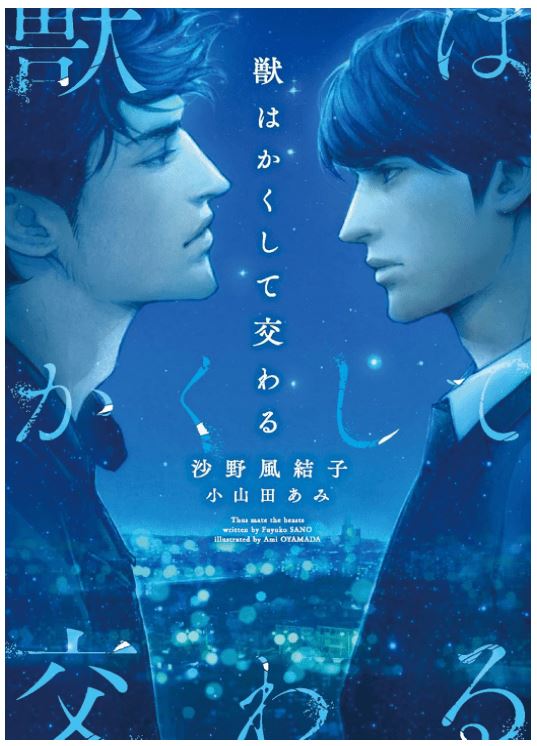
The dialogue in this book is SO distinct. Every character has a voice that jumps off the page, and it's not just about what they say — it's about HOW they avoid saying things.
Kagura and Zero's conversations are this beautiful dance of almost-statements. Zero: "If you're serious about asking, then say it out loud." And Kagura DOES say it — but he frames it as a plan, not a plea. "Whether I succeed or fail, the police will try to bury what happened." He's asking for help without asking for help. Zero hears him anyway and responds: "Not exactly what I'd expect from you — you're a reckless guy."
That line does triple duty: it's playful, it's admiring, and it's acknowledgment that he understands what Kagura is really asking. These two have this shorthand language where the subtext IS the text.
Then there's Sanae, who breaks the pattern entirely. "Calling someone weird nicknames at work is harassment now, you know." Direct, slightly pedantic, completely earnest. He says what he means. That's why his dialogue works so well against the others — he's the only one not hiding behind implications.
The narrator's voice is equally distinctive. Look at this internal monologue: "—What's the point of being a detective if I can't do anything?" Those em-dashes frame his thoughts as urgent, fragmented, almost shouted internally. It's not polished reasoning; it's raw emotion breaking through.
And the humor! "I don't need an otter's help" — wait, what? An OTTER? That random insult comes out of nowhere and it's perfect. It's the kind of thing someone says when they're nervous and deflecting with nonsense. That's Kagura in a nutshell.
The author also knows when to let silence speak. After the kiss, both "turned slightly, as though embarrassed." No dialogue needed. The action tells the whole story.