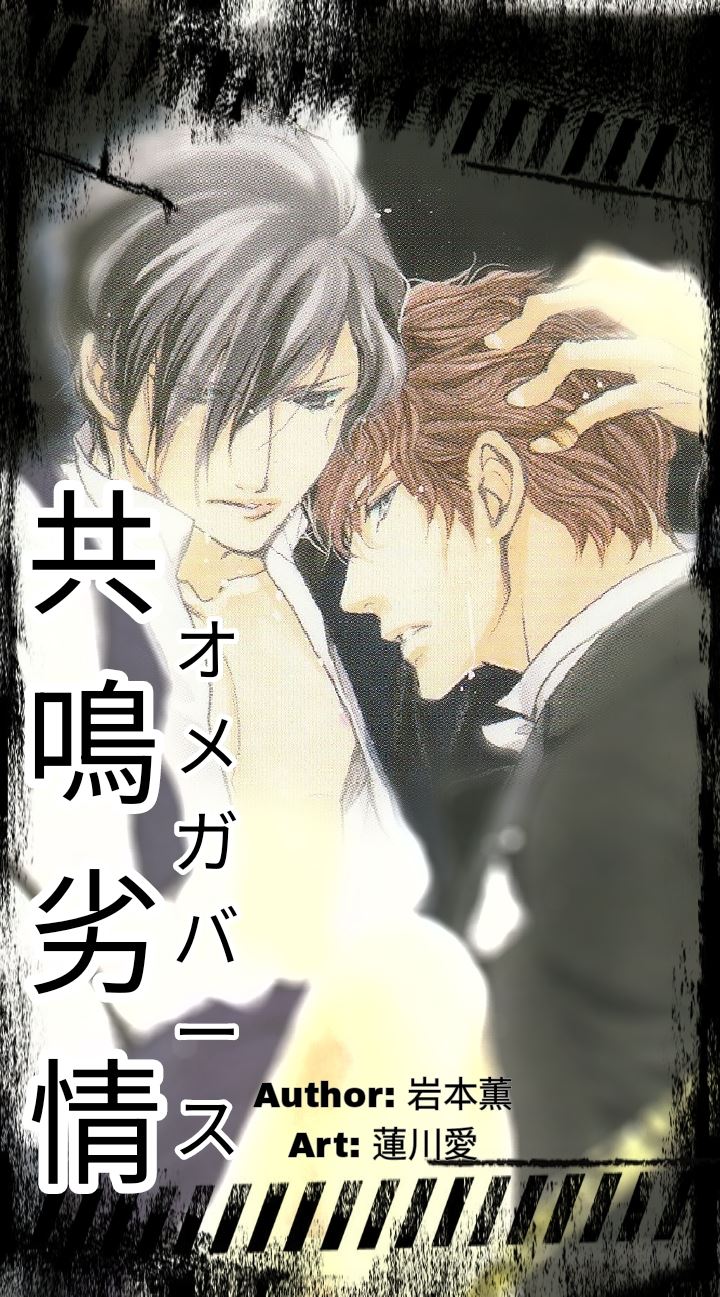
Beneath the visceral drama, this passage is densely layered with symbols that dissect power, consent, and the mythology of biological fate. Let's start with the emergency contraceptive pill. It's not just a plot device; it's a talisman of autonomy. In a universe where resonance heat promises irresistible union, the pill is Amane's last stand for rational choice. It's clinical, precise, and defiant—a small white barrier against the idea that his body is anyone else's territory. Then there's the knot. In omegaverse tropes, the knot often symbolizes inescapable binding, a physiological lock that implies permanent connection. Here, it's weaponized. Kouki's knot isn't romantic; it's a cage. When it shrinks back and he pulls out, the symbolism reverses—the‘bond' is physically undone, leaving only consequence and shame. The most haunting symbol is the window. It's mentioned once, almost casually, but it carries the weight of exposure. Any of the hundred guests could have seen through it. The window represents the fragility of secrets, the terror of being seen in a moment of ultimate vulnerability, and the intrusion of societal judgment into private collapse. It also mirrors the narrative itself: we, the readers, are the invisible witnesses, peeking through a metaphorical window into something raw and unfiltered. Together, these symbols chart a journey from control (the pill) to enforced unity (the knot) to exposed consequence (the window). The theme isn't just ‘bad things happen during heat'; it's about how systemic power imbalances—alpha supremacy, biological determinism, societal expectation—can override consent even when both parties claim to want something different. The story asks whether free will survives when your hormones rewrite your morality. It doesn't give an easy answer, and that's what makes it linger.