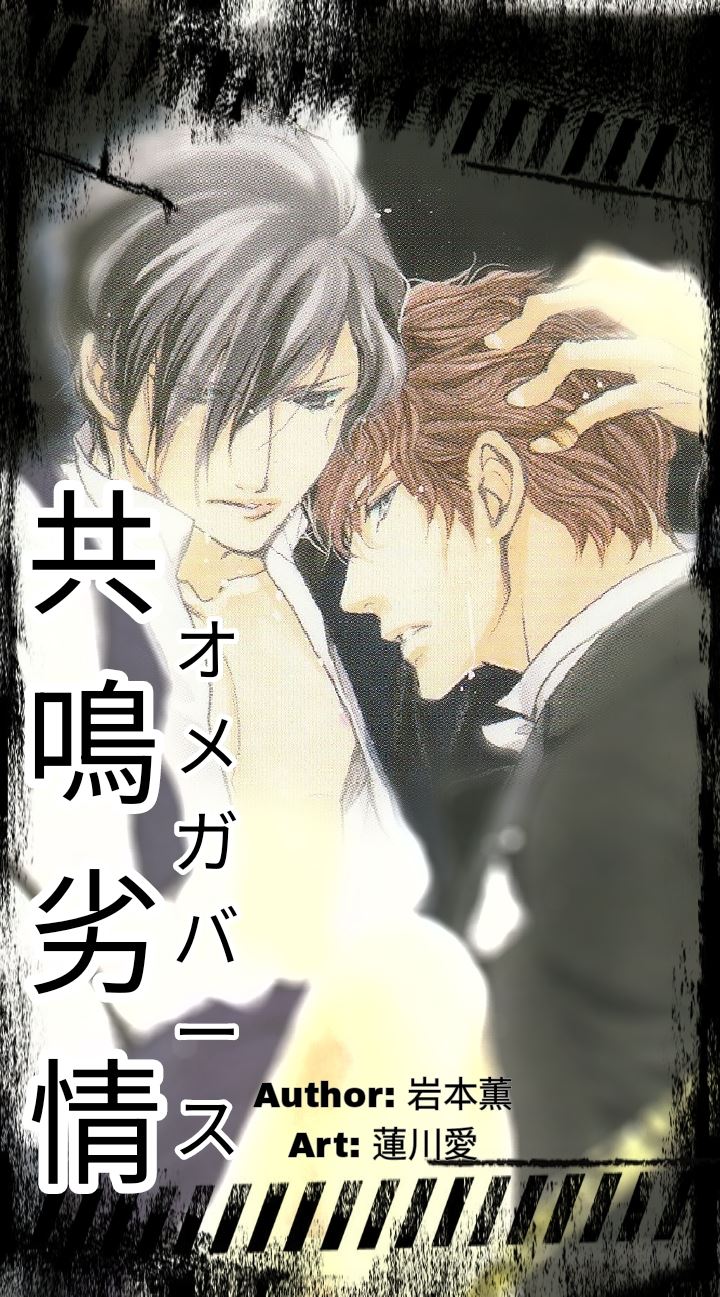
Alright, let's talk structure because this chapter does something really smart that I want to unpack. You've got the present-day scene—Kouki and Amane getting praised by Onizuka, the arrest rate discussion, Amane storming off—and then you have this massive backstory dump about their first meeting, the rooftop incident, the first case together, the discovery of Amane's secret, and the resonance heat. All of that comes packaged inside Kouki's head as he's watching Amane's back. That's actually a really efficient way to handle exposition.
The pacing works because it mirrors how Kouki actually thinks. He's standing there, watching his partner leave, and his mind starts wandering back through their entire history together. It's not an info-dump imposed by the author—it's a character doing what characters do when they're bored and contemplative. The transition from the desk scene into the rooftop memory feels natural, almost dreamlike. One minute Amane is storming away making the chair creak, the next we're two months ago and he's blowing smoke in Kouki's face.
What I found really effective was how the chapter builds tension through contrast. The beginning is relatively calm—just two partners getting praised by their boss. Then Amane's hostility ramps up. Then the flashback hits, and we learn that this hostility has been there since day one, but it's layered with something else—Amane's secret, Kouki's growing feelings, the biological pull of resonance. By the time the chapter ends with 'Coul' (which seems cut off), the emotional stakes feel incredibly high after what felt like a fairly routine procedural scene.
The chapter title 'The Beast Tamer' also does a lot of work structurally—it reframes everything we just read. Every interaction between these two suddenly feels like part of a larger narrative about control and surrender, which raises the stakes for whatever comes next.