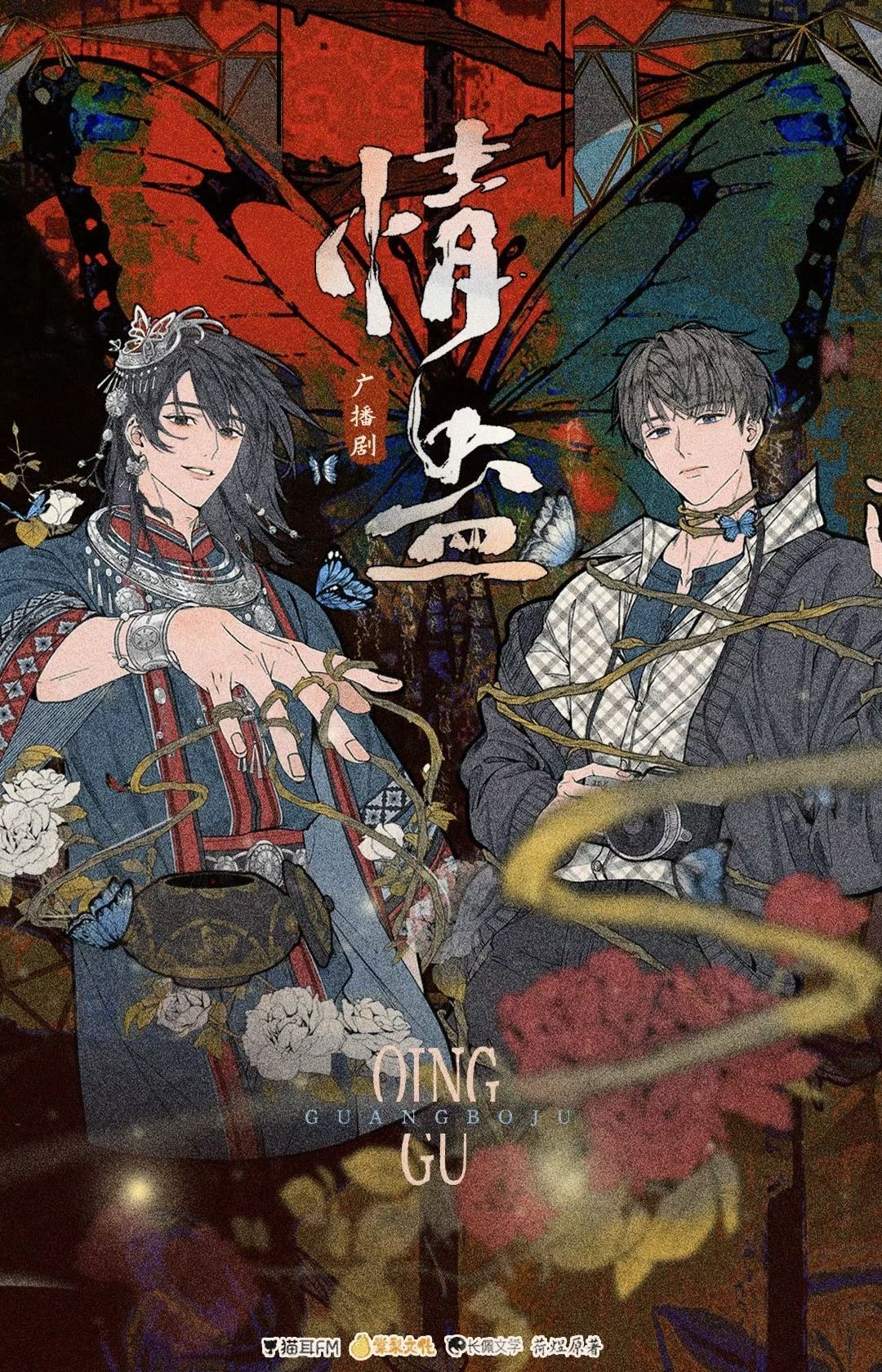
There's this one image that has been stuck in my head since I first read it, and I can't get it out.
Li Yuze is walking through downtown Yancheng at night. The city lights are coming on, neon signs hanging layer upon layer, and somehow they remind him of the layered distant mountains in the Miao village where he disappeared. The smell of fried food makes his stomach rumble. Live streamers and street vendors everywhere, young people walking hand in hand. It's alive, it's bustling, it's supposed to be vibrant — and he feels completely outside of it.
"Perhaps some people are destined to live surrounded by crowds from the start, while others are meant to recede into silence."
This line is everything. It's not just describing his loneliness; it's declaring that he belongs to a different category of human now. The mountains changed him. The five months he spent there — in that dark, impossible space between life and death — separated him from everyone else in a way that can't be undone. The city is the same city. The neon lights are the same lights. But he sees them differently now because he carries the mountains inside him.
And then there's his apartment. He bought it last year, a small two-bedroom downtown, calling it a "home" even though he admits it holds no actual meaning for him. His parents paid for it generously, never stingy, but it's just a place. A container. Not a home. The fact that he moved in right before all this happened — right before the mountains, right before Qiu Lu became a shell of herself — adds this extra layer of irony. He thought he was building a future and then the future just... collapsed.
The sachet on the sofa is the final image. A small, plain object in a trash can. He threw it away deliberately — a symbol of the dark past, a connection to Shen Jianqing that he wanted to sever. But then he picks it back up. The contrast between his conscious decision (throw it away, move on) and his actual behavior (pick it up, keep it) is captured in this single, almost invisible detail. The entire emotional arc of this chapter — loss, denial, attachment, contradiction — compressed into a gesture toward a trash can.