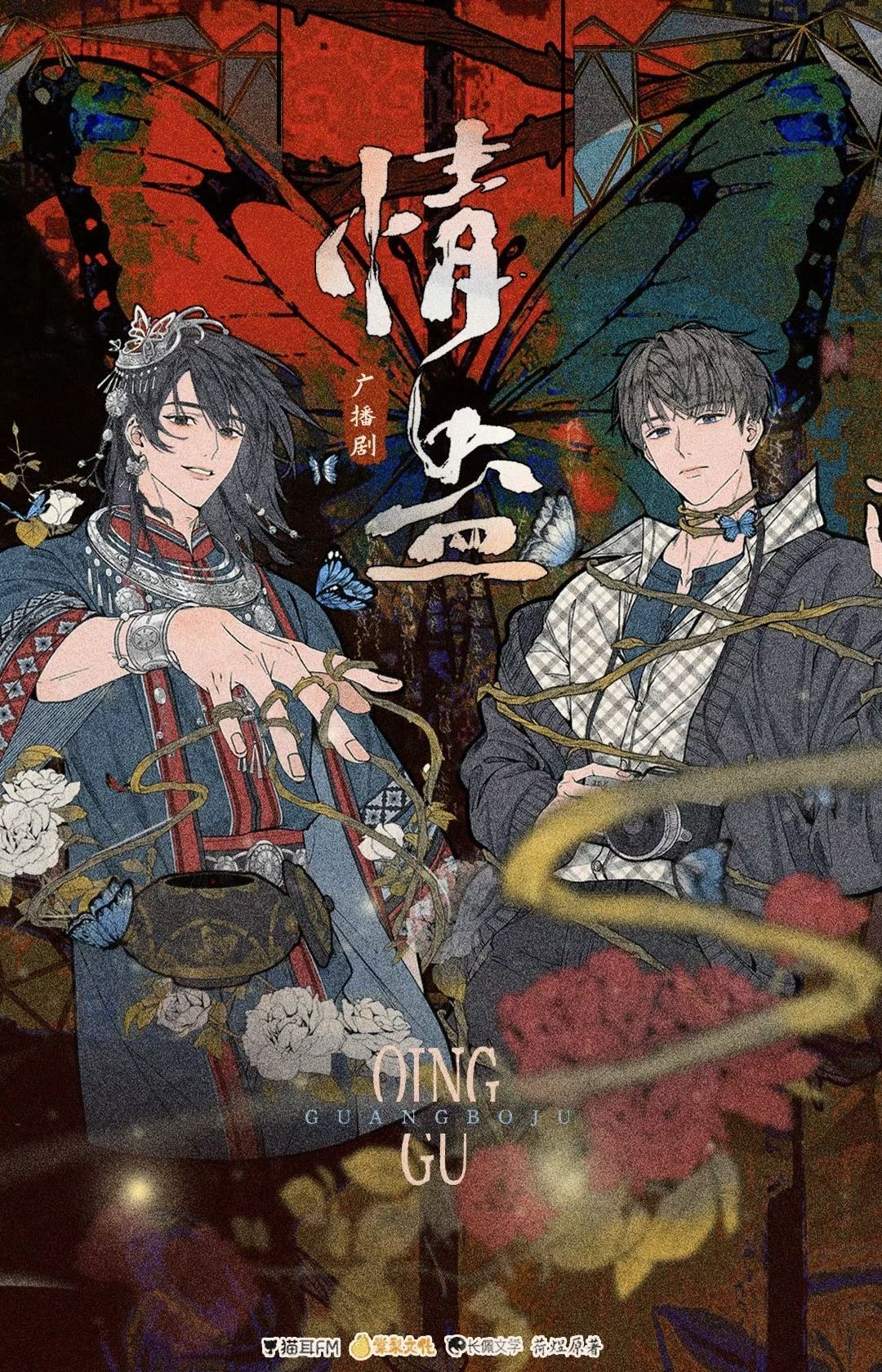
This section is a masterclass in dramatic irony and narrative entrapment, and I need to talk about it because the author basically locked the reader in the room with Li Yuze.
Let me start with the biggest twist here: the photo. I had genuinely warmed to the idea that some of this was coincidence, maybe even fate. But when Shen Jianqing lays it out — "it was you who lured me closer again and again" — it flips everything. Every moment Li Yuze thought was his own choice, his own agency, was actually part of Shen Jianqing's design. That's not just a plot twist; that's an existential gut punch. The line "Was this fate? The result of his careful manipulation and design, and he called it fate" hits like a physical blow. I actually had to pause and sit with that.
And then the story refuses to let us breathe. Shen Jianqing leaves. The lock clicks. We think, okay, alone time, maybe he'll break, maybe there's hope. Then the next morning brings NEW bars on the window. The protagonist had literally joked about prison bars before, and now they're installed. "For my sake" — what a casually cruel detail. The author doesn't just raise the stakes; he welds the door shut.
The man who brings food is arguably worse than Shen Jianqing. He's silent, efficient, and when Li Yuze tries to escape, he just grabs him by the neck and slams him back like he's an animal. "Dong nu!" — a word we don't understand, a language barrier that becomes another wall. The realization at the end, "The people here didn't understand me, and even if they did, they might not be willing to help either," is the plot's final verdict: total isolation. No deus ex machina coming. This isn't a story that plays fair.