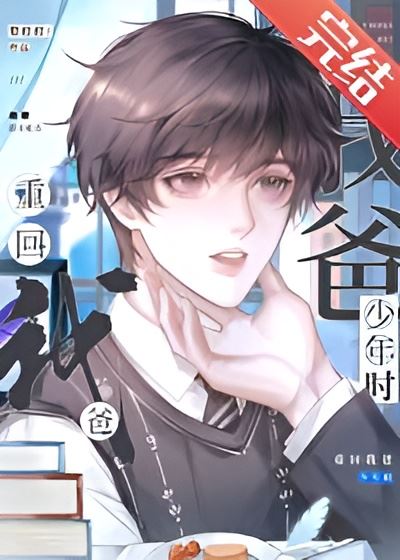
This chapter sequence is a masterclass in pacing control. It opens at maximum intensity—Lin Wangye's world is turned upside down—and then, instead of staying locked in that elevated state, the author deliberately shifts gears. The shopping spree acts as an exhale, a pressure valve. We get to see normal behavior, casual gestures, the absurdity of Wangye carrying bags like a walking Christmas tree. It's comedic relief, but it's also strategic: if the author had kept the tension at this level, it would've flattened out.
Then comes the streetlamp scene, and the pacing slows again. Wangye is staring, thinking, connecting dots. The narrative time expands—we're inside his head, watching him work through impossibilities. This is the slow burn after the explosion. And then, just as we think things might resolve, the taxi ride introduces another layer: physical closeness, whispered dialogue, the tickle on the cheek. The structure moves from external revelation to internal processing to ambiguous intimacy, and each phase occupies exactly the right amount of space.
What's impressive is that the author trusts the reader. We don't need every question answered. We don't need Lin Shen to sit Wangye down and explain everything. The pacing allows mystery to breathe. The chapter ends on a question mark—literally, with that interrupted whisper—because sometimes the most powerful structure is the one that knows when to stop talking.
There's no dragging, no rushed exposition. Each scene serves a purpose: the revelation, the processing, the shopping as normalcy, the observation as mystery-deepening, the taxi as intimate ambiguity. The structure itself is the argument the author is making about this story: not everything needs to be explained for everything to matter.