Winner Takes All - Reviews

Winner Takes All
+Add to Custom List
Sort
Add review
... Read More
I need to talk about Luo Yi because WOW. This character just went from background presence to EVERYTHING in like three paragraphs. First impression: he walks in with that cold, sharp energy, and everyone freezes. But then he says 'You said you'd be back in three days' — and suddenly you realize this guy tracked Li Shuo down, probably still injured from whatever wound he has, and came all the way here just to check on him. The fact that his first concern isn't jealousy or anger but making sure Li Shuo is okay? Chef's kiss. And then Wen Xiaohui — this dude loses his absolute MIND defending Li Shuo. 'I will fuck your ancestors until the eighteenth generation!' bro was NOT playing. But what I love is the contrast between these three. Li Shuo, who gives everything and gets nothing back. Luo Yi, who shows up messy and wounded but somehow still the most stable person in the room. And Wen Xiaohui, who's chaos incarnate but would literally fight the world for the people he loves. The line that got me was when Li Shuo watches them and thinks 'the two people I once thought should not be together can make him feel envious.' That one line tells you everything about where Li Shuo's head is at — he's not just heartbroken, he's watching love happen around him while he's the one being left behind.
... Read More
Okay so I need to address the elevator scene because I laughed out loud AND cried at the same time. These random cleaning aunties are standing in an elevator and their gossip is literally the most accurate character analysis of Li Shuo in the entire book. One says he's mentally abnormal. Another counters that he's handsome, articulate, and rich — implying these qualities shouldn't coexist with madness. Then the third one diagnoses it perfectly: heartbreak. She saw the decorations, the paint splashing, the whole setup, and goes 'he must be heartbroken in love. It's such a mess.' She's basically summarizing the emotional arc of the entire novel in one sentence while holding a mop. Meanwhile Zhao Jinxin is standing right there, frozen, gripping his luggage handle, and we get his internal reaction — his breathing trembles, his voice shakes when he asks who booked the room. The dialogue here works on three levels: the aunties provide dark comedic relief, Zhao Jinxin's physical reactions carry all the emotion words can't, and then you cut to Wen Xiaohui at Li Shuo's door where his dialogue is completely different — softer, more measured, more grounded. 'If you really treat me as a friend, no need to force yourself in front of me, okay.' That line landed differently than anything else in this chapter. Every character speaks differently, and I never once doubted who was talking.
... Read More
Zhao Jinxin is the most terrifying predator I've ever read. Not because he's cruel, but because he's so genuinely, disarmingly charming that you forget you're being hunted until the trap snaps shut. Right from the moment he spots Li Shuo digging for his headset—watching his body stretch, his posture perfect, his obliviousness absolute—Zhao Jinxin's gaze is that of a man who's already written the entire story in his head. He doesn't ask permission; he takes. He swaps seats with a wink, charms a middle-aged woman into surrendering her seat without a second thought, and lands next to Li Shuo as if it were always meant to be. And Li Shuo—oh, Li Shuo. He's sensible, composed, clearly deeply in love with his boyfriend Chengxiu (those little text exchanges at the start were so tender it hurt), yet he doesn't shrug Zhao Jinxin off. He lets the conversation roll. He laughs. He toasts. He answers questions about his boyfriend without flinching, but there's a flicker in his eyes when Zhao Jinxin looks at him—a recognition, maybe, of how dangerously attractive this younger man is. The dynamics here are exquisite. Zhao Jinxin wants the challenge, the mystery, the older man who seems untouchable. Li Shuo is torn between loyalty and the thrill of being pursued by someone who sees him so completely. I'm already worried for both of them.
... Read More
The stakes in this story are layered like an onion and I absolutely love it. On the surface: Shao Qun vs. Li Shuo. Legal trouble, evidence gathering, travel restrictions. Classic power struggle. But the real conflict isn't between two men — it's between Li Shuo's duty and his heart. He's stuck overseas while the person he's trying to protect (Li Chengxiu) is back in China, vulnerable and headstrong. The half-world separation isn't just geography — it's emotional torture rendered in distance. "As long as he didn't go back, separated by half the globe, he wouldn't be able to protect Li Chengxiu." This sentence alone carries the weight of the entire conflict. It's not about honor or money or revenge — it's about protection. Love expressed through responsibility. Then Zhao Jinxin enters the picture and raises the stakes even higher. He offers to HELP — to use his connections, his resources, his family's influence. But accepting means accepting Zhao Jinxin. And Zhao Jinxin's price is simple: one date. One meal. One dinner. The triangle of conflicts — legal, romantic, protective — all happening simultaneously on what should be a relaxing vacation. The author knows exactly how to keep the pressure mounting without ever showing it directly. Li Shuo's dark circles say more than any dramatic monologue could.
... Read More
Okay so I need to talk about this moment where Zhao Jinxin shows up at Li Shuo's door and the whole scene just... unfolds like a tragedy you can't look away from. The structure here is absolutely masterful. Think about it—the chapter starts with Li Shuo isolated, in darkness, barely functioning. Then the doorbell rings. And who is it? Not the caretaker, not anyone safe. It's the person who broke him. What hits me hardest is how the author withholds Zhao Jinxin's entrance for so long. We get all this internal devastation first—Li Shuo cutting himself shaving, the cold shower, the mirror scene where he can barely recognize himself. The pacing is deliberate, suffocating. You feel every hour of those few days of silence. And then—boom—door opens, and it's him. The tension in that doorway exchange is insane. Zhao Jinxin says he's sorry. Li Shuo says he doesn't accept it. Zhao Jinxin says he didn't intend to hurt him. And Li Shuo just... keeps reopening the wound. "After all, you haven't played enough yet." Every line is a knife. The plot doesn't resolve anything here—it intentionally doesn't. Zhao Jinxin doesn't get the key back, doesn't get forgiveness, doesn't even get a clean goodbye. He just stands there, holding information Li Shuo doesn't want. This is classic Shui Qian Cheng design too, if you know the author's work. The ML always has to be driven into a corner, forced to chase. This chapter is the setup for that entire descent. I swear the translator even teased it in the notes. And honestly? I'm already dreading and anticipating it simultaneously. The narrative arc here moves from numbness to rage to something almost desperate on Li Shuo's part. He's not crying—he's shaking. He's not begging—he's blocking the door. But that door won't stay closed. Zhao Jinxin's hand against it, refusing to leave... it's symbolic on a structural level. This relationship isn't over. The plot won't let it be. I literally cannot stop thinking about that final line, cut off mid-sentence: "everything will follow your mind, isn't this..." The chapter just abandons him there. What an absolute monster move by the author.
... Read More
Okay, so I just finished these chapters and my brain is still spinning about Li Shuo's character arc. This man is fascinating — he's literally sitting in his garden watching koi fish, mentally unpacking his entire life philosophy, and somehow it all ties back to Buddhism. His family's practice has clearly shaped him deeply. The way he talks about letting go of past, present, and future isn't some detached spiritual flex — it's genuine survival strategy after everything went wrong. And what I love most is how this shapes his relationship with Zhao Jinxin. Remember when Guang Shu was gossipping about them being a match? Li Shuo internally agrees but doesn't say it out loud. He thinks about how Zhao Jinxin appeared for a reason, how they felt like they were in love at some point, and then just... lets it be. The line about Zhao Jinxin being able to come and go as he pleases, while Li Shuo has a way to advance or retreat — that's not coldness, that's someone who's been burned and is trying to protect himself while still leaving the door cracked open. But then he calls Xiang Ning and sells his entire career over the phone. That's the Li Shuo I can't stop thinking about — the man who built something from nothing, started with two thousand dollars, ate instant noodles by the box, climbed step by step to partner... and gives it up in one conversation. Not because he's weak, but because he actually took responsibility. He didn't blame Shao Qun. He said it was his own conscience-stricken act that caused this. That kind of accountability is rare as hell in these kinds of stories. The hospital scene with Zhao Jinxin playing Go with Mr. Li is such a perfect character moment. Here's this man who just lost his career, and the very first thing he sees when he walks into the ward is the person he's emotionally tangled with, making his father laugh. Life doesn't wait for your breakdowns, does it?
... Read More
God, the explosion on Seventh Avenue—what a brutal way to rip away all the comfortable lies this story has been telling us. Li Shuo's father nearly dies from a heart attack triggered by shock, and suddenly every carefully laid plan, every decade of distance, every ‘I'm fine living across the Pacific' cracks open. This is the plot mechanic I live for: not the bomb itself, but the aftermath. The author doesn't give us a glamorous rescue scene. Zhao Jinxin shows up bruised, limping, probably with internal injuries, and he's still the one holding Li Shuo's hand in the waiting room. That's not a side character stepping up. That's the entire power dynamic of this relationship tilting on its axis. Earlier chapters planted this perfectly—the car bomb wasn't random, it was targeted at Zhao Rongtian, Li Shuo's father's employer. So the family gets dragged into political violence through a proxy. But the real twist isn't the terrorism. It's that Li Shuo finally stops running from his own life. When he asks Zhao Jinxin whether his parents miss him, we get a moment of devastating vulnerability that the plot had been circling around for months. The author here is saying: you can build a successful career, you can become untouchable, but when your father flatlines, all of that is noise. What saves you is who's holding your hand. And that's exactly who Zhao Jinxin is becoming. The chapter ends with Li Shuo's quiet acceptance—no grand declarations, just ‘okay' to a joke that wasn't a joke. That's the narrative thread I want to follow. The plot isn't about surviving the explosion. It's about surviving the truth.
... Read More
There's this persistent imagery of cold throughout these chapters that I can't stop thinking about. Zhao Jinxin standing outside in the night air saying he's cold. The temperature has "cooled a bit" even though it's summer. Li Shuo having to grab a shawl before going out. It's not just atmosphere — it's psychological. Both of these characters are emotionally frozen in different ways. Zhao Jinxin's coldness comes from isolation, from having to hide his true feelings for so long. His literal cold mirrors his emotional state — exposed, shivering, desperately seeking warmth. Meanwhile Li Shuo's coldness is more calculated, a shield he's built through discipline and restraint. But when he steps outside into that night air, the shield doesn't work anymore. The door itself is such a significant threshold — Li Shuo opening it, crossing from the safety of his home into the cold, then later leading Zhao Jinxin inside. It's about vulnerability, about letting someone past your defenses. The fact that he does it "secretly" because his parents might see adds another layer — their connection exists in the shadows, acknowledged but never spoken aloud. And I have to mention the forehead touch — that recurring gesture of Li Shuo touching his own forehead in distress, and then Zhao Jinxin pressing kisses to his forehead, eyes, nose. It's almost a ritual, a way of claiming and being claimed without words. The body knows what the characters aren't ready to say yet.
... Read More
"You are not misunderstanding anything. I am very interested in you." Let's just stop right there. That line is a masterclass in dialogue. It's direct, confident, and utterly devoid of apology. Zhao Jinxin doesn't hedge or soften his interest; he states it like a fact. And his voice—oh, his voice—is distinct. He's witty, playful, slightly teasing, but always with an undercurrent of seriousness. Compare that to Li Shuo's measured, polite responses: “I am flattered. But I already have a boyfriend.” Li Shuo's dialogue reveals his restraint, his loyalty, his careful navigation of a situation that makes him uneasy. The banter between them feels natural, never forced. Even the mundane conversation about gold prices and the Nasdaq has a rhythm that keeps you listening. The translator's job is huge here, and they've nailed the tone—sensual, observant, subtly humorous. I keep quoting Zhao Jinxin's lines to myself because they're so deliciously delivered. “I don't like to turn around and waste each other's time.” Chilling. Magnetic. Perfect.
... Read More
Okay so the pacing in these chapters is genuinely impressive and I need to unpack why. Chapter 217 opens with pure conflict—Zhao Jinxin confronting Li Shuo, the tension escalating, the threat about Han Feiye hanging in the air like a loaded gun. It's fast, it's aggressive, it doesn't let you breathe. And then Zhao Jinxin leaves, and suddenly the pace drops to almost nothing. Li Shuo standing rigidly, waiting for the door to close, then collapsing onto the bed. That transition from high tension to utter exhaustion is chef's kiss. Then we get the text message from Wen Xiaohui, and instead of meeting immediately, Li Shuo reschedules. He rests for two days. The cold returns. Han Feiye hasn't contacted him. The author deliberately slows everything down here, making us sit with Li Shuo's discomfort and guilt. It's uncomfortable pacing on purpose—we feel his stagnation. And then the restaurant scene hits like a release valve. Fast, bright, warm, full of dialogue and movement. Xiaohui jumping outside the window, running inside, the gift exchange, the joking about past rejections. The structural contrast between the oppressive earlier scenes and this lighter finale is intentional and effective. The chapter ends on Xiaohui thanking Li Shuo, which circles back to the theme of gratitude and support that runs underneath all the conflict. It doesn't resolve anything but it gives you exactly the emotional breath you needed.
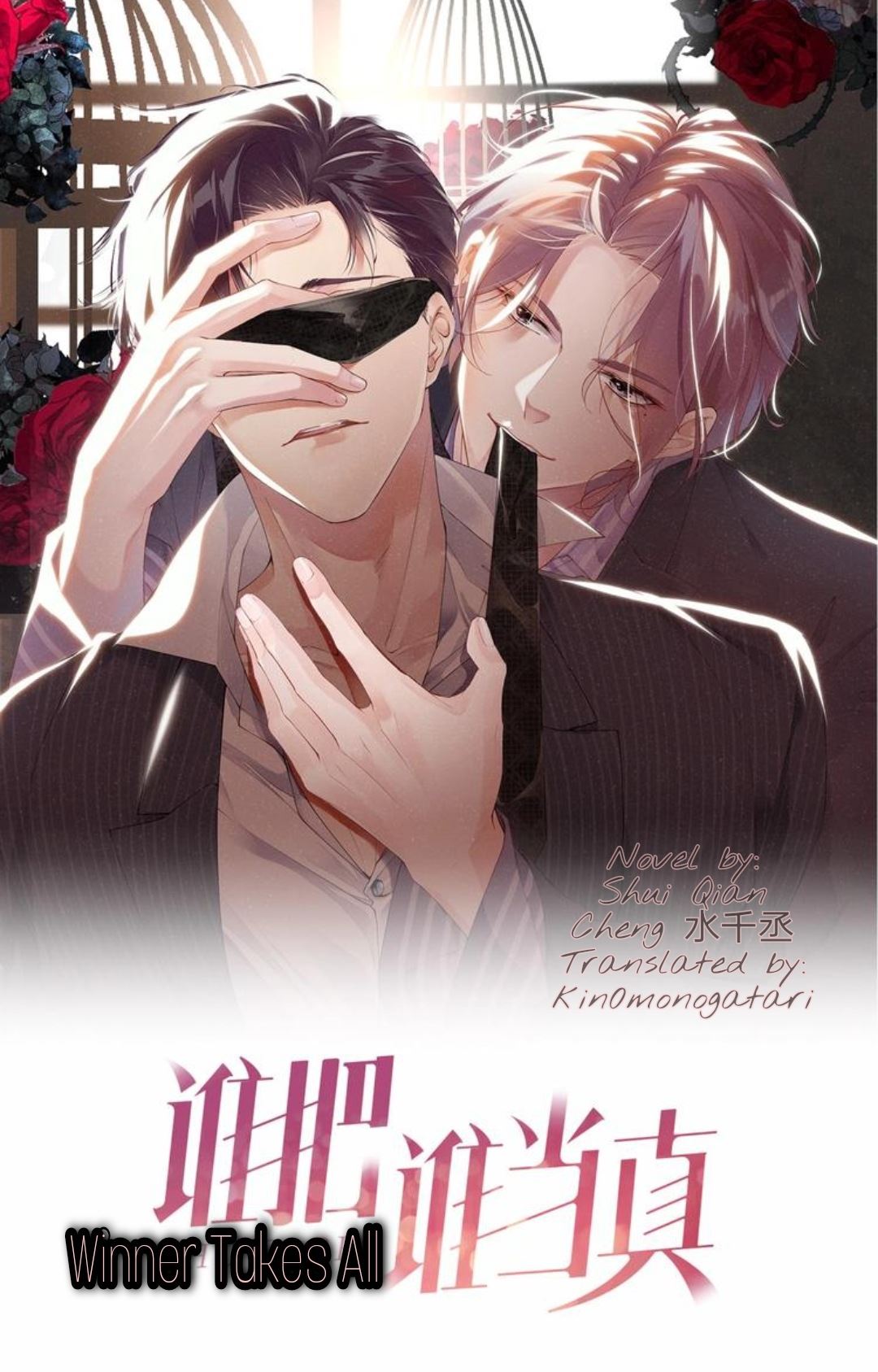
... Read More
Okay so let's talk about how the author constructed this chapter because I spent way too long analyzing the flow and honestly it's brilliant. The chapter opens in media res—which is always a smart move when you've got a hangover scene to work with. We don't get the drinking scene, we don't get the actual intimacy, we just get the aftermath. That's efficient storytelling right there. The author trusts us to fill in the blanks, and that trust makes the reading experience so much more engaging because our brains are actively participating instead of just passively consuming. Then the structure does this thing where it bounces between two registers—comedy and tension—almost like a tennis match. Zhao Jinxin is being ridiculous and flirty, Li Shuo is being grumpy and resistant, and it's almost funny. Breakfast scene. Rose petal scene. And then suddenly—bam—the tonal shift. The pacing drops. The prose gets quieter. Zhao Jinxin stops joking and actually delivers the confession. That contrast is what makes it land so hard. If the author had kept the humorous banter going for another two pages before the confession, it would've deflated the moment completely. But by giving us just enough comedy to make us feel comfortable, then pulling the rug out, the emotional whiplash works perfectly. The chapter ends on this incredible note of suspended tension—Zhao Jinxin's jealousy coming to the surface, listing Li Shuo's past partners, and Li Shuo essentially frozen. It's a perfect cliffhanger that doesn't feel cheap because it's earned through the entire chapter's build-up. One small note: the transition from the bedroom to the living room with Li Shuo being carried feels slightly abrupt, but I forgave it because the visual of rose petals everywhere is so striking that I was too distracted to care. The author knows when to push forward and when to linger, and that instinct is clearly strong here.
... Read More
'He just took a sip of the alcohol and suddenly heard that the glass of the window next to him was knocked twice. He was startled, and turned his head, a smiling face appeared in his sight.' STOP. This moment. This entire scene. I can literally SEE it like a movie. The dim restaurant, Li Shuo sitting alone nursing a rum because his mouth tastes bitter from irritation, and then—BAM—a beautiful boy with porcelain-white skin and a small fringe tapping on the glass like some mischievous spirit. The description of Wen Xiaohui is so vivid: delicately decorated light makeup, fashionable clothes, flashy from head to toe, careful carved and refined, a hint of femininity with stubbornness between his eyebrows, and a smile that's absolutely dazzling. And Li Shuo's reaction? He couldn't help but laugh. After everything—the confrontation with Zhao Jinxin, the silence from Han Feiye, the recurring cold symptoms—this one knock on the window literally shifts his entire mood. The author uses setting so well here: the quiet restaurant with few people mirrors Li Shuo's isolation, then Xiaohui's entrance shatters that loneliness physically and emotionally. The contrast between the claustrophobic bedroom confrontation with Zhao Jinxin and this open, sunlit moment at the restaurant window is masterful storytelling through environment. The warm lighting, the familiar place they've visited many times before, the casual ordering of drinks—it all creates a sanctuary that the rest of the story doesn't offer him.

Leave a comment

You must be logged in to leave comments. or
