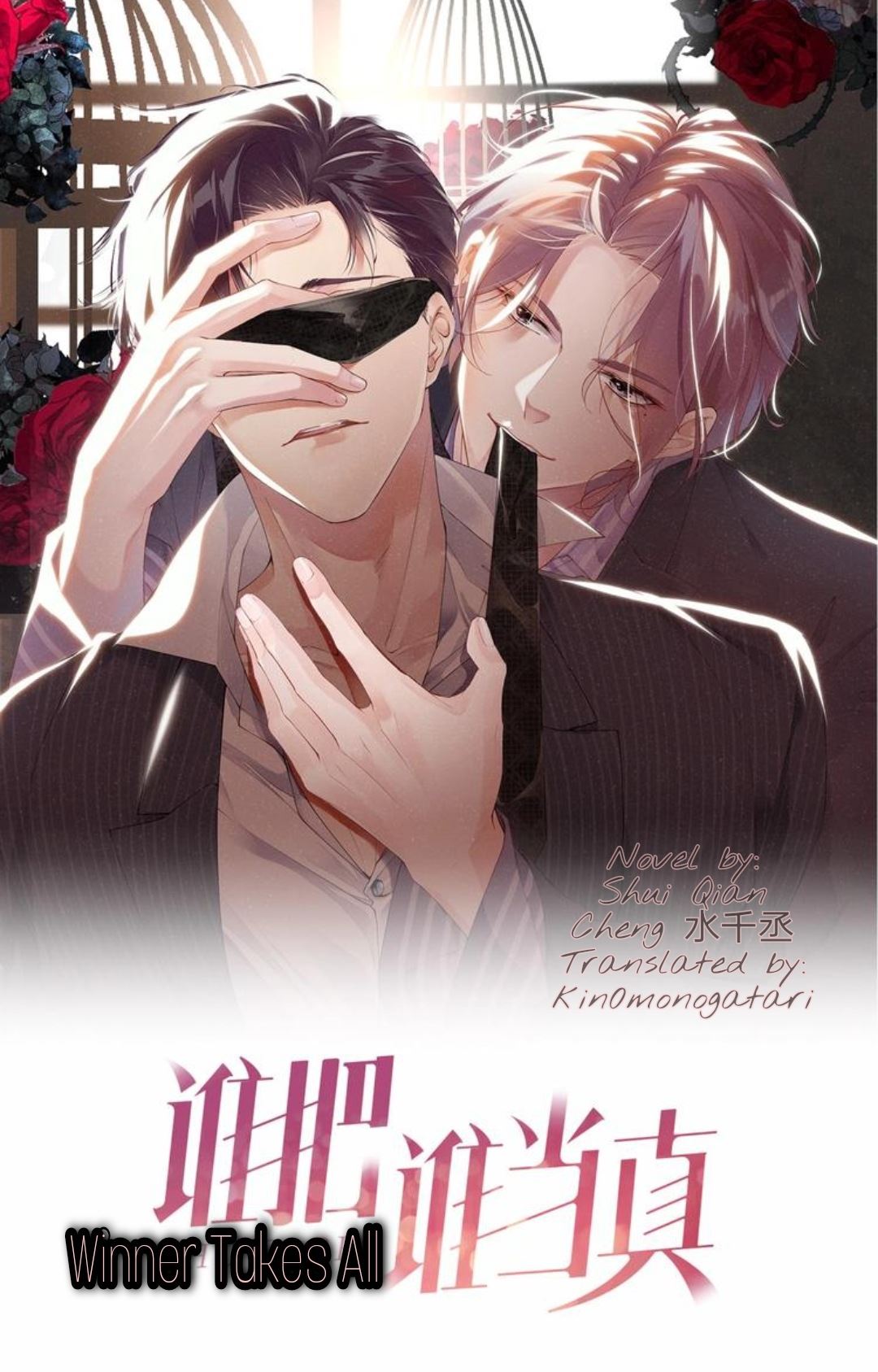
Beneath the banter lies a dense web of thematic concern: the performance of identity, the conflict between desire and social expectation, and the commodification of intimacy. Li Shuo's meticulous date plan—art exhibition, classical music club, English afternoon tea, designer furniture—is a blueprint for ‘acceptable' romance. It's cultural, refined, safe. Zhao Jinxin rejects that framework entirely, reducing romance to ‘an unforgettable sexual experience.' He's not dismissing emotion; he's prioritizing raw honesty over social script. The goose leg itself is a symbol: lavish, indulgent, messy. Li Shuo hesitates to eat it directly from Zhao Jinxin's fork, asserting autonomy ('I can do it myself'). It's a small rebellion against being fed, against being cared for on someone else's terms. Then there's the mention of Li Chengxiu—a ghost in the room, representing past relationships, unresolved ties, the life Li Shuo supposedly left behind. The bar, empty and transitional, becomes a crucible where these themes collide. Zhao Jinxin's probing questions about kinks and positions aren't just sexual; they're an excavation of repression. He names Li Shuo's ‘wild thoughts inside' that are ‘restrained by tradition, culture, and identity.' In that moment, the personal becomes political. The story seems to ask: what do we sacrifice to fit in? What do we gain by being brutally honest? And can a ‘perfect' date ever satisfy when the real hunger is for acknowledgment, not just adventure?