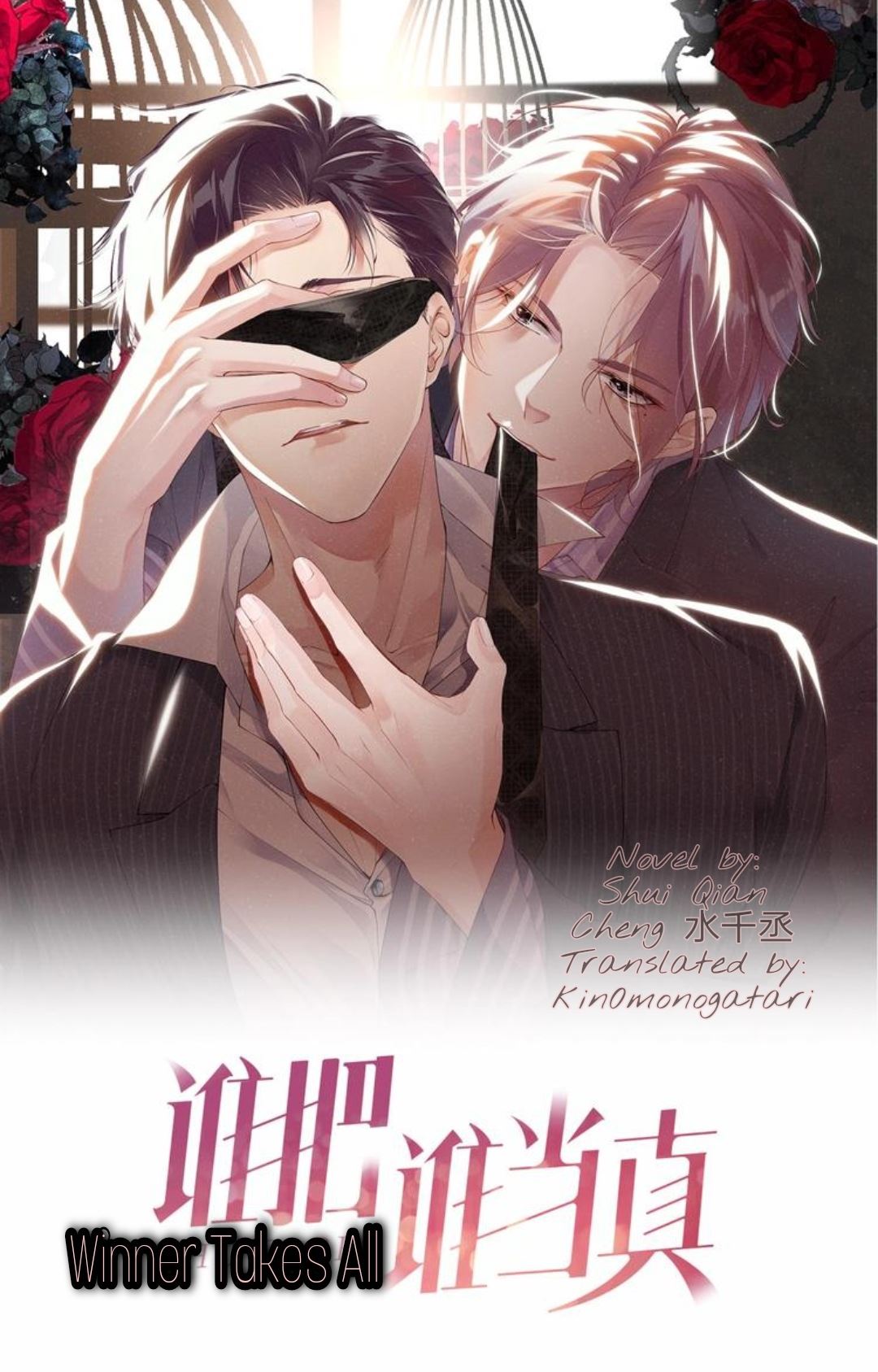
Let's talk about that thermometer scene for a second. Zhao Jinxin pulling it out of Li Shuo's mouth, checking the reading, commenting on the temperature drop — it's such a clinical, almost medical moment, right? But it's also deeply intimate. Who gets to put a thermometer in your mouth and watch you breathe? Who gets to measure the heat of your body while you're too weak to protest?
The thermometer becomes a symbol of control and care colliding. Zhao Jinxin is measuring something — not just fever, but vulnerability, proximity, opportunity. Every degree on that glass rod represents a boundary crossed, a line tolerated. Li Shuo allows it. That's the real measurement here.
And then there's the repeated imagery of teeth and mouths. Zhao Jinxin “pecking his exhaled lips,” Li Shuo “chewing” on Zhao Jinxin's words in his head, the “wicked smile” at the end, Zhao Jinxin describing himself as a “wolf” with “dangerous and greedy” eyes. The mouth is both tender and predatory throughout this chapter. It kisses and it bites. It feeds water and it wants to devour.
The “white tank top revealing his shoulders, neck, and collarbones” is another symbol worth examining. Li Shuo, usually covered head to toe in professional attire, suddenly exposed. Not sexually — or at least, not intentionally — but the exposure is there nonetheless. His body, usually armored, is laid bare. Zhao Jinxin's reaction (“made him get erected just by looking”) acknowledges this exposure, but he doesn't exploit it. He kisses Li Shuo's cheek instead of going lower. The restraint IS the theme.
“I felt bad when you have a fever.” Zhao Jinxin says this so casually, but it's loaded. His discomfort isn't about sympathy — it's about powerlessness. He can'T fix Li Shuo's pain. He can only witness it. For a man who usually solves problems with dominance, this helplessness is its own kind of torture.
The recurring motif of “carrying” is also significant. Zhao Jinxin carries Li Shuo from the office chair to the sofa, then later carries him home. Earlier, he carried Li Shuo's father during the bombing. Each instance of carrying represents a different kind of burden — physical, emotional, historical. The question the chapter keeps asking is: who carries whom, and at what cost?