This passage is absolutely dripping with symbolism, and I think most readers will gloss over it because the prose is so lively and immersive. But if you slow down and pay attention, the cultural elements here aren't just set dressing—they're doing thematic heavy lifting.
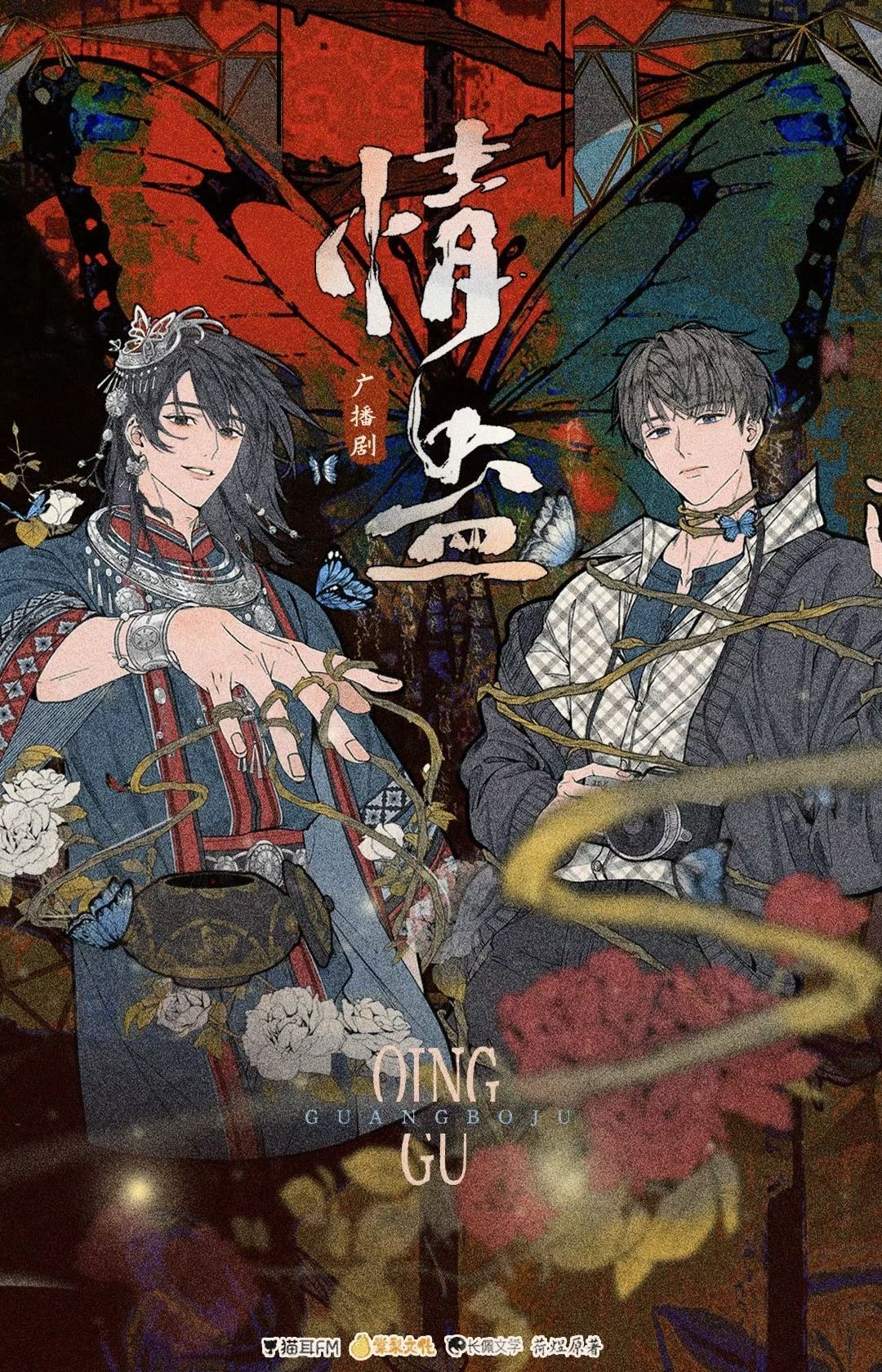
The Miao King's robe is the first thing that catches you. Over one hundred thousand yuan worth of embroidery—flowers, birds, butterflies, phoenixes, maple trees, and unfamiliar totems. This is a man whose authority is literally woven into his clothing, and the author takes time to describe each element. The totems that the narrator doesn't recognize are particularly interesting. They represent something ancient and specific to this culture, things that exist outside the narrator's understanding. There's a theme here about knowledge and belonging—the narrator is an observer, not a participant, and the symbols he can't read mark him as an outsider.
Then there's the foot-stomping itself. It's described as both a romantic tradition and a potentially binding contract. 'If a man boldly stepped on the instep of his beloved's foot and she returned the gesture, it was considered a betrothal ceremony.' The tradition turns play into permanence. What looks like dancing is actually a language of commitment, and Li Yuze is desperately trying not to speak it. His avoidance of the stomping ritual becomes a metaphor for his avoidance of emotional entanglement—he won't participate in something that could trap him.
The wine is another symbol that keeps echoing. 'Ah-mei's bowl holds good wine'—in many cultures, shared drinking is communion, trust, intimacy. Ah Li offering wine isn't just hospitality; it's an invitation to cross a boundary. And Li Yuze's fear of 'a debt of love' ties directly back to the Miao King's warning-adjacent energy. The elder An Pu exists to remind him that in this space, actions have irreversible weight. Every smile, every touch, every shared drink could be the thing that binds him.
And the camera—that's the most powerful symbol in the whole passage. Li Yuze carries it around his neck like a talisman. He protects it through the chaos. He hands it to Wen Lingyu, but the real story is in the images he's already captured. The Miao youth who appeared accidentally in one photo. The camera doesn't let things be forgotten. It freezes moments that should stay fluid and uncertain. I keep thinking about what that photo means and why the narrator can't stop thinking about the boy in it. The camera is his way of witnessing without participating, of recording without committing. And now Wen Lingyu is looking at his pictures, which means she's about to see what he sees—which means she might also notice the mystery, the things lurking in the background of his perfectly composed shots.
The love songs themselves are described with that phrase about vulgarity and elegance. 'Great vulgarity is great elegance.' That's the thesis statement for this entire passage. These songs are direct, passionate, unfiltered—and somehow that raw honesty is more refined than any polite evasion. Li Yuze spends the whole chapter being elegant and indirect, and the reader is left wanting him to just be vulgar for once and say what he means.