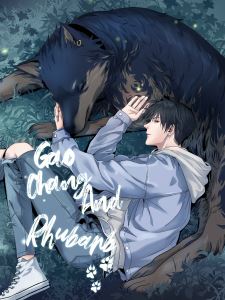
I have to address the narrative voice here because this author has created something genuinely funny without trying too hard. Rhubarb's internal voice is the standout. When Gao Chang offers it KFC and asks how it is, Rhubarb thinks: Delicious! Then immediately pivots to marital satisfaction — it has definitely chosen the right wife. The running joke that Rhubarb considers Gao Chang its wife is sustained perfectly. When Gao Chang says then you should find more treasures and I'll bring you here again, Rhubarb's response is just Mm! Leave it to me! — this eager, almost dog-like enthusiasm disguised as human dialogue is hilarious. And Gao Chang's own voice is distinct: pragmatic, slightly self-deprecating, observant. When he wonders if the shop assistant would be scolded for the missing copper coin, that's Gao Chang's voice — small concerns masking larger ones. The dialogue between Gao Chang and Auntie Ah Shan is sparse but effective. What's the matter? So early in the morning... followed by My grandma passed away. The simplicity carries weight. Auntie Ah Shan's response — Oh no, his father is a way of addressing someone's father! Hurry and get up — is natural, slightly confused, immediately practical. But it's the narrative voice that really shines. Phrases like One couldn't deny that this chain store really knows how to make junk food, or This was the guy he would be living with for the rest of his life. Ah, how depressing the reality was, have this intimate, confessional quality. The author writes Gao Chang's thoughts as if we're overhearing them, not reading a polished monologue. Even the clinical descriptions — Grandma Gao's dentures soaking in water, the tunnel extending from bedroom to grandmother's room — carry this undercurrent of emotional awareness. The dialogue between characters is often brief, almost understated, but the narrative voice fills in everything the characters leave unsaid.