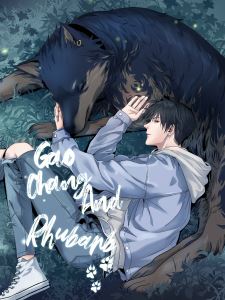
There's this one scene that stays with me. Gao Chang and Rhubarb sitting outside the KFC at the train station plaza, eating a family bucket. The dog has nearly buried its head in the pile of chicken, hind legs spread apart, looking almost like a pig eating. Gao Chang is watching this and silently sighing about how this is the creature he'll spend the rest of his life with. It sounds simple, almost silly, but it's doing so much work. The author is telling us this is a world where fast food exists, where pets aren't allowed inside chain restaurants, where a man drinks Coke through a straw and feels awkward about it. These details ground the supernatural elements — the rebirth, the talking dog, the apocalypse prep — in something tactile and real. Then there's Grandma Gao's room, which becomes the entrance to Gao Chang's underground tunnel. The description of her daily routine — getting up early, removing her dentures, cleaning them, soaking them in water — creates this intimate portrait of rural elderly life. When she dies, it happens exactly as Gao Chang remembered, in her sleep, peaceful expression. The funeral preparations are handled by the village, with a ready-made funeral band and a master of ceremonies. The village setting is rendered with specificity: Sanheyuan courtyard, north-facing rooms, bamboo grove behind the house, vegetable garden, senior activity center where Gao Chang used to play mahjong. The tunnel construction scene is particularly vivid — Gao Chang taking bricks from abandoned houses and construction sites, scattering excavated soil in the bamboo grove where no one would notice. He's building something secret beneath the everyday world. And the herbal garden next to the chicken coop, the honey locust trees, the star anise and cinnamon plants — these aren't just survival prep, they're landscape painting. The author is mapping out a world that's about to change forever, and every plant, every brick, every buried tunnel entrance feels deliberate.