Gao Chang and Rhubarb - Reviews

Gao Chang and Rhubarb
+Add to Custom List
Sort
Add review
... Read More
This whole mahjong scene between Gao Chang and Rhubarb is gold. You've got this ancient spirit dog—the Inugami descendant—sitting across from him at a table, fully invested in gambling. And Gao Chang? He's not even trying hard. He's just casually winning everything while half-paying attention. The power dynamic is hilarious: Rhubarb is literally begging for one more round after losing every single coin, and Gao Chang is just yawning and going to meditate. It shows how comfortable they are together—he knows the dog's limits, he knows it'll dig up more tomorrow. Their bond feels lived-in, like they've been doing this for a while.
... Read More
There's this incredible symbolism running through everything. The salt - preserved, sealed in wax, lasting forever - represents Gao Chang's entire philosophy. In a world about to end, the most basic necessity becomes the most valuable. Salt doesn't spoil. Nothing else might. The ritual of opening bags, pouring into jars, sealing with wax - this is almost religious. Nine years of careful preservation as prayer. The bamboo forest is this haunted boundary space where Gao Chang can move freely at night. It's avoided by villagers because of superstition, but that superstition becomes his advantage. The forest protects him. It's like the world itself is helping him prepare, creating cover through fear. Interesting how the supernatural elements (haunted forest, talking dog, blue sunlight) exist alongside hyper-realistic preparation. Rhubarb's fur changing from black to golden over nine years - this isn't just description, it's transformation. The dog is becoming something new, just as Gao Chang is preparing to become someone new when the apocalypse hits. Dark gold and black intermingling. Neither fully one color. They exist in between states, which is exactly where they need to be for what's coming. The deepest symbol might be Gao Chang's hesitation about warning people. He's spent nine years preparing for himself and his dog. Does he have the right to involve others? Does he have the right to NOT involve others and watch them die? The 'blue sunlight' itself is this ominous symbol - light that destroys rather than sustains. Everything inverted. The source of life becomes the source of death.
... Read More
Okay so let me just say this - the way this story sets up the apocalypse timeline is genuinely brilliant. You've got Gao Chang, this guy everyone in the village thinks is a complete failure, right? Single, unemployed, twenty-seven, apparently 'going to the city to find rich old women' according to some deluded gossip monger. But then you learn he's been building a basement, stockpiling salt, honey, canned food, shoes for years. Nine years. NINE YEARS of preparation while everyone mocks him. That contrast is everything. The plot tension comes from this ticking clock - eleven days until blue sunlight appears. November 18th. He knows it. The reader knows it. Everyone else in the village has no idea they're living their final normal days. And what's killing me is the moral dilemma he faces. Should he warn people? If he posts online, he gets tracked. If he tells villagers directly and they don't believe him, he looks crazy. If he tries to help them secretly, someone might figure it out and ruin everything. This is such good dramatic irony. Then there's Rhubarb - this dog who can apparently sense danger, complains about vegetables, suggests digging up ancestral tombs (which would get them killed in the apocalypse AND now). The dog is basically his partner in crime, his only confidant. The line 'Two-legged humans are so troublesome' from the dog is hilarious but also kind of sad when you think about it. This creature has seen apocalypses before, lived through them, and here it is stuck with a human who won't even share his canned luncheon meat. The previous life backstory is drop by drop - we learn he survived the apocalypse once already, spent nine years preparing, and now he's on the verge of experiencing it again. The plot doesn't dump all the exposition at once, which is smart. You're figuring things out as you go, just like he is. And that ending where he's wondering whether to warn people? Chef's kiss.
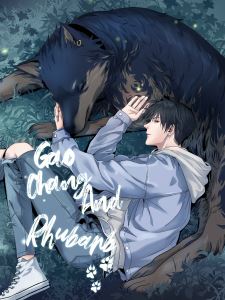
... Read More
So this whole chapter is basically the eye of the hurricane, you know? Gao Chang is out here living a semi-normal life, playing mahjong, taking care of a dog... but every single page drips with the knowledge that something catastrophic is coming. That's what makes this section so gripping. The plot isn't showing us the apocalypse directly—it's showing us the meticulous, almost mundane preparations for it. And honestly? That's more terrifying than any monster reveal. The fact that he's playing cards like everything is fine while mentally calculating how many packs of laundry detergent he can stash away before civilization collapses? Chef's kiss. The subplot with Rhubarb finding ancient coins is a nice touch too—it adds a light mystery thread that could pay off later. But what really hooks me is how the author layers the dual timeline. We get flashbacks to a past life where Gao Chang experienced the apocalypse firsthand, and those fragments are scattered throughout like breadcrumbs. "It really wasn't a good dream, Grandma"—but it was, wasn't it? A memory of another life. The grandmother's casual response about the ancestors sending signs feels ironically prophetic. She has no idea how right she is. My only question is: will the ancient coins Rhubarb found turn out to be more than just collector items? In a world heading toward societal collapse, would old currency even matter anymore? Or is there something else buried in that bamboo grove?
... Read More
What I love about the worldbuilding here is how casually the supernatural collides with the mundane. We've got SARS paranoia in a Chinese village, mahjong-playing women, copper bone soup, spare ribs — and somehow, through all this, there are these ancient spiritual beings called Inugami with thousand-year lifespans and mating customs that require wedding ceremonies. The contrast is hilarious AND it makes the world feel genuinely lived-in. You can tell the author put real thought into this. The Inugami tradition of seeking human partners instead of mating with other dogs because 'the chances of dogs receiving the inheritance are extremely small' — that's such a specific, logical detail that elevates the entire concept. And Rhubarb picking up the word 'remarrying' from mahjong women dozing in Gao Chang's arms? That scene is cinema. A literal spirit dog learning human vocabulary from eavesdropping on elderly women playing tiles. The inherited memories being 'somewhat outdated, possibly lost to history' is such a clever touch — it means Rhubarb is kind of navigating two worlds at once, neither fully dog nor fully integrated into modern human society. Even the medical detail about enlightenment reverting their canine bodies to original forms and requiring a second cultivation cycle adds weight. This isn't just a fish-out-of-water story; it's a world where ancient spiritual hierarchies intersect with contemporary rural Chinese life in ways that feel organic, not forced. Every detail serves the atmosphere.
... Read More
Can we talk about the tension in this chapter for a second? Gao Chang is basically carrying a fortune in genuine antiques through an unfamiliar city, pretending to be some country kid, and he has ZERO background support. No one's watching his back except a tiny dog hidden in a woven bag. The author makes you feel how risky this is without ever spelling it out. 'Some people might even assume that their mountain was full of buried treasures.' This thought alone is enough to make my heart race. He's negotiating with strangers who could be anyone, mixing real and fake items deliberately, and if anyone suspected even a little something was off — well. The fact that he makes it out with over 50,000 yuan and his head still attached is honestly impressive. But here's what keeps me up at night: what happens when those shop owners figure out where else he's getting this stuff? The author planted that seed right there in the text. The stakes aren't going away. They're just waiting.
... Read More
The pacing of this section is a masterclass in escalation and release. It starts with silence—the locked door, the darkness, the slow realization of what happened inside. Then it moves to the courtyard reveal, and the description of the carnage hits you like a physical blow. "Arms were here, heads were there—body parts strewn everywhere like discarded dolls." The author doesn't linger. One sentence and you're already being dragged into the next scene. Then the fist comes flying. Instantly you're in a confrontation that could go either way. The dialogue is fast, sharp, overlapping—villagers chipping in, the chief mediocrating, Zheng Guochao escalating. It reads like a storm building, and you're right in the eye of it. The turning point—the dog leaping—is so fast it almost catches you off guard. One moment Gao Chang is being threatened with a hoe, the next the attacker is pinned to the ground. The action doesn't drag. It detonates. And then the aftermath falls into silence. "The courtyard fell silent. Even the village chief—always known as a people-pleaser—was at a loss for words." This silence is structural gold. After the explosion of violence and accusation, the quiet that follows is heavier than any dialogue could be. The reader breathes. The characters breathe. And then Auntie A-Shan breaks it with the softest possible words, which somehow feels more disruptive than Zheng Guochao's screaming ever did. The chapter ends on a note of suspended tension—not resolved, not continued, just held. Like the book is looking at you and saying: okay, you survived that. Now what? I stayed up way too late reading this section and I have no regrets.
... Read More
Okay so this premise is absolutely unhinged and I love it. A human marries a dog to learn cultivation techniques? That is not a setup I expected to be invested in, but somehow it works. The whole arranged marriage arc between Gao Chang and Rhubarb is played for laughs—you've got white candles (which Rhubarb immediately flags as funeral candles!) and secret midnight kowtowing—but the plot keeps sneaking in genuine stakes underneath. The inciting incident is clear: Gao Chang wants longevity, and the dog clan holds the key. But the real plot engine kicks in when it becomes obvious that the cultivation technique can't help Grandma Gao. That moment where Rhubarb explains why she can't learn it? That reframes everything. Up until then it reads like a comedic fantasy romp, and then suddenly it's a story about a young man watching the last person he loves fade away. The chapter ends on a devastating cliffhanger—Gao Chang telling his grandmother he doesn't want to go to college anymore, citing a dream as his reason. Is he choosing to stay and care for her? Is he choosing cultivation over the conventional path? The author does this brilliant thing where the plot keeps pivoting between humor and heartbreak without warning, and I find myself completely caught. Does this marriage between a human and a dog actually have legs, or is it going to collapse under the weight of its own absurdity?
... Read More
Oh my god, Gao Chang is absolutely vicious and I love it. This guy isn't playing around — he finds a mystical dog with cultivation secrets and immediately starts negotiating like it's a business deal. And Rhubarb? The poor thing is caught between its pride, its inherited sense of honor, and honestly just wanting spare ribs. The power dynamic here is SO interesting. Rhubarb keeps saying things like 'I'll repay you in the future' with this weak, trembling voice, while Gao Chang is just casually threatening to kick him out. The line where Rhubarb hooks its paw onto Gao Chang's pant leg absolutely wrecked me — this is supposed to be some proud descendant of the Inugami, right? And yet here it is, literally clinging to a human's leg like a desperate child. But then the mate selection criteria scene flips everything. Rhubarb has literally studied the criteria and determined Gao Chang DOESN'T MEET THE STANDARDS. That's the betrayal that got me. You're struggling to stay, you're begging for marriage, and your own internal standards are telling you this human is completely unworthy. Meanwhile Gao Chang's going full manipulator mode: 'Sigh... forget it, you should just leave. Looks like tomorrow, only Grandma and I will get to enjoy the spare ribs.' That's not manipulation, that's a art form. Who writes this? I need to know who wrote this. And the fact that Rhubarb immediately caves? The dog is doomed. Absolutely doomed. Their relationship is already set up as this weird toxic codependency where one person holds all the cards and the other keeps pretending they're in control.
... Read More
"No, let's get married, ba!" Rhubarb sniffled, feeling genuinely heartbroken. I am not okay. I am genuinely not okay. The fact that this novel has convinced me to emotionally invest in a marriage between a human and a dog-descendant is both a miracle and a warning sign. But here's the thing — it actually works? The emotional core of this whole arrangement is so surprisingly tender underneath all the comedy. Rhubarb isn't just some opportunistic spirit beast; it genuinely feels gratitude. It says 'failing to repay kindness was not something a member of the dog clan should do' and you can feel the weight of centuries of cultural programming pressing down on this tiny, sick little dog. Meanwhile Gao Chang, for all his ruthlessness, clearly cares enough to keep negotiating instead of just throwing Rhubarb out. That's the slow-burn friendship energy I live for. The CP chemistry? Nonexistent in the traditional sense, but there's something deeply intimate about two被迫 beings stuck together — one needing the other's cultivation knowledge to survive, the other needing a human host because it's too weak to survive alone. They're both vulnerable. They're both pretending they're not. And the 'mate selection criteria' reveal where Rhubarb's heart is actually at? Chef's kiss. The dog knows this arrangement is a terrible idea but is doing it anyway. That's not romance, that's devotion. And I'm here for it.
... Read More
Okay so let's talk about STAKES because this text has them layered like a dangerous cake. On the external level: Gao Chang has approximately ten years before the sun's behavior becomes lethal. That's a ticking clock that makes every interaction feel urgent, even when it's disguised as comedy. Rhubarb, meanwhile, is physically fragile — it got sick from absorbing inherited memories, its strength isn't keeping up, it's essentially running on fumes. The external conflict is clear: if Gao Chang kicks Rhubarb out, he dies in a decade. If Rhubarb leaves, it probably dies immediately. They literally cannot escape each other. But the INTERNAL conflicts are where this gets really good. Rhubarb is torn between its pride (it studied the mate selection criteria and Gao Chang failed them) and its duty (it cannot refuse a debt of kindness). Gao Chang is torn between his ruthlessness (he needs to squeeze every benefit from this situation) and his growing recognition that Rhubarb is more than just a tool. The moment where Rhubarb says 'I absolutely won't marry you, so don't even think about it' and then immediately backpedals because it's afraid of being abandoned? That's internal conflict made visible. And the stakes keep rising with each revelation — first it's just 'help me survive,' then it becomes 'you need to marry me to access cultivation,' then it's 'but you don't meet my standards.' Each escalation raises the emotional temperature. The author doesn't let us forget that both characters are gambling with everything: Gao Chang is betting his entire future on a deal with a creature that could theoretically betray him, and Rhubarb is betting its cultural honor on a human it internally rejects. Who blinks first?
... Read More
Okay, I need to talk about Rhubarb because this dog is genuinely one of the most interesting characters I've encountered in a rebirth novel. First of all, the dynamic between Gao Chang and Rhubarb is built on this really sweet role reversal. Rhubarb keeps thinking about how lucky it is to have chosen the right wife — usually the dog clan takes care of their wives, but here it's Gao Chang bringing Rhubarb to KFC, flipping the script entirely. And Rhubarb's internal monologue is priceless: it thinks Gao Chang is incredible because she makes money AND brings it to the big city for fried chicken. This dog has a very specific way of processing the world. It sees Gao Chang as its wife, which is a running joke that never gets old. But underneath the humor, there's something real here. Rhubarb has genuine abilities — finding antiques from underground, knowing crude herbal medicine, treating colds and fevers. It's not just a pet; it's a partner in this survival prep. The relationship with Grandma Gao is equally touching. This old lady's love for her grandson is described as almost blind — she believes he's unique, that he'll one day possess brilliance beyond anyone's imagination. Even in death, her routine of carefully removing and soaking her dentures like precious treasure shows how much she treasured the small things. And Gao Chang himself — he's changed since his first life. He's not the seventeen-year-old lost boy anymore. He's twenty-eight, aware, planning. When Auntie Ah Shan comes to help with funeral arrangements, Gao Chang notices how the villagers treat him with indifference but still include him because his family's affairs are village affairs. He thinks about how these people will need to survive when the apocalypse arrives. There's this growing sense that Gao Chang is preparing not just for himself but for everyone around him, even the people who don't respect him. The relationship between Gao Chang and the village is complicated — they look down on him as an uneducated loafer, but he's the one secretly building underground tunnels and hoarding supplies.

Leave a comment

You must be logged in to leave comments. or
