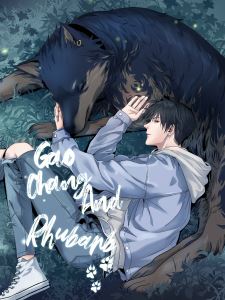
There's a symbolism here that kept returning to me and I can't shake it. White candles. In Chinese tradition, white candles at ceremonies are for the dead—funerals, memorials, ancestral rites. Rhubarb points this out immediately, treating it as a comedic blunder, but the author placed it there for a reason. This marriage is happening in the shadow of mortality. Gao Chang's entire motivation for learning cultivation is the desire for longevity—stopping death,延缓 the inevitable. And yet the candles keep reminding him that death is already in the room. Grandma Gao is washing clothes by the ditch, an old hen clucking nearby, living out her remaining days in a village with poor wiring and frequent blackouts. She will not survive the technique. The Inugami cannot save her. The white candles are lit for her, whether anyone admits it or not. Then there's the marriage itself as symbol—an union between species, between human and dog, between necessity and affection. Rhubarb claims he married for the meat and the cultivation; Gao Chang claims he married for the technique. But they're kowtowing together at midnight, sharing a bed, negotiating tolerance. The transactional facade is cracking. And the dream that makes Gao Chang quit college—is it really just a dream? Or is it his subconscious telling him what he already knows: that what he truly cultivates is not immortality, but presence? The story keeps asking whether love and longevity are the same thing, and I don't think it has an answer yet.