Back to My Dad’s Youth - Reviews

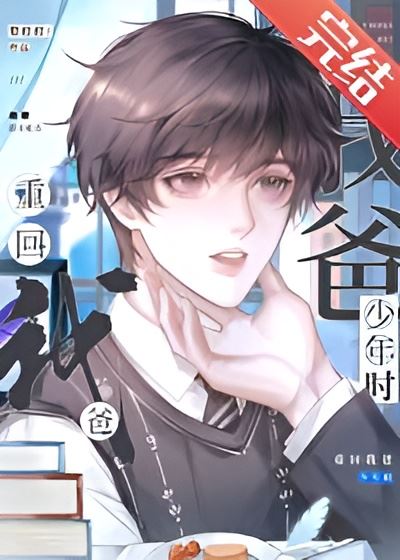
Back to My Dad’s Youth
+Add to Custom List
Sort
Add review
... Read More
Okay but let's talk about the actual stakes here. This isn't just teenage romance fluff—there's real pressure grinding down on Shi Yuan. Xu Suihe's chemotherapy. Hospital transfers. Grandparents getting older, can't travel back and forth anymore. Street stall closed. Medical bills covered, but life still costs money. The loan was specifically for treatment—Shi Yuan won't touch it for daily expenses even if Lin Shen wouldn't object. So what does he do? Works every spare second he can find. Holidays aren't holidays. They're just more time to grind. "Studying was actually the easiest part of his day." That line wrecked me. Because it means everything else—work, family, love, obligation—is layered on top of academics like a structural load that could collapse at any moment. And yet, somehow, there's this scene where they're racing to catch the last bus. Kisses interrupted by passing cars, footsteps that might be imaginary, the whole thing running on adrenaline and stolen moments. The urgency isn't manufactured drama—it's the natural rhythm of people who don't have luxury time. Every second together is negotiated, borrowed, won. What happens if Shi Yuan breaks? What happens if the money runs out? The text doesn't spell it out, but you can feel it hanging over everything like weather. That's how you build stakes without melodrama.
... Read More
There's a recurring pattern I've noticed across these chapters that I can't shake—the way fatherhood and absence keep surfacing as visual and emotional motifs. First you have the entire premise: a son trying to trace a mother who may not have abandoned him at all. Then there's the scene under the streetlamp where Lin Wangye sees his actual father, old and tired and smoking. And then immediately after, he's lecturing Lin Shen about taking care of himself like a father would. The streetlamp itself is doing heavy symbolic work here. It's a single point of light in darkness—a place where someone chooses to stand alone. His father under that lamp,Lin Shen under that lamp in his memory—they're both isolated figures framed by artificial light, and Lin Wangye is caught between wanting to understand them and wanting to escape their shadow. Even the food stall is telling. Two elderly people running a clean, humble operation, serving something warm and simple. It's not a grand family dinner but it functions as one. The disposable bowls, the shared stool, the way Lin Wangye eats regardless of his hygiene concerns—it's all about finding sustenance and connection in unexpected places. The deeper question the text keeps circling is: what makes a family? Blood? Shared meals? The person who steals your cigarette because they're worried you'll die? I don't think the author has a neat answer yet, but the fact that they're asking it this honestly is what keeps me coming back.
... Read More
Okay so the centerpiece of these chapters is definitely the whole Lin Wangye–Xu Suinian secret that Lu Chengxuan already knew about but deliberately kept Lin Shen in the dark over. Think about the structure here—the author doesn't dump this info early. Lin Shen has been building up frustration for days, simmering about being left out, and then BOOM, it drops during what was supposed to be a mundane dinner conversation. That's textbook misdirection, making the reader think this is just a casual trip scene before pivoting hard into emotional territory. But the real plot masterstroke is how Lin Shen's reaction unfolds. He doesn't just get mad and walk away—he physically confronts Lu Chengxuan, only to end up sprawled on top of him on the bed. And then here's the twist that recontextualizes everything: his immediate defensive response isn't vulnerability, it's aggressive posturing. 'Mind your own damn business!' while he's literally straddling this guy. The plot isn't just about romantic triangles—it's about how these characters use chaos as armor. Also, the dinner ordering at the end is brilliant storytelling economy. After all that tension, Lin Shen just casually switches to 'let's order food' like nothing happened. But of course something happened. The reader knows it. And now we're left wondering what happens when Lin Wangye and Xu Suinian find out they've been discussed like this.
... Read More
'It's okay, kid. I'm here.' Four words. Four absolute wrecking-ball words. I need to talk about this moment because my heart is actually physically hurting right now. Lin Shen is such a fascinating character and this chapter just proved it again. Here's this guy who seems chaotic, loud, always causing trouble—his dad's credit cards frozen, family drama, all that—and then Lin Wangye starts crying and what does he do? He just... freezes. Stands there like he's being publicly executed. But he doesn't leave. He takes the napkins Lu Chengxuan hands him and starts wiping his friend's face. No grand speech, no dramatic moment, just practical care. And Lin Wangye's reaction afterward is everything. "You're such a good person." Lin Shen's response? Palm outward. "Don't do this to me." He can't handle the sincerity. That's such a tell about this character—he's all armor, but the armor has cracks, and Lin Wangye keeps finding them. Then there's the whole Xu Suinian thread simmering underneath. Lin Wangye helping at the stall, saying it's about returning the favor for math tutoring—but we know that's not the whole truth, do we? The way he cares about Shi Yuan's frostbitten fingers, the way he tracked down his grandparents' real address without being told... the emotional complexity here is *chef's kiss*. Also can we appreciate Lu Chengxuan? Quiet, observant, hands over napkins at exactly the right moment. This boy understands emotional intelligence better than half the people I know.
... Read More
The pacing in these chapters is a masterclass in tonal whiplash and I have notes. We open with what reads like a warm family scene — sweet aunt-nephew reunion, easy banter, everyone getting along. Lin Wangye just happily accepting the invitation to join them. It feels like a breath of fresh air. And then — BOOM — his internal monologue pivots so hard I got whiplash. From 'okay thanks auntie' to 'I need to sabotage my own aunt's marriage before it happens.' The author doesn't linger on the shock value though. They immediately undercuts the heavy revelation with Lin Shen destroying a designer bag. This is crucial pacing — if the chapter stayed at maximum tension the whole time, it would exhaust the reader. Instead we get this rhythm: tension → comedy → tension → subtleForeshadowing → more comedy. It's like emotional rollercoaster designed by someone who actually understands how readers breathe. The black cat charm reveal at the end is the perfect button — quiet, mysterious, almost whisper-quiet after the bag drama. It pulls the tone back toward intrigue without resolving anything. Classic cliffhanger-adjacent structure. What really works is how the romantic/relational beats are woven THROUGH action rather than stated outright. Lin Qianqian's care for Lin Wangye isn't declared — it's shown through the front seat reassignment. Her resignation about Lin Shen's spending isn't explained — it's in the sigh and the punchline about starvation. The author trusts the reader to connect dots, and that respect for audience intelligence is why the pacing never feels rushed despite packing so much in.
... Read More
I can't stop thinking about the symbolism woven through this cafeteria scene. Let me unpack it. The cafeteria itself is a powerful metaphor. It's the most basic, unglamorous part of the school—square metal tables, immovable stools, food that costs twelve yuan. And yet, this is where the central emotional revelation happens. The places we don't expect to find meaning are often where it lives. Then there's the renovation thread. Lu Chengxuan and Lin Shen's father both renovated things—not out of competition, but out of some unspoken bond. The library and experimental building were described as "mere accessories" to what Lu Chengxuan actually wanted: the cafeteria. Their promises to each other shaped the physical space around them, even though they never spoke about it directly. They just... built toward the same goal from opposite directions. The snow is doing heavy lifting too. First snow of winter, settling on pine trees. Winter is traditionally a time of stillness, of endings that precede new beginnings. The cold weather is what traps these three boys together in the cafeteria instead of scattering them to the internet cafe. Constraint creates connection. And the broken oath—the one nobody agreed to—becomes its own kind of symbol. Maybe brotherhood doesn't need ceremonies. Maybe it's already happening without them knowing it. Lin Wangye wants words; the other two just live it.
... Read More
Let me be honest—I didn't expect this chapter to make me genuinely invested in the outcomes, but it did. The conflicts might seem small on the surface, but the author manages to make them feel enormous because they're rooted in something universal: the fear of failure and the need to belong. The math class scene creates immediate, relatable stakes. Lin Wangye is a liberal arts student thrust into a science-heavy environment where he barely survives. The humor comes from the exaggeration—comparing himself to a wilted plant, referencing his previous life's exam failure—but the anxiety underneath is real. Anyone who's ever felt academically inadequate in a new environment will connect with this. Then there's the rumor conflict, which operates on a completely different level. The social stakes here are massive. In a high school setting, rumors can make or break your reputation. What makes this scene work is that Lin Wangye doesn't treat it as a threat—he leans into it. This subverts the typical 'protagonist panic about gossip' trope and creates a more interesting dynamic. The conflict isn't about avoiding the rumor anymore; it's about how the rumor will reshape his relationships. The history teacher calling on him creates a third layer of stakes. This is the 'academic authority figure testing your competence' conflict, and it's tense because we know Lin Wangye has knowledge but also knows the teacher is trying to make an example of him. The multiple-choice question about Tang culture becomes this tiny battlefield where Lin Wangye has to prove himself. What's brilliant is how these conflicts escalate without feeling forced. Each one resolves quickly, but each one opens new questions. Will the rumor cause problems later? Will the history teacher hold a grudge? Will Lin Wangye's knowledge from his past life become a burden or a blessing?
... Read More
There's a recurring coldness motif running through this entire section that I think the author is using deliberately, and it's not just about weather. The snow is both a barrier and a cleanser. Lin Wangye walks through it to get to Shi Yuan's home — he could've stayed warm, stayed comfortable, stayed away from this place where his world and Shi Yuan's world shouldn't overlap. But he chose the cold. The blue steel plates at the entrance — construction site metal, temporary, unfinished — feel like a perfect symbol for Shi Yuan's life right now. Something built to last but still looking provisional, still waiting for the real structure to be completed. And that padlock securing the opening? How fitting. Everything about this place screams 'closed off,' which makes Lin Wangye's intrusion through that same locked opening even more meaningful. He didn't break in. He was let in. The contrast between the two rooms is another layer I can't stop thinking about. One room is warm, wallpapered, spotless, pre-heated for guests — the room for family, for performance. The other is raw concrete, no wallpaper, no AC, just functional and real. And Lin Wangye chooses the second room without hesitation. He's choosing authenticity over comfort, and that's the whole theme right there. 'Snowflakes danced in the sky, composing a winter melody.' That line though — the author turns the cold into something beautiful instead of something harsh. As if to say: this difficult, frozen season is also where something tender grows.
... Read More
This chapter is a masterclass in stakes escalation without any explosions, dramatic confrontations, or villains to fight. The conflict here is entirely internal and relational, which means it's infinitely more dangerous because there's no enemy to defeat—just two people who care about each other navigating something neither of them has the vocabulary for yet. Let's break down what Lin Wangye is actually risking. First, his emotional stability—he's spent God-knows-how-long building this careful distance from Shi Yuan, pretending that seeing him at school is enough, that proximity without confession is a sustainable way to live. And then Shi Yuan gets sick, and all that discipline evaporates in forty-five seconds of panic. He didn't even know he was this close to the edge until he was falling. The stakes get higher with every line of that phone call. When he asks to visit and gets the gentle deflection, the real conflict reveals itself: Shi Yuan isn't rejecting him, exactly. He's just… not there yet. Not in the way Lin Wangye needs. And that's worse than rejection because it means hope is still alive—it just lives in next week, which feels like forever. Meanwhile the external conflict with the property management office is happening in parallel, and it's almost comedic in its intensity compared to the emotional devastation unfolding quietly. Lin Shen wants to “ruin” them, swear on the street, make scenes. He's fighting an institution. Lin Wangye is fighting the fact that the person he loves most in the world thinks “next week” is an acceptable answer. The suspense isn't “will they end up together?”—it's “how will Lin Wangye survive today, this hour, this minute, while standing two feet from his crush's best friend who knows everything and says nothing?” That's stakes as suffocation.
... Read More
I want to talk about the lighting in this chapter because honestly it deserves its own essay. When Lin Wangye first arrives, it's late. The room is dim. We don't get full description yet — we're in the dark, literally and figuratively. And then morning comes: "the bright morning sunlight poured into the room." And suddenly, everything changes. The plaster is uneven. Gray cement showing through. No latex paint. A cheap tungsten bulb that strains your eyes. The room was never nice — it was just dark enough that he couldn't see. This is such a brilliant narrative choice. The warmth he felt the night before wasn't just from Shi Yuan's embrace — it was also from not having to confront the reality of where he was. Morning doesn't just bring light. It brings truth. And yet — and this is what gets me — despite all of this, Lin Wangye's reaction isn't disappointment. It's "a tinge of bitterness." Not anger. Not resentment. Bitterness. Like he knows he shouldn't want to stay somewhere this inadequate, but he wants to anyway. The setting mirrors his internal conflict perfectly: a place that is clearly not meant for someone of his worth, but feels like home in ways nothing else ever has. The tungsten lamp, the mismatched walls, the small bed — none of it matters when someone has warmed your clothes for you overnight. The worldbuilding here doesn't describe a mansion. It describes a room. And somehow that's infinitely more powerful.
... Read More
This chapter is fundamentally about inherited pain and chosen family. The apple, the blanket, the hospital room — they're all symbols of something deeper, whether the author intended them to be or not. The apple is interesting because it's shared food, carefully prepared. Shi Yuan peels it, cuts it in two — one big piece, one small piece without the core — and gives Lin Wangye the better half. This is such a small gesture but it speaks volumes about how Shi Yuan cares for people. He notices what someone needs before they ask. The coreless piece is the one without the bitter center, the hard part removed. It's like he's saying: I'll take the difficult part, you take the sweet part. Then there's the blanket. Lin Wangye buries himself in it like a child seeking protection, but he's also using it as a barrier — between himself and the world, between his vulnerability and Shi Yuan's gaze. Under that blanket, he can be imperfect. He can be messy. And when he finally emerges, it's only to admit that he likes being with Shi Yuan. But the biggest symbol here is probably the concept of home itself. Both boys are searching for it in different ways. Lin Wangye has a physical home with Lu Chengxuan's family but no emotional security. Shi Yuan has memories of a home that's been destroyed but no one left to share it with. And yet in this hospital room, sharing an apple and a blanket, they're building something that feels more like home than either of their actual situations. The orphanage detail is also loaded with meaning. Lin Wangye correcting Shi Yuan — "I'm not an orphan, I have a dad who loves me" — suggests that identity is something we fight to maintain even when the world tries to strip it away. Being called an orphan isn't just inaccurate; it feels like a betrayal of his father's love. And yet the fact that he needed to say it out loud to someone else tells us how much he's been carrying this alone. I'm wondering if the title of this novel — if it even has one at this point — should be something about inheritance. Not the money or property kind, but the emotional kind. What grief do we pass down? What love do we pass forward?
... Read More
The pacing in this stretch is absolutely unhinged in the best way. Let me walk through it because the author is doing something really clever here. It starts SO slow. Car ride banter. Light, funny, almost slice-of-life energy. Lin Shen poking fun at Lu Chengxuan, the whole scene feels like a warm-up. Then we cut to a history class — which could have been filler, honestly. A teacher droning on about Emperor Xuan of Han. Sounds boring, right? But no — the EMPTY SEAT. One small detail that changes everything. The bell rings, Lin Shen leaves for the cafe, and suddenly the pace accelerates. The transition from school to hospital is razor-sharp. No time to breathe. One moment Lin Wangye is confused about where his dad is, the next he's sprinting 500 meters to the hospital. And then the confrontation in room 520 — that's where the pacing does something really interesting. It goes from fast and frantic to almost completely still. Lin Wangye outside the door, breathing, gathering courage. Then the slow shuffle inside. The careful placement of fruit and milk. The silence. The chapter ends on this note of suspended anticipation. We're left wanting more, and the author knows it. The history lesson about imperial bloodlines and hidden identities? That's not random flavor text. That's thematic resonance layered onto the pacing. Everything is connected.

Leave a comment

You must be logged in to leave comments. or
