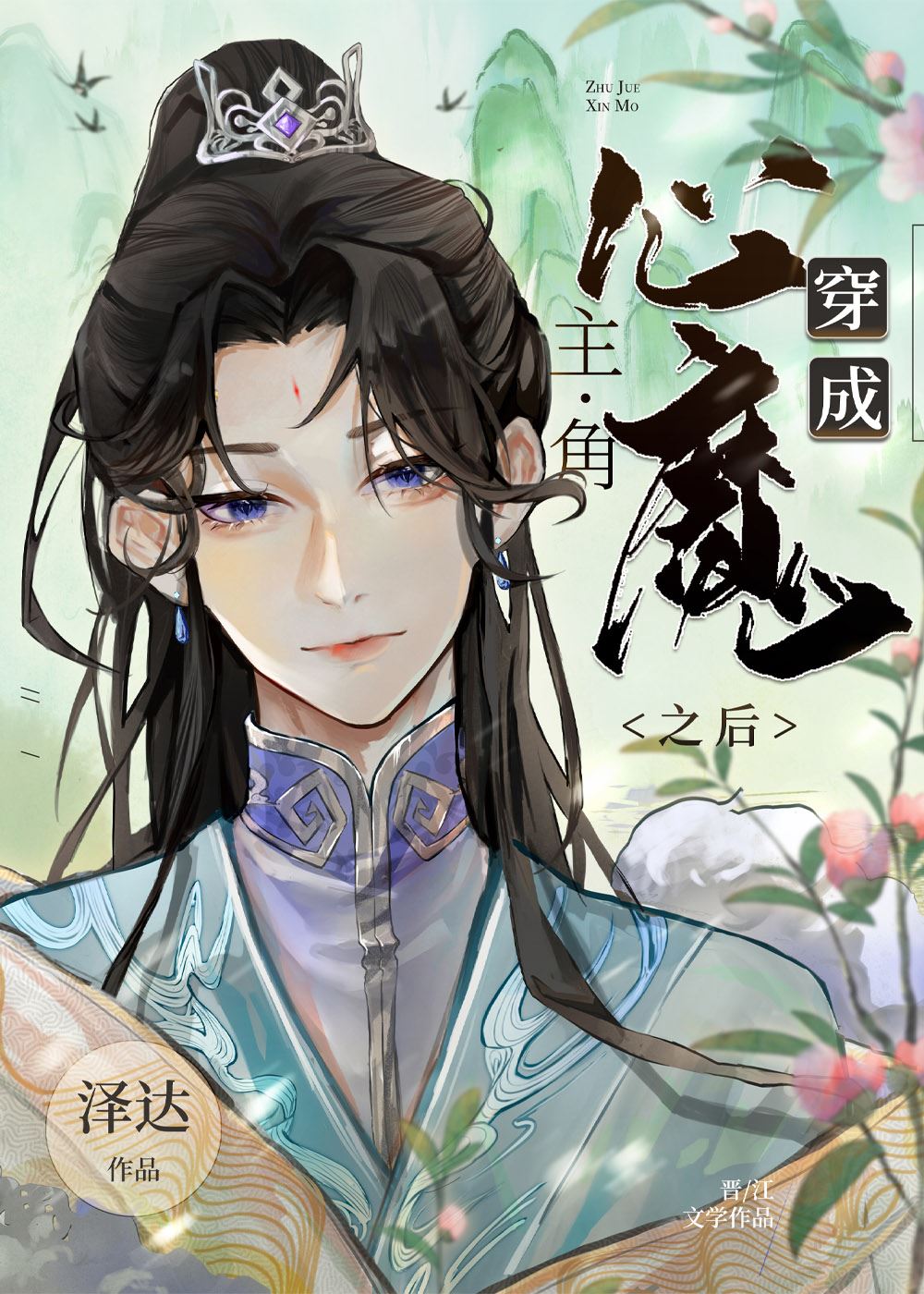
Let's talk atmosphere, because this chapter is a visual masterpiece. The author doesn't just describe scenes; they craft environments that feel alive, breathing, and deeply symbolic. Start with Wan Yu's departure: the cool breeze caressing her face, her graceful immortal-like appearance as she leaves the residence that confined her. It's almost ethereal, a contrast to the decay waiting inside Chu Tianshi's courtyard. And oh, that courtyard—what a setting! The stench of alcohol, the debauchery, the drunk lord sprawled on a chaise lounge with dancing girls. It's grotesque, visceral, and perfectly captures the moral rot of the Chu family. Xiao Mo's reaction ('frowned at the stench') grounds us in the physical reality, making the scene feel nauseatingly real. Then Wan Yu enters: 'a graceful pink silhouette' at first, a ghost of her former self, before her face resolves into clarity. The color contrast is striking—her delicate pink against the sordid backdrop. And when she approaches Chu Tianshi, the author slows down time. His alcohol-clouded eyes, her gentle voice like an 'oriole's song,' the casual 'Chu Lang' that harks back to a虚假 past. It's cinematic, layered with dramatic irony. We know what's coming; he doesn't. The moment of violence is choreographed with chilling precision: her hand tender as water, then plunging into his chest, blood splattering across the dancing girl's skirt, the scream that shatters the haze. The visual of red against the girl's skirt is iconic, a splash of reality in a fantasy of indulgence. But the worldbuilding goes deeper than scenery. The cultivation realm is felt through details: Wan Yu's Golden Core stage, the Foundation Establishment guards, the medicinal suppression of her cultivation, the preciousness of a mutated ice spirit root. These aren't just power levels; they're social currency, tools of oppression. The Chu family's treatment of Wan Yu as a 'caged bird' isn't metaphor—it's literal imprisonment, spiritual and physical. Even Xiao Mo's meta-awareness (knowing the 'original novel') adds a layer of worldbuilding that blurs reality and fiction, suggesting this world has its own narrative laws. And the ending—swords drawn, guards closing in, Wan Yu holding a heart and a snatched sword—is pure action tableau, every detail loaded with impending clash. The environment itself seems to hold its breath. I love how the author uses setting to reflect internal states: Wan Yu's clarity vs. Chu Tianshi's haze, the oppressive courtyard vs. the open breeze she walked through. It's not just backdrop; it's character. The world feels lived-in, dangerous, and beautifully cruel.