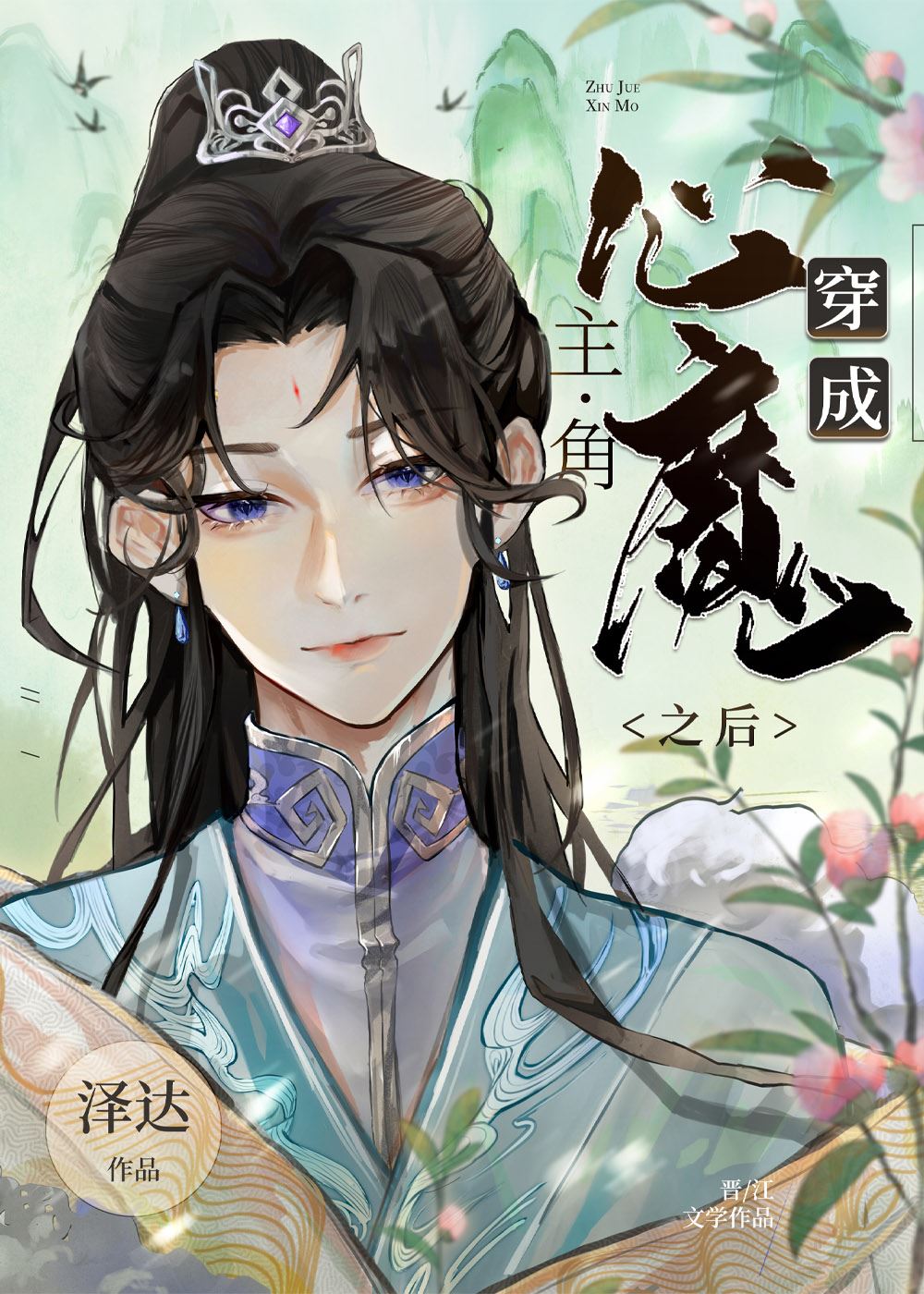
Okay, let's talk about the plot mechanics here because this chapter is basically a masterclass in tying up loose ends while simultaneously detonating the whole foundation. Wan Yu's decision to kill Chu Tianshi isn't some sudden impulse—it's the culmination of every suppressed thought she's had for years. The author sets it up so perfectly: we see her refusal of the medicine, her lucid conversation with Xiao Tao, the jewelry box handoff, and then the cold, graceful walk toward certain death. But the real plot twist isn't the murder itself; it's the narrative framing. Xiao Mo knows from the 'original novel' that Wan Yu was already dead inside, that Chu Jinglan's scheming to save her came too late. That layered perspective—where a character is aware of the story's predetermined tragedy while watching it unfold—adds this devastating irony to every step she takes. The plot doesn't just move forward; it collapses inward, like Wan Yu plunging her hand into Chu Tianshi's chest. And what about the subplots? Chu Jinglan's desperate message, his crippled body stumbling toward her, the potential for a final meeting that may never come—it's all hanging in the balance. The main storyline reaches its apex here, but the tension isn't about whether she'll succeed (she does, brutally and efficiently); it's about what happens next. Can Chu Jinglan truly escape now that his mother has burned every bridge? The author leaves us right at that precipice, sword in hand, guards closing in, heart still beating. It's a brilliant narrative pivot from passive suffering to active destruction. Did I mention the pacing? It's relentless. From the quiet farewell to the bloody climax, there's no breathing room, just like Wan Yu's life had no room for anything but survival. And that line—'To tear open the cage for my son'—isn't just dialogue; it's the entire plot's thesis statement. The cage was always the Chu family itself, the system that consumed her, broke her, and now she's tearing it apart from the inside out with her bare hands.