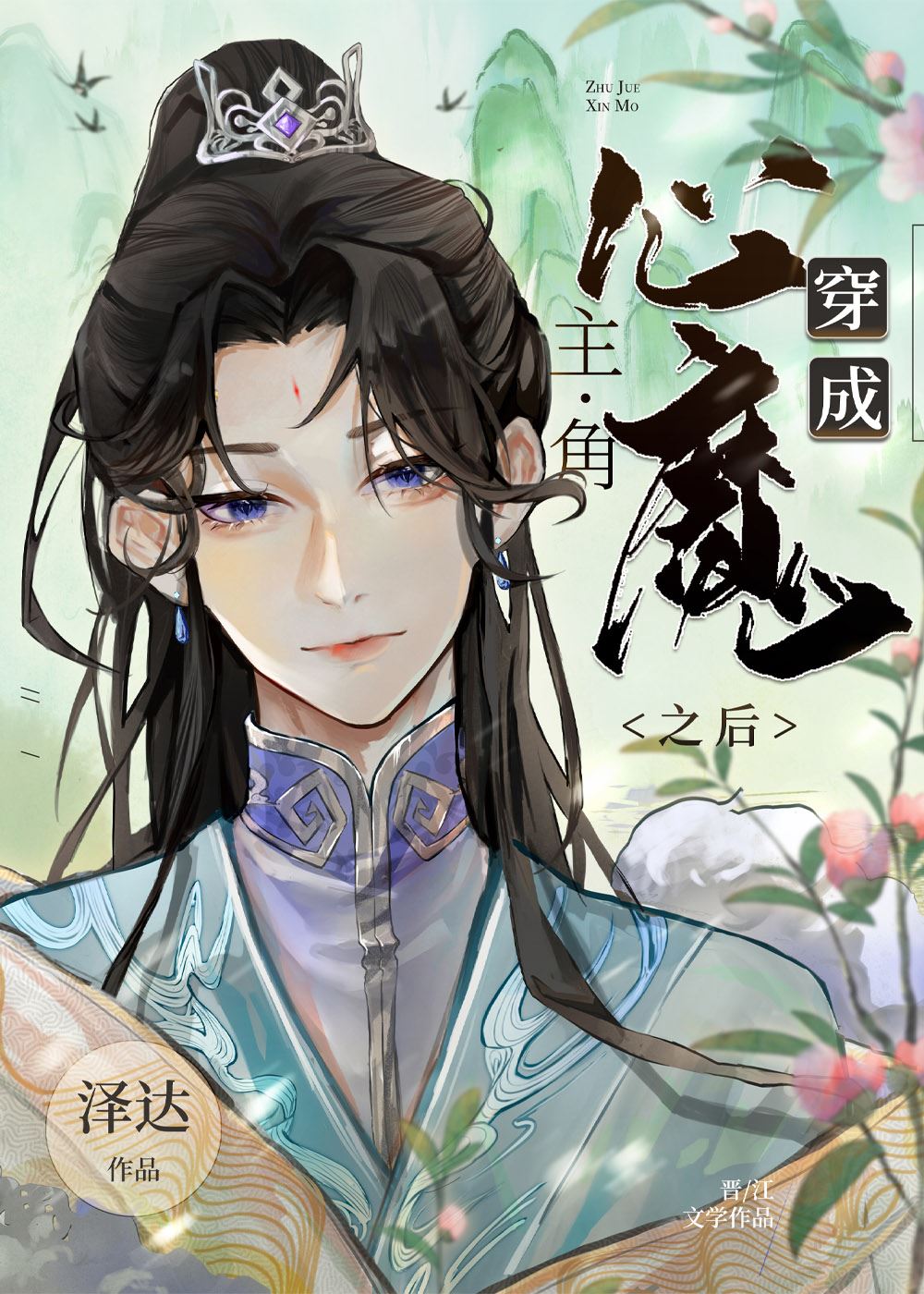
This chapter is secretly about the economics of suffering.
Xiao Mo eats porridge. It tastes good. And then he has to cough up black powder. The system explains: inner demons don't need to eat, but since he's pretending to be ordinary, he must. Ordinary food contains impurities. Those impurities become black powder. The spiritual body cannot tolerate the waste.
On the surface, this is worldbuilding explanation—why the protagonist, a non-cultivator in appearance, can't just enjoy a meal. But read it as metaphor and the image becomes devastating. Chu Jinglan is the same. The original novel treats his recovery as effortless brilliance—'as bright as the moon,' 'a heavenly prodigy.' But Xiao Mo knows the cost. That brightness required fever, humiliation, vomiting impurities, accepting help, pretending to be someone's dependent brother.
The black powder is the visible residue of invisible labor. Every meal Chu Jinglan endures, every step of his recovery, produces waste that must be expelled privately. No one sees it. The original novel's readers didn't see it. They saw the finished product—the revived genius, the romantic reunion, the destined love—and called it natural talent.
"Favoritism? Nonsense," Xiao Mo says when the text suggests the author favors Chu Jinglan. But the real favoritism isn't in the prose—it's in who gets to witness the suffering. Su Baimo only sees the result. Xiao Mo sees the process. And by extension, the reader of this novel sees both: the romanticized legend and the grinding reality beneath it.
The fever itself is symbolic. Chu Jinglan's body temperature is "as cold as ice" normally—another marker of his alienation, his separation from ordinary humanity. When he burns with fever, Xiao Mo finds it "comforting." Why? Because warmth, even pathological warmth, is proof of life. Proof of struggle. Proof that the body is fighting rather than simply existing in cold stasis.
The campfire scene layers this symbolism further. Fire—warmth, community, visibility—surrounds them while Chu Jinglan sleeps against Xiao Mo's shoulder. The firelight is "dancing," creating illusions of depth and mystery in Chu Jinglan's eyes. Others see performance; Xiao Mo sees the bow about to snap. Wan Yu's absence hangs over everything like a ghost.
And the brotherhood they're fabricating—what does that symbolize? Not just deception for survival. It represents the chosen family that replaces the broken one. Chu Jinglan has lost his cultivation, his former allies, possibly his lover. What remains is this ridiculous, improvised kinship with an inner demon who was supposed to be detached. "After all, the person beside him was flesh and blood, not just a character on paper." Xiao Mo's realization is the thematic climax: connection transforms obligation into care, and care transforms performance into something that might, just might, be real.
The chapter closes on the night air being cold, the fire insufficient, Chu Jinglan unable to stay outside long. Xiao Mo leads him somewhere sheltered. The outer world offers no comfort. Only each other does. That's not just plot progression—that's the thesis statement of the entire novel compressed into a single gesture.