After becoming the protagonist’s inner demon - Reviews

After becoming the protagonist’s inner demon
+Add to Custom List
Sort
Add review
... Read More
"Fooling others is one thing—don't fool yourself as well." CHU JINGLAN. You cannot tell me that line didn't give me chills. Xiao Mo saying that to Chu Jinglan, pointing at his chest with those slender fingers like some kind of elegant judge delivering a verdict — it's everything. The dialogue in this section is genuinely excellent because every character has a distinguishable voice. Yan Chun is measured and formal, even as a kid — he's the one who clenches his fists and stands upright, who speaks first when承诺 is needed. Chu Xia is pure emotion, straight-up wailing and then mimicking her brother's gesture with 'Me too!' Mo Zhi is physical and loud, stomping and jumping and shouting. You could read their lines without names and still know who's speaking. And then Xiao Mo's voice — it's warm but sharp, the kind of person who can simultaneously wipe a child's tears with a magic mist ball AND deliver the most accurate assessment of Chu Jinglan's emotional state in one breath. His line 'You don't think that in all these days spent together, you haven't played a part too, do you?' is delivered like he's genuinely baffled that Chu Jinglan would deny his own feelings. Chu Jinglan's dialogue is deliberately sparse and flat, which makes every word count. 'I need him to heal my injuries.' That's it. No dramatic elaboration. Just cold, direct, and somehow more impactful than any monologue could be.
... Read More
This batch opens with a retrospective comment-section reaction, then jumps into a memory of Su Baimo's tears, then cuts to the present-day confrontation in the sea of consciousness. The transitions are abrupt but effective. You don't get bored because the author keeps shifting gears. First we're analyzing lore, then we're in a tense dialogue where swords pass through mist balls and inner demons swing from trees. The pacing inside the consciousness sequence is particularly tight. Dialogue-driven, minimal description, but you feel the spatial weirdness—the withered tree, the mist, the intangible sword strikes. Then Chu Jinglan abruptly leaves, and we follow him back to reality where he 'didn't sleep all night.' That's a nice button on the chapter—shows the emotional aftermath without lingering. I appreciated that the author didn't overstay the confrontation. It ends on anxiety, not resolution. If anything, I want more of these mental journeys, but I also understand they need room to breathe. The structure serves the story: each section reveals character or advances the central conflict without padding. It's lean, which keeps me engaged. No drag, no rush—just steady momentum toward whatever comes next.
... Read More
There's so much layered meaning packed into these chapters, and I love how the symbolism unfolds organically. The concept of an inner demon is fascinating here. In cultivation lore, inner demons usually appear at Nascent Soul and above — they're manifestations of one's spiritual conflicts, doubts, traumas. But Xiao Mo isn't a psychological projection; he's a transmigrator who's just... there. That subversion is brilliant. It makes you wonder: what if an inner demon isn't a symptom of spiritual turmoil, but an intruder? Or maybe — and this is my theory — Xiao Mo is becoming Chu Jinglan's inner demon precisely because of all the pressure Chu Jinglan is under. The golden phoenix born in a chicken coop. That's not just a cute metaphor; it's a symbol of potential suffocated by expectation. Chu Jinglan is extraordinary, yes, but he's also a pawn in his family's ambitions. His mother used as leverage. His emotions concealed. He's mature beyond his years, which usually means he's been forced to grow up too fast. And Xiao Mo's desire to sleep for years, to only wake when needed, feels like a metaphor for emotional withdrawal. When the world demands too much, sometimes the only response is to check out. That resonates deeply. The recurring imagery of bamboo — cut in half, rustling leaves, vibrant green — suggests fragility beneath strength. Chu Jinglan is like that bamboo: upright, resilient, but capable of snapping. This story isn't just about cultivation realms and power levels; it's about what happens to people when they're carved into instruments of other people's dreams. The inner demon might just be the part of Chu Jinglan that wants to quit.
... Read More
Let's just sit with the numbers for a second because they are TERRIFYING in their simplicity. They arrived with a hundred spirit stones. After booking one room and meals for five people, they have a little over ten left. They just paid for five MORE days. And now they're heading into a beast tide—not because they're heroes, but because they NEED the money. Every single action in this chapter is driven by scarcity. That's not background flavor; that's the ENGINE of the entire narrative. But the stakes aren't just financial. They're layered like an onion that could make you cry: The children are left behind in a city where Blood Rain Pavilion exists—a place that takes ASSASSINATION jobs. Xiao Mo knows this. WE know this. The assistant mentioned it with lowered voice and caution, as if afraid of something. And yet the kids are there, alone, with only a barrier and a seal between them and whatever lurks in Lin'an City's underbelly. "Before we return, do not leave the room. Aside from the innkeeper's assistant, don't open the door for anyone else." Ten days. Eight or nine years old. No adults who can fight beside them. The beast tide itself—twenty miles outside the city, spiritual vein fluctuations, requiring Foundation Establishment stage or higher. This isn't a stroll through the woods. Second-tier demon beasts don't play nice, and the fact that the Immortal Alliance is RECRUITING help (not commanding) suggests this is bigger than they initially thought. The assistant called it an attempt to attract cheap labor, but what if he's wrong? What if the real threat is much worse than anyone admits? And Chu Jinglan—their body is the only one that can perform violence, which means every fight, every risk, every drop of blood is HIS alone. Xiao Mo is along for the ride in a supporting role, literally and figuratively. When they enter that forest, there's no backup. No safety net. Just ten days to earn enough to survive and get the kids into that academy. The tension doesn't come from explosions or dramatic declarations. It comes from the quiet, mounting pressure of every number, every deadline, every locked door left behind.
... Read More
The stakes in this chapter are existential, and the conflict operates on every possible level. Let's break it down. External conflict: Wan Yu vs. Chu Tianshi, obviously. But it's more than personal revenge; it's a mother vs. a patriarchal system that commodified her and her son. Chu Tianshi represents everything wrong with the Chu family—debauchery, exploitation, emotional nullity. The Foundation Establishment guards closing in raise the immediate physical stakes; Wan Yu is outnumbered, outgunned, but she's already accepted death. Then there's Wan Yu vs. the Chu family's expectations. They wanted to use her as a threat, to extract Chu Jinglan's spirit root. She denies them that satisfaction by destroying their heir and freeing her son. Internal conflict: Wan Yu's decades-long battle with mental illness, her suicidal ideation, her choice to endure for Chu Jinglan. Now that he's broken, she has no reason to live—except to complete this mission. That's the core tension: is her suicide an act of despair or empowerment? The narrative suggests both. Chu Jinglan's conflict is physical and emotional. He's crippled, breathless, racing against time to reach his mother before she's too late. His stakes are losing her again, losing his last connection to love and authenticity. The suspense is maintained through dramatic irony—we know Xiao Mo's perspective, we know Wan Yu's resolve, but Chu Jinglan is stumbling behind, hoping for a 'final meeting.' The author masterfully withholds resolution. Will he arrive in time? Will Wan Yu survive the guards? What happens to Chu Jinglan after this? The stakes feel enormous because they're personal and universal: a mother's love, a son's survival, the destruction of a corrupt system. Wan Yu's refusal of the medicine is a key moment—she chooses clarity over calm, agency over sedation. That's the highest stake of all: self-determination. Even if she dies, she dies on her terms. The conflict isn't just about winning; it's about how you fight. Wan Yu fights with a bare hand, with a sword snatched from a guard, with a heart still beating. She's not a cultivator seeking power; she's a mother seeking justice. And justice, in this world, requires blood. The tension is unbearable because we want her to succeed, but we also know the cost. There's no happy ending here, only a fierce, fleeting victory. And maybe that's enough.
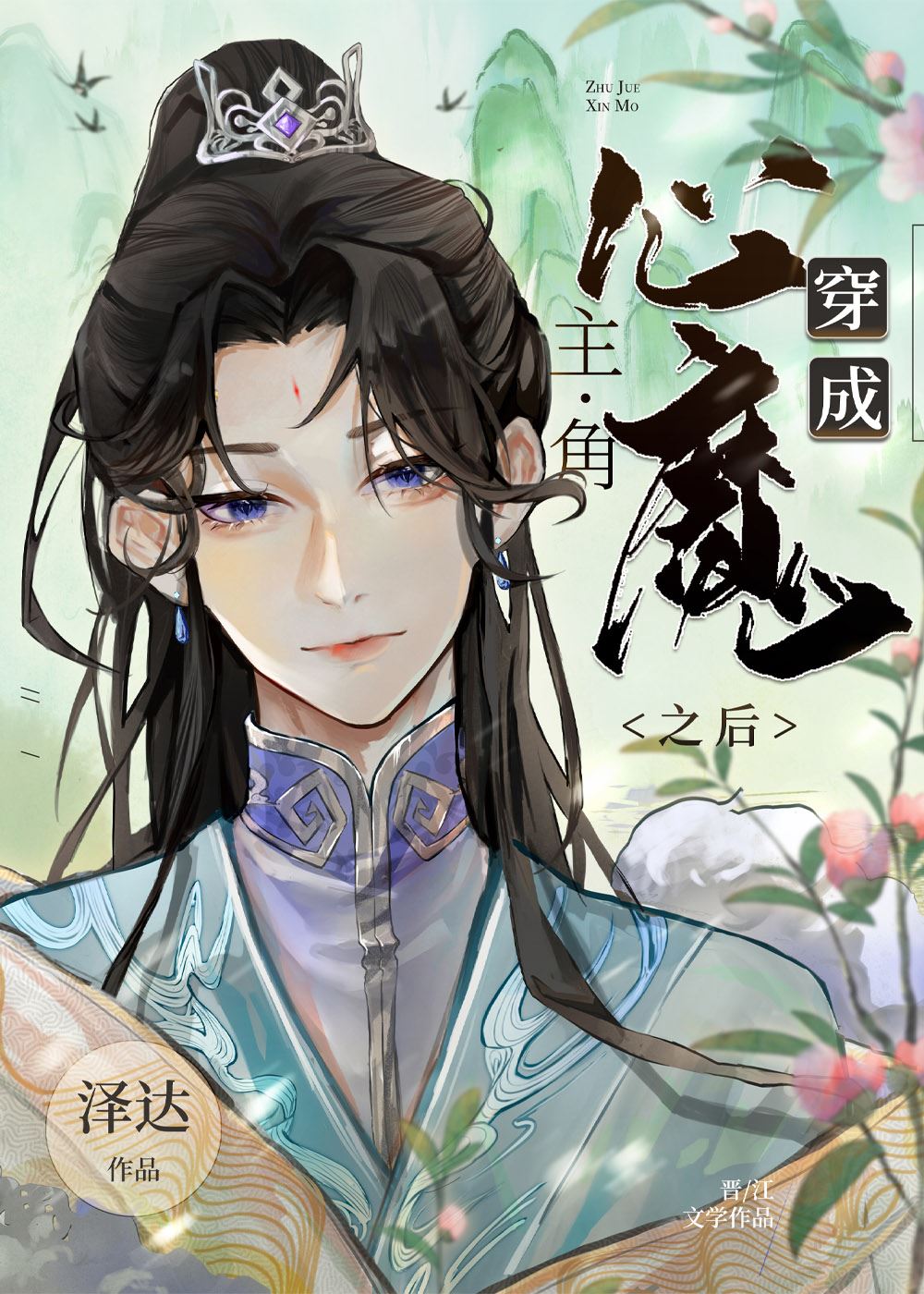
... Read More
Okay can we talk about this moment where Chu Jinglan literally hands Su Baimo three self-improvement books and calls it a present? The man walked TOWARDS him first, initiated it, Su Baimo's face lit up and he thought maybe this is it, maybe this is affection, and instead gets hit with Moral Cultivation 101 and How to Be a Decent Human. I need to sit down. But here's what actually wrecked me—Su Baimo's inability to choose. He's standing between two men, being all tragic and sorrowful, saying 'I don't want either of you to be upset' while clearly enjoying the attention from both sides. Xiao Mo puts it perfectly: if he truly wanted Chu Jinglan, he would've asserted himself. If he liked the Bian boy, he would've answered that question about breaking the engagement. He didn't do either. He just stood there letting them fight over him like some kind of prize. And Chu Jinglan... he notices. Of course he notices. But he walks away anyway. Doesn't confront, doesn't demand explanations. Just turns and leaves like his dignity is worth more than answers. That's the kind of restraint that makes me want to shake him. He already feels something—he gives the books, he has this internal moment about scum and heartbroken people—but he won't let himself want it out loud. The most devastating line isn't dramatic at all. It's just Xiao Mo thinking: 'You'll go through fire and water for him.' Because we know how this ends. The reader knows. And watching Chu Jinglan walk toward Su Baimo with what might have been hope, only to hand him textbooks instead... that foreshadowing hit me like a truck.
... Read More
I love how both characters' voices finally sound distinct here. Chu Jinglan's dialogue is sparse but weighted—he says things like Mm and It's alright and yes it was originally meant for medicine but I don't think I'll need that prescription anymore. He's not good with words so he lets actions speak and when he does talk he hedges. He catches himself mid-sentence and reframes. The text literally says he swallowed the words he originally intended to say. That's such a specific kind of awkwardness that feels so real. Xiao Mo is the opposite—his voice is quick and defensive but cracks appear everywhere. Do you think he really doesn't need this anymore is said with so much forced casualness that you know he's actually trembling inside. And then later when he's complaining to the system about the whole situation—he's honest with the AI but deflects with humor. Why don't you try some too? It's not like these count as fatigue-relieving pills—Jing Lei wouldn't be that petty right? That question at the end where he asks if Jing Lei would be petty about sharing snacks—such a Xiao Mo move to pretend he's thinking about trivial administrative fairness when he's actually panicking about intimacy. The narration itself has this wonderful voice too. It doesn't romanticize anything. It just observes. Learning how to coexist long-term with someone specific is like crossing a river by feeling for stones—that's the kind of line that sounds like something you'd hear from a tired friend describing their own relationship struggles. Not poetic. Just true.
... Read More
Here's what keeps me up at night: the system explicitly tells Xiao Mo that even if he successfully convinces Chu Jinglan not to go to the Mu Mountain Secret Realm, the world will just COMPENSATE. Some powerful expert will appear and cripple Chu Jinglan with a single palm strike instead. The story demands this outcome and nothing Xiao Mo does will change it. This is literally fate vs free will wrapped in a xianxia package and the stakes are absolute. Chu Jinglan stands to lose his cultivation, his mobility, his entire future. Xiao Mo stands to lose... honestly I'm not even sure anymore. He started out not caring. Now he's actively trying to rewrite the narrative. What does he have to lose if he fails? The ticking clock element is brilliant too — just over ten days until the Secret Realm opens. Ten DAYS. The reader knows what's coming and watches Xiao Mo frantically trying to figure out a way to stop it, and every day that passes just increases the tension. There's also this secondary tension where Chu Jinglan himself doesn't know any of this. He's living his life, cultivating, completely unaware that his inner demon is losing sleep over his fate. Every chapter feels like a countdown and I can't look away. This author knows exactly how to make you care about someone's inevitable destruction.
... Read More
"You looked too lonely standing there—I came to keep you company." This is the kind of line that should come with a warning label. I read it and just—stopped. Because Xiao Mo never actually says this out loud. He clears his throat awkwardly and says "Nothing. Let's go—back home." But the reader knows. The reader sees him loosening his hands from behind his back, climbing three steps in a few strides, robe fluttering. He saw Chu Jinglan up there, framed by sky and clouds, looking like an immortal gazing down from another realm—breathtaking, serene, completely alone. And it hurt him. Not romantically, not platonically, just… humanly. There's something devastating about watching someone realize that the person they care about looks beautiful but also empty, and deciding to close the distance even though it's only three steps. And Chu Jinglan's moment before that—"With someone who could play the flute and bicker with him by his side, it was far from lonely compared to his earlier days." He doesn't say this out loud either. He just thinks it and moves on. Two people who cannot articulate tenderness but express it through proximity and presence. Then the whole Qiuqiu scene—this tiny gray bird hatchling nuzzling Xiao Mo's finger, confused about who its true contract master is because Xiao Mo and Chu Jinglan's auras feel similar. And Xiao Mo just laughs and names it "Qiuqiu" like nothing profound is happening. But everything profound is happening. These two beings who are fundamentally inseparable are adopting a creature that cannot tell them apart. Of course it can't. Neither can I, honestly. The emotional architecture of this passage is so carefully built—first the quiet emptiness after the children leave, then the towering image of Chu Jinglan, then Xiao Mo crossing that distance, then the baby phoenix that blurs the line between them even further. I don't know how to process this.
... Read More
I have to talk about the dialogue in this chapter because honestly some of these lines are gonna stay with me forever and Xiao Mo's voice is absolutely perfect. Let's start with Su Baimo's internal deliberation about dual cultivation partners—when he thinks about Mu Jian not liking him and that something shifts imperceptibly in response. The author doesn't need characters to say anything out loud here because Su Baimo's thoughts carry so much weight. But then Xiao Mo enters and suddenly the dialogue becomes this beautiful dance of practicality masking genuine care. "This is called proxy opening. I'm borrowing your luck!" is such a Xiao Mo line because it's equal parts selfish and brilliant and we know he's joking even though his tone remains flat. Only Xiao Mo could tell he was joking which tells us everything about their dynamic. And then Chu Jinglan's responses throughout—just "Alright" and later "You seemed to be sleeping soundly"—are perfectly understated. He's not one for big speeches or emotional declarations but his quiet acceptance says everything. The storage device gifts to Yan Chun and Chu Xia have that perfect balance of casual generosity and deep care. "It's fine—you two will definitely start cultivating someday. I'm giving these to you in advance—keep them safe." No fanfare, no expectation of gratitude, just practical foresight wrapped in genuine investment in their futures. And Chu Jinglan's line about sitting closer might not have been the wisest decision—that's the narrator getting inside his head and showing us he's aware of the intimacy he's enabling without acknowledging it outright. The mental attack notification sounds are such a great touch because they externalize what's happening internally to Xiao Mo. His groggy "I didn't sleepwalk and do anything weird to you, did I?" is denial at its finest—he's already trying to erase whatever emotional significance his unconscious movements had. And Chu Jinglan's response—just "...What?"—is perfect because he's caught between wanting to address what happened and recognizing that Xiao Mo clearly doesn't want to either. The dialogue throughout this chapter never feels exposition-heavy or forced. Every line reveals character and advances relationship dynamics without anyone ever having to say what's really going on.
... Read More
I need to just stop and appreciate what the author did here because this scene is genuinely cinematic and I don't say that lightly. Picture it: you've got this pavilion over a pond with koi fish, winding corridors, and then Xiao Mo—this inner demon entity—leaps over a wall like some spiritual creature and lands on the back of a lazy cat. A CAT. To eavesdrop. The imagery is so specific and grounded that you can literally feel the warm breeze and see the hem of a robe fluttering in the eastern corridor. It's not some generic 'they were talking' moment. The author painted this whole ecosystem. The contrast between the boneless cat and the 'full of life and dressed ornately' young masters below is intentional, I'm sure of it. One is comfortable in its skin, the other performing status through fabric and waist tokens. And the setting—the Chu family mansion is clearly massive enough that people can deliberately avoid each other across thirty-meter distances. This is a world where geography matters, where physical space maps directly onto social hierarchy. You're either in the courtyard, near the elders, or skulking on walls like a cat-person hybrid. I love that the Grand Elder took Chu Jinglan to THIS specific pavilion. Two hundred years of cultivation and he still chose the spot with the best view of everything happening below. Probably on purpose.
... Read More
The dialogue in this passage is basically a masterclass in social performance and I need to sit with it. Xiao Mo's line about bandits and broken swords and barely escaping, that's not a lie, that's a carefully constructed fiction built from partial truths and emotional honesty, and the merchant hears it and accepts it because the tone is right, because the silver is in the hand, because desperation has its own grammar. 'Your carriage was robbed. Where are your attendants?' the merchant asks, and that question hangs in the air like a blade, and Xiao Mo answers with martial arts practice and two horses and broken swords, and the merchant buys it because the story is warm enough, because it reminds him of his own children, because kindness is often just the willingness to accept the version of events that lets you help. The young servants saying 'Young master, you two are really handsome' and Xiao Mo responding 'Thank you. You're both very cute too,' that exchange is so casually perfect that it could only come from characters who are genuinely kind, not performing kindness, just being kind because it's easier than not being. And then the servant says 'He recognizes family even in his sleep' and Xiao Mo just smiles and doesn't correct them, and that silence is the loudest line of dialogue in the entire passage because it contains everything Xiao Mo can't say out loud. The author's voice here is so controlled, so willing to let the subtext do the work, that I keep rereading these exchanges wondering how they don't collapse under their own weight.

Leave a comment

You must be logged in to leave comments. or
