Who Are You Calling a Canary? [Transmigration] - Reviews

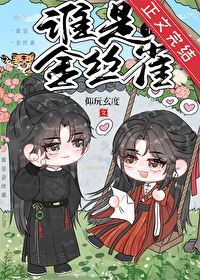
Who Are You Calling a Canary? [Transmigration]
+Add to Custom List
Sort
Add review
... Read More
I just — I have to talk about the dialogue in this because the author has given Pei Xiting a voice that is SO distinctly his own and I adore it. The man speaks in layers. Every sentence he says has at least two meanings running underneath it, and he delivers them with the casual ease of someone ordering breakfast. "Perhaps it was because I glanced at him at the moment he jumped down." — Crown Prince, being effortlessly cool about literally seeing through an assassin's disguise with his eyes. Pei Xiting's response: "You can ward off the enemy with your eyes? That's cool." And then immediately after, pivoting to wonder if the assassins offer a buy-one-get-one-free service. This boy's brain moves at the speed of light and never in a straight line. Every time. And the humor! "They even distribute uniform clothing" said about a murder organization like he's commenting on a corporate dress code. The tonal whiplash from assassin violence to fashion critique is genuinely masterful — it's exactly how someone copes with trauma by making jokes about it. Then there's Yu Shaoyun, who operates on an entirely different frequency. His explanations are clean and efficient — the golden chamber mechanism, the cipher lock, the distribution of expert assassins — and he delivers them without the performative vulnerability that Pei Xiting brings to every conversation. That contrast between their voices is what makes group dialogue scenes electric. Three people in a room and you can instantly tell who's who without a single descriptor. The Crown Prince barely says anything most of the time and yet his presence dominates every exchange. He asks one question — "Do you really want to see me?" — and it restructures the entire conversation. That's voice economy at its finest.
... Read More
I need to think out loud about the courtesy name request because on the surface it is this polite almost bureaucratic exchange but underneath it is one of the most intimate things that could happen between two people in this world. A courtesy name is given once in life and used for a lifetime. It is not your birth name — it is the name others use to address you with respect and affection. By asking the Crown Prince to give him one, Pei Xiting is essentially saying: I want you to be the person who defines how the world sees me. I want our connection to be codified, permanent, recognized by society. This is not casual. This is structural. The painting becomes the second major symbol. Pei Xiting could have painted the rain — the Crown Prince asked for rain, after all — but he paints the painter's muse instead. The artwork becomes a record of desire rather than landscape. When he tells the Crown Prince that the person in the painting is both the most eye-catching and the most captivating, he is confessing through artistic choice rather than words. The brush and ink prove preference, as the narrator notes, and that proof is permanent in a way that spoken words are not. Then there is the rain itself as symbol. Rain in Chinese literature always carries多重 meanings — renewal, sorrow, separation, cleansing. Here it creates a enclosed world where normal rules don't apply. In the rain, Pei Xiting can be bolder. The Crown Prince can be softer. Their private conversation is shielded by weather. And then the arrows tear through that protective curtain, showing us that the outside world — politics, danger, assassination — cannot be kept out even by romantic atmosphere. The hibiscus flowers remaining closed throughout the scene is such a small detail but it matters. Unopened potential. Desire not yet fully realized. And then violence interrupts before anything can bloom.
... Read More
I need to talk about the dialogue in these chapters because wow. The banter between Pei Xiting and the Crown Prince is absolutely elite. Like, this is the kind of back-and-forth that makes me reread passages out loud just to appreciate the craftsmanship. The whole "Brother Fu" thing is comedy gold. Pei Xiting casually upgrading him from formal title to informal nickname while also testing whether he's everyone's Brother Fu or just his — that is SO much subtext in what looks like casual conversation. And the Crown Prince's response? "What's the difference?" Deadpan. Ruthless. I screamed. Then Pei Xiting gets genuinely jealous over Chun Sheng — "If you were to be his 'Brother Fu,' I would be a little unhappy" — and tries to play it off like it's no big deal. The fact that the narration tells us he's RUBBING AN EMPTY WATER CUP casually while admitting jealousy? Chef's kiss. That's not just dialogue, that's character acting through speech. And the ending exchange where the Crown Prince says "when you're being beaten, shout a little louder. It'll help me relieve fatigue" and Pei Xiting just mutters "pervert" — THIS is the kind of dialogue that defines a series. Every line crackles. Neither character sounds like the same person, yet they sound like THEY sound. Pei Xiting is all deflection and hunger (literal and otherwise) while the Crown Prince is ice with occasional smiles that hit different. I also love how the author uses dialogue to do double duty. When Pei Xiting says "I'm a respectable person; I don't do frivolous things" right after being at Little Spring Garden — that's not just humor, that's character establishment. We learn who he is through what he claims, and more importantly, what he's clearly NOT claiming. The only minor note: some of the translated phrasing feels slightly stiff in places, but the ENERGY carries it so hard I barely noticed. These two could discuss weather and I'd still be invested.
... Read More
I need to think about this trio dynamic because it's fascinating. You have three people in that room who should be enemies but end up... cooperating? Kind of? First, there's the masked man and Pei Xiting. They barely know each other. The masked man is a professional assassin who gets hired to steal a weapon. Pei Xiting is... whatever he is now. But they communicate with almost telepathic efficiency. The masked man asks for the dagger, Pei Xiting hands it over. No questions, no betrayal, just默契. This trust forms in seconds and it's startling. Then there's Shangguan Jie, the villain who gets taken down by his own arrogance. The text makes it clear he's used to people 'trying their best to climb into his bed' and this is the first time someone fought back. His rage is palpable—his expression 'like gushing magma'—but he's been outplayed completely. The most interesting relationship though is the one between the masked man and the 'original' Pei Xiting's memories. The assassin says 'When unable to protect oneself, being too good-looking is also a fault.' He thinks he's talking to the weak Pei Xiting who blushed while speaking softly. But he's wrong. The real fault isn't appearance—it's that Pei Xiting 'resembles his second brother, Pei Jintang.' This reveals family dynamics, possibly a rivalry or shared trauma that shaped both brothers differently. I'm wondering: What happened between these brothers? Why does the second brother matter? And why does the current Pei Xiting have memories of someone else's life? The relationship between the original Pei Xiting and his brother must be significant to the overall plot. This feels like the beginning of a much larger mystery.
... Read More
I just finished these chapters and my heart is still racing. The pacing here is absolutely masterful because on the surface NOTHING is happening. Two guys are eating wontons at a street stall. But the tension is so thick you could cut it with a knife. Watch how the author builds this: starts with Zhao Fan SPOTTING Pei Xiting — immediate hook. Then the Crown Prince's disguise/acting skills establish he's dangerous. Then the wonton ordering scene gives us breathing room and warmth. Then Zhao Fan reveals his family backstory — and suddenly we're getting personal. The conversation about Sifan and the Duke's forbidden love story acts as this clever proxy for discussing Zhao Fan's own situation without him having to admit anything. And the real masterstroke? The chapter ENDS on 'In the original story, Zhao Fan's romantic inc' — it cuts off mid-sentence like a cliffhanger from a TV show. I am NOT READY. The author basically hit me with a narrative bomb and then disconnected the phone. What original story? What romantic inclination? Who is narrating this?? The pacing from casual street food to family trauma to marriage avoidance to NARRATIVE META-COMMENTARY in four pages is insane. I went from 'aww cute wonton scene' to 'WHAT IS HAPPENING' and I have no regrets.
... Read More
'The yellow oriole sings to itself, but the yellow oriole before him cannot.' I need to sit with this name for a moment. Ying Ziyu. The name literally means 'oriole talking to oneself.' An oriole is a bird known for its song, its beauty, its voice. But this one cannot sing. Or perhaps it can, but only to itself, in private, because the world has never allowed it to perform for an audience that appreciates it. The water-green pouch with the lotus pattern embroidered on it connects to the opening scene—the lotus scent, the lotus imagery in the brothel. But here, the lotus appears as art, as craftsmanship, as something created with skill and intention rather than consumed as decoration for pleasure. The pouch becomes a bridge between two worlds: the world of forced performance and the world of genuine expression. And those calluses on Ying Ziyu's fingers—Pei Xiting notices them immediately and reads them correctly. Not from needlework, but from holding a brush. The marks of his true craft, hidden beneath the marks of his current degradation. This is the central metaphor of the chapter, I think: people being valued for the wrong things, their true skills overlooked, their bodies treated as commodities while their souls remain untouched. 'The sky will be higher, the land will be wider, and you will have more time to wield your brush.' Pei Xiting does not promise freedom. He promises space. That is the deepest form of respect.
... Read More
Okay so this whole hunting party sequence is seriously where things start clicking into place. We get this attempted murder attempt on Zhao Yi using that banned "horse colic" medicine on his horse, and honestly the whole investigation scene with You Zong is handled really well. He's methodical, asking the right questions, making people recount their movements — standard procedure but it grounds the whole thing. What I love is that this isn't just some random attack. Someone specifically wanted Zhao Yi hurt or dead, and the fact that he was separated from Prince Ning by wild boars, lost his guards, and his horse suddenly went crazy — it's all very carefully constructed. And then the imperial edict showing up so fast? That tells you the Emperor is watching and already involved somehow. You Zong's line about "venomous stings are hard to guard against" is such a perfect understatement for what basically was an assassination attempt. But the real plot meat comes after the dust settles. Zhao Yi inviting the Pei brothers to his fish tank and art supplies — that's not just friendly, that's plotting future alliances and favors. Pei Jintang getting a cinnabar fish and Pei Xiting getting painting supplies? These are seeds being planted for the story to grow on. And that brief mention of Prince Zhao being away in Yejing but with a notorious reputation — that's basically a ticking time bomb the author is warning us about. Every piece connects. The horse tampering, the banquet organization, the Imperial presence, the looming threat of Duke Wen's mansion drama — it all weaves together tighter than I expected.
... Read More
I need to talk about Pei Jintang first because honestly his scene was the emotional peak of these chapters. Pei Xiting just hands him two hundred taels and says “help me look after my yiniang.” His brother's face—envious, confused, but he takes the money and says “I'm here.” That's family love right there, even if they're not super close. And then Pei Jintang following the carriage shouting “Don't get swindled out of your pants!” I actually laughed out loud. But it also made my chest hurt a little because Pei Xiting hasn't even said goodbye to his parents and that's because he's avoiding them. He says “It's getting late” but really he doesn't want to face Father Pei or listen to Wang-shi's lectures. The weight of that is heavy. And then there's the whole Qing Lingling thing—Pei Xiting has financial dealings with someone called Qing Lingling and his own brother is like “when did you get to know him?!” What is going on with this guy's secret life? Also the Pei Xiting / You Zong dynamic keeps giving me feels in this quiet way. You Zong waiting a whole night to travel by carriage instead of horseback just so he can use Pei Xiting as cover—that's dependency. That's him relying on someone. And Pei Xiting understanding it immediately and not making a big deal out of it? These two are building something real and I'm here for it.
... Read More
'The horse's hooves are raising dust, but it is still clean and beautiful, pitiful and lovely.' This line about the flower hit me like a small hammer. I keep thinking about why the author chose this exact moment for it. Pei Xiting is walking along a road, stops to look at some pale yellow flowers, and somehow sees a painting in them. The detail about the horse hooves raising dust but the flower staying clean — theres something quietly tragic about that. It feels like a metaphor for everything hes going through without ever stating it outright. Then you cut to Shangguan Jie whipping Wang Yelai until his shoulder bleeds and the contrast is almost violent. One scene is soft and golden, the next is red and sharp. And then the fish tank scene at Zhao Yis mansion — the cinnabar fish swimming in water so clear you can see the white cup reflecting red back at them. The author builds worlds through objects instead of exposition dumps. I dont know much about these characters political situations yet but I know exactly what the world looks and feels like. Thats skillful writing.
... Read More
Okay so can we talk about how smart Pei Xiting is here? After You Zong stops him from confronting the attacker, he immediately grabs a broom and starts this whole dramatic act—eyes turning red, looking aggrieved and angry, yelling he's going to beat Yuan Fang up. But You Zong clearly sees right through it. This isn't some naive young master throwing a tantrum; Pei Xiting is playing a role, and he's good at it. The author really likes giving us characters who operate on multiple levels. Then there's the whole setup with the portrait. Pei Xiting wants to use it to find someone, Yuan Fang wants to protect Po Yinlin, and the Crown Prince is somehow connected to all of it. Wang Yelai sent someone to kidnap Pei Xiting—which seems random on the surface, but the fact that they haven't even spoken much makes it feel like there are deeper strings being pulled. The Pixia Mountain incident is referenced too, which means this is part of a larger web. What's interesting is how You Zong positions himself. He kicks the attacker hard enough to cause internal damage, takes charge completely, and then says something surprising: "No need to make another trip. I'll summon Wang Yelai to Longhe Division and question him personally." Pei Xiting is confused because his mother only asked Aunt Leng to put in some good words, yet Lord You is going above and beyond. That gap between what was requested and what's happening? That's where the plot tension lives. You Zong has his own agenda, and we're not fully in on it yet.
... Read More
'Has this plum blossom sleeve arrow appeared in any other crime scene since the 15th year of Xining until now?' 'He was already convicted of murder.' — this exchange between Pei Xiting and Lu Mang is so naturally investigative. No one pauses to explain things to each other like they're reading from instruction manuals. They just... talk. And Pei Xiting's voice is distinctly different from everyone else. When he says 'My mind is in a mess' after laying out his theory, it's this perfectly understated moment of vulnerability from someone who's been sharp and analytical the entire time. Meanwhile Yuan Fang's dialogue is so effortlessly casual it's almost comedic. Describing a murder suspect's facial features like he's ordering at a restaurant—'The mouth is a little thick, just like the meat pie shop owner's'—and then immediately pivoting to 'I'll take you to eat there later.' The author clearly understands that different characters should sound different, and honestly, the banter quality here suggests these people have known each other a very long time. Even the formal investigation dialogue doesn't feel stiff. You Zong's 'It doesn't matter if you are wrong' to Pei Xiting is such a small line but it says everything about how this team operates—ideas are safer than silence.
... Read More
I need to talk about how this chapter CONTROLS ITS PACE. It starts almost lazily—Steward Li reminiscing, Pei Xiting being polite, getting settled to paint. Very calm. Very slow. And then the servant shows up and offers money-making advice and then SCREAMS and runs away like something terrified him. That's a micro-jolt right in the middle of the calm. Then back to peaceful painting and poetry recitation. Then—Fuchuan. Just appears. The pacing shift when Fuchuan speaks is instantaneous; one moment it's quiet introspection, the next it's a conversation crackling with tension. And the chapter ends mid-sentence almost, with Pei Xiting starting to explain something crucial and then... nothing. The author knows exactly when to speed up and when to let you breathe, and that contrast between the languid opening and the sharp, clipped dialogue with Fuchuan makes everything feel more urgent. I read this in one sitting and didn't even notice the time pass.

Leave a comment

You must be logged in to leave comments. or
