The Villain Loaded My System - Reviews

The Villain Loaded My System
+Add to Custom List
Sort
Add review
... Read More
I need to talk about this honeymoon mission because it's not just a funny plot device — it's loaded with meaning. A honeymoon, by definition, is supposed to be the most intimate, vulnerable, unguarded time two people share. And the system is literally telling Gu Xiyu to use that as a tactic to neutralize a man who has spent his entire life being surveilled, controlled, and manipulated by his father's posthumous plans. The irony is almost too sharp. There's this recurring symbol throughout these chapters of phones and data — the mobile phone call that starts everything, the employee app login that becomes evidence, the private data accounts that get confiscated. Information is power in this world, and every character is either hoarding it or desperate to get it. Ji Chen's phone becomes a metaphor for his entire life: something that connects him to the world but also exposes him to control. When he hands over his devices for 'safekeeping,' he's symbolically surrendering his autonomy, and he knows it. The system itself is another layer of symbolism I can't shake. It claims to calculate the best path for stabilizing the world's fate line, but its methods are deeply personal — forcing intimacy, manipulating emotions, turning love into strategy. Is the system actually trying to help, or is it another version of Ji Yan's control, just with better UX? The book keeps asking whether free will exists when every choice is being predicted and guided. And honestly, that question haunts me now every time Ji Chen makes a decision.
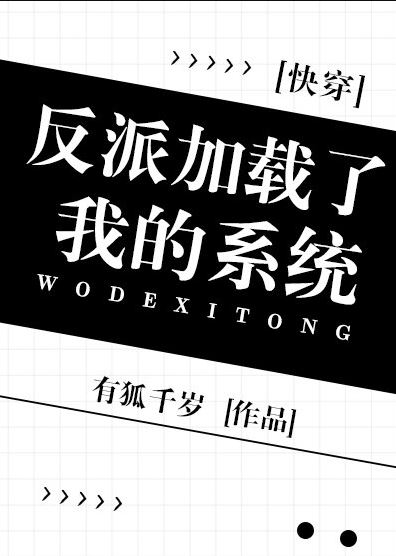
... Read More
"Xixi." Just that. One syllable that sounds like GXY's name, and suddenly everything shifts. I keep coming back to this moment because it's so casually devastating. Ji Chen says it like he's been practicing. Like his mouth just... knew what to say before his brain caught up. And Gu Xiyu? He's taken aback. The cat jumps down and walks toward Ji Chen like it has a purpose, and Gu Xiyu is left holding nothing but confusion. There's this weird intimacy in the way they interact. Ji Chen tells him he can live in the apartment, hands him the cat's care instructions like this is normal domestic couple stuff, asks him to feed Xixi every day. Meanwhile Gu Xiyu is just... existing in this stranger's space, wearing a dark cotton-padded jacket with his collar high, looking "very obedient and easy to control" according to the narrative. But we KNOW he's not easy to control. The system gave him a mission. He has objectives. And yet here he is, being told what to do by a man who looks at him like he's measuring something. The electric moment isn't the collar pull—it's the silence after. When Ji Chen's eyes lose all warmth and turn cold, and Gu Xiyu realizes the person in front of him is someone else entirely. That dissociation between the intimate and the indifferent? That's the emotional core of this relationship. They're playing roles around each other. Ji Chen performs affection then withdraws. Gu Xiyu performs submission then pushes back with that "cooperation" line. And somewhere in between, two people who barely know each other are accidentally revealing who they really are. I'm not okay.
... Read More
Let me just say — the atmosphere in that conference room scene is absolutely palpable. You can feel the HVAC humming, see the fluorescent light reflecting off the polished table, hear the sales department head's voice trailing off into silence as he realizes nobody's listening. Ji Chen sitting at the head of the table, dark expression, not blinking, and the entire department is internally calculating which of them is about to get fired. This is a man whose silence carries more weight than most people's shouting. And then the phone lights up and breaks the spell like a stone through glass. The contrast between the sterile corporate environment — market survey data, targeted consumer groups, quarterly reports — and the deeply personal underneathcurrent of everything happening is what makes this world feel lived-in. It's not a generic business setting. You can feel that Fengming Group is Ji Chen's empire, built from nothing six years ago, and every person in that room knows it. The fact that the system dumps biographical data mid-meeting while Gu Xiyu is supposedly out 'doing recon' tells you something about how permeable these boundaries are between his mission life and his cover life. One minute he's reading about stock percentages and R&D teams, the next he's seeing Ji Chen's blood type and getting a knuckle-sized photo that's basically an insult. The world-building here operates on two frequencies simultaneously — the grounded corporate thriller layer and the weird supernatural infiltration layer — and they somehow never clash, they just sort of vibrate against each other like two tuning forks. It creates this constant low-level unease that I think is exactly what the author wants.
... Read More
Okay we need to talk about the KISS scene because I literally dropped my phone. Gu Xiyu just... grabs Ji Chen by the collar and kisses him. Not some soft romantic moment—this is calculated. He's trying to drop the risk value like it's a stats game. But you can feel the realness underneath it, right? The text says it was the first time Gu Xiyu took initiative like that, and Ji Chen's reaction isn't rejection, it's stunned silence, then this little smirk and the most chaotic "Baby, I'm in a meeting" comeback. I SCREAMED. Also Ji Chen not turning off the meeting mic?? Who does that?? His colleagues are probably still recovering from hearing that exchange. But then—and this is what really got me—the next chapter shows Gu Xiyu avoiding Ji Chen for days because he was so embarrassed. And Ji Chen doesn't push, doesn't mock him for it, just sends these weirdly tender messages like "Don't worry, no matter what happens, I won't hurt you." And Gu Xiyu responds with sarcasm about sending him to jail, but it reads like affection, not actual hostility. This push-pull dynamic is EVERYTHING. They're playing these roles—one trying to control a dangerous person, the other pretending to be the menace— but the subtext is just two people who are genuinely scared of hurting each other. And then the hotel scene where Xixi the cat literally ushers Gu Xiyu to Ji Chen like a furry cupid. Ji Chen in a wheelchair saying he sits in it to recall his suffering so he stays strong. That's not vulnerability—that's Ji Chen being Ji Chen, wrapping his pain in something almost performative. But then he admits his biological father ruined his legs. That's the first time he's said it out loud, and Gu Xiyu just... hands him flowers. No words. Just 99 roses in the dim light. I'm not okay.
... Read More
This chapter had me sitting up straight. First, the He Rong moment — that elevator scene where the guy is beaming like he just won the lottery and Gu Xiyu is just sitting there like "oh god, not this"? The system dump hit me hard: the original owner made this poor kid run laps and copy homework. And now Gu Xiyu has to navigate that? He plays it cool, says "Okay" to lunch, and honestly I think that's the most authentic thing he's done all chapter. He doesn't owe He Rong anything, but he also can't pretend that version of himself didn't exist. Then there's the Chen Jin situation. Like. What even IS this? He's feeding a cat together, going to meet family... and we just found out the Chen family calls him "Fifth Young Master" but some other guy said he was the SECOND young master?? The math is not mathing, fam. Is Chen Jin lying about his identity? Is someone else lying? Or is this some elaborate cover story that's starting to crack? I need answers and I need them NOW. The way Gu Xiyu described his fake marriage too — "He's not anything special, I'm just doing charity" — came out so casual but I swear you could HEAR the self-awareness underneath it. He knows how ridiculous this arrangement is, and he's choosing to lean into it anyway. That's not nothing. That's a person making a choice with their eyes open.
... Read More
I need to talk about the moment Gu Xiyu picked up that piece of steak and fed it to Ji Chen. Ji Chen who was "obviously a little angry"—and just... opened his mouth. Like a bird. Like he'd been waiting his entire life for this exact moment. And then Gu Xiyu just went back to eating like he hadn't just completely disarmed someone. The narration even says "That piece of meat given by Gu Xiyu felt a bit sweeter than what he had just eaten." SWEETER. The author didn't even try to hide it. And Ji Chen's internal monologue right after—"His mood couldn't get better by only eating that piece of meat. Of course, if he could eat someone... someone's meat then... hahaha" BROKE ME. This man is so transparent and so hungry for affection it physically hurts. Then later in the hotel room when Ji Chen brings up honeymoon stuff and Gu Xiyu innocently asks "with your current mental state, are you sure you still have the energy?" and the narrator just goes "------" I was wheezing. The sexual tension here is so thick you could cut it, but it's wrapped in this ridiculous banter that makes it even better. Every time they almost touch emotionally, something funny happens.
... Read More
I went in expecting another generic corporate revenge plot and somehow ended up emotionally compromised by a romantic comedy dressed in business suits. Here's what happened. Ji Chen is sitting there, processing the fact that his dead father outmaneuvered him one last time, and the system drops this mission that seems completely unhinged — go on a honeymoon with the target. My first reaction was the same as Gu Xiyu's: absolutely not. But then the system says something that stopped me cold: "Actually, he is also very tired to live like this." It's such a simple observation but it reframes the entire emotional architecture of the story. Ji Chen isn't a villain or an obstacle — he's a person who has been fighting wars on every front and nobody has ever once asked if he's okay. "Perhaps if you can make him happy, he might not deal with the Ji family." This line is doing so much work. It's suggesting that the driving force behind all the scheming and revenge isn't some grand ambition but essentially loneliness and grievance. Remove the pain, remove the motivation. It's almost too psychologically realistic for a novel that involves corporate equity transfers and mysterious systems. The romantic tension between Ji Chen and Gu Xiyu isn't built on grand declarations or dramatic confessions. It's built on this tiny moment where one person hands over their phone and the other takes it without celebration — just cold calculation meeting cold calculation, and underneath it all, both of them knowing they're the only people who truly understand what it means to be controlled by forces larger than themselves.
... Read More
I need to talk about this moment and how it completely recontextualizes everything. "Sorry! I can only give you this flower now. I will definitely give you a better gift if I have the opportunity in the future." And then the system goes "The target's risk value is -5." Gu Xiyu gave a literal flower and the Great Demon King's threat level DROPPED. This man was planning to build him a high-level magnificent prison and instead? He's receiving a single red rose like it's Valentine's Day. The fact that Gu Xiyu subconsciously reaches for something in his pocket afterward — I swear that's the USB drive — shows he's always carrying that secret agenda while simultaneously being genuinely sweet to the person he swore to destroy. And then Ji Chen just says "For me... it's enough." Like he genuinely doesn't need anything else. Meanwhile Gu Xiyu is over here mentally constructing prison architecture. This dynamic is chef's kiss.
... Read More
Okay so let me just say — the author took three completely separate threads and dropped them into the same kitchen at the exact same second, and honestly? Masterclass. You've got the love letter revelation (Fu Nian finding Gu Xiyu's old confession), the latte art disaster (the little tiger cracking open right as things go sideways), and Ji Chen casually leaning against the doorframe eating biscuits like he's in a commercial. Three moments, one room, maximum damage. What I love about this scene structurally is how the tension builds in layers. First it's just Gu Xiyu being peaceful, grinding coffee, finally finding some quiet — and then BOOM, Fu Nian drops the bomb. Then Gu Xiyu is still processing, trying to figure out why the original owner never mentioned this in the diary, and then... Ji Chen. Still chewing. Still there. The system even chimes in with "He heard it all" like the universe itself is laughing at him. The genius part? Gu Xiyu's internal panic about Ji Chen's risk value spiking to 80, and then later dropping to 78 after that weird car conversation. The plot keeps ticking forward even in silence. And that ending where Ji Chen essentially says "I hope you go get caught being unfaithful at this party" — that's not a threat, that's a setup. I'm convinced the Si Ji hotel party is going to be a major turning point. The author is laying a trap and we're all walking into it.
... Read More
Let me be honest—when I first saw the exposition dump about the Great Demon King and the fragment system, I was ready to skim. And you know what? The author actually makes it work by compressing it. Instead of dragging it out over three chapters, they stuff it all into this one rapid-fire sequence where Gu Xiyu is literally just washing his face and people are shouting background lore at him. 'Isn't that the world where one of the fragments of the Great Demon King is?' Casual, right? Like they're commenting on the weather. Then we cut to the director's office, the deal is struck, and suddenly Gu Xiyu is in a modern city. The transition is jarring in the best way—we go from bureaucratic sci-fi to a guy walking through snow in a shirt ordering iced coffee. The pacing here is like the story is taking a deep breath and then immediately throwing you off a cliff. And the ending! 'Currently trying the seventeenth time, the recovery of the system numbered W-XH3771... the recovery failed!' Cut to black. This is textbook cliffhanger structure and it works because the author has been building tension the whole time. We know this world is dangerous, we know the Director is desperate, we know Gu Xiyu made a deal with the Lord God—and now the one thing that was supposed to keep him connected to the Administration is gone. The stakes just went from 'probably dangerous mission' to 'completely isolated and possibly doomed.' I immediately opened the next chapter.
... Read More
Okay let's talk about the masterclass in dramatic irony happening in this chapter. The family directors think they've brought in a wolf to fight another wolf. They're literally telling Ji Chen "we support whatever you say" because they want him and Ji Zixuan to tear each other apart so they can pick up the pieces. Classic villain comedy energy, and the author knows it—they describe them as "cunning villains who were encouraging ambitious treacherous official to seize the throne" and I was literally laughing out loud. But then Ji Chen does the one thing nobody expects: he defends Ji Zixuan. Not fully, not generously, but enough. He buys him another month. He takes on the role of mentor/advisor publicly while privately he's clearly plotting something else entirely. This is the setup for a payoff that's going to wreck someone. The stakes are crystal clear: one month. If Ji Zixuan can't fix the chaos, the impeachment happens. But what IS the chaos? Corruption within the group, insiders playing both sides—that's the surface problem, but the real rot is Ji Chen's existence as a shareholder with a grudge and a timeline. And then Gu Xiyu connects the dots about Cheng Qianqian being used as leverage in Country F. So the whole power grab wasn't organic—it was engineered through someone else's suffering. That detail alone reframes every interaction we've seen between these characters so far.
... Read More
"If the target's risk value at this stage is above 80, it is highly likely that he will be blackened by the emotional breakdown caused by successive setbacks, and then trigger the plot of 'destroy.'" This is the system literally confirming that every single person at that gala dinner could die. Fengming's been publicly destroyed, Ji Chen has been smeared, and now we're told the entire small world is about to collapse. The atmosphere here is suffocating—the news dominates every screen, the rival companies are circling like vultures, and Gu Xiyu is completely shut out of the real situation while trying to hold onto his task. What hits me most is how isolated both of them feel despite being physically together. Ji Chen goes out at night to handle things alone. Gu Xiyu watches from his apartment, refreshing social media, helpless. The system even describes Ji Chen as "poor, weak, and helpless" which is such a brutal description of someone who's literally building an empire from ruin. The world-building here is tight—every detail reinforces the pressure cooker environment. This isn't just a romance story; it's a ticking bomb and we're watching the timer count down.

Leave a comment

You must be logged in to leave comments. or
