I need to talk about how the author controls the rhythm here because it's genuinely masterful and I don't think enough people are talking about it.
The chapter opens with this almost comedic beat—the parking attendant refusing extra money and complaining about promises. It's light, it's funny, it's basically a palate cleanser. Then Yao Jinxi rides off on his bike and Wu Yang takes a taxi to the tea shop. These are transitional moments, the kind of thing authors usually rush through, but the author slows it down just enough that you feel the mundane reality of it. This is real life between the big moments.
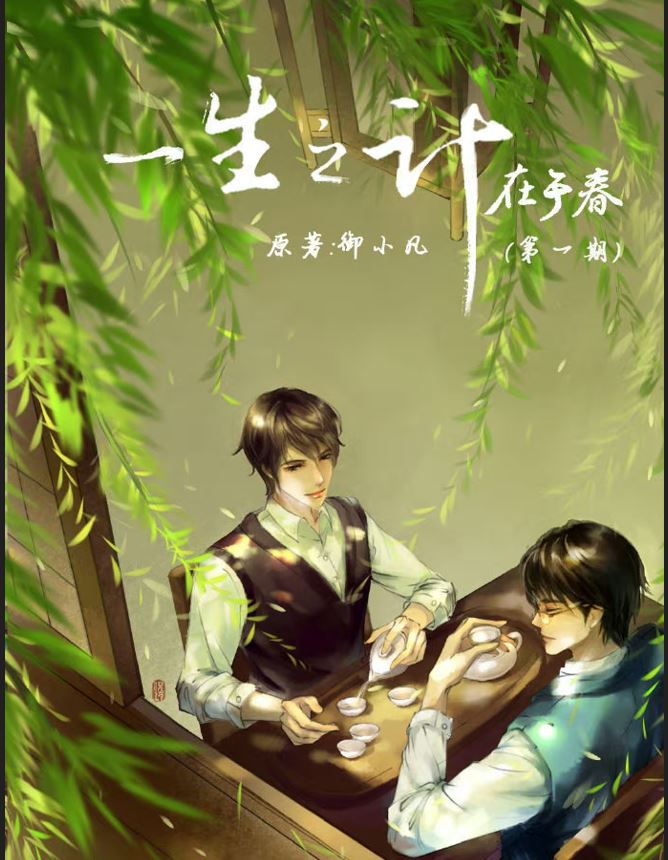
Then the reunion scene. The author PULLS THE BRAKES. Everything slows down. 'A sensation, as if his heart had been struck, surged in his chest. He suddenly realised that what he had been yearning for might be just like this.' Time stands still. We linger on Yao Jinxi's smile, his sparkling eyes, Wu Yang's fixed gaze. This is the emotional core of the chapter and the author gives it space to breathe—no rushing, no next chapter preview, just pure presence.
After that peak, the author immediately pivots to exposition. The tea business, He Qi's payment, casual banter about selling tea. The tension deflates and you think, okay, we're back to normal life. Comfortable, easy. And then—BAM. The girl with the boyfriend. The private detective. The concert night revelation. The pacing goes from zero to sixty in the span of a few lines of dialogue.
The chapter ends on 'Yao Jinxi was taken aback, instantly understandi'—cutting off mid-sentence. A cliffhanger that isn't even trying to be dramatic, it just… stops. Like the narrator also needs a moment to process what they just read.
That's three distinct movements in one chapter—comic relief, intimate stillness, domestic ease, then moral shock—and the transitions are invisible. You don't feel them coming.