I need to talk about Talata for a second, because this character wrecked me. She's this pink-haired, dramatic, apparently idiotic princess who spends the whole chapter acting like a spoiled brat—puffed cheeks, grumbling, playing the fool—but then we get this one line: "He told her to die with honor. To a girl he could've easily saved—even now, if he so wishes."
And I just... stopped reading for a minute. The Emperor, her father, sent his own daughter into impossible battle, knew she'd probably die, and let her go anyway. And Talata— Talata apparently knows. She's sitting there pretending to be dumb, but she's watched this play out before. The fact that she clings to the Emperor afterward instead of running away? That's not ignorance. That's trauma bonding, or maybe just love so deep it's become pathological.
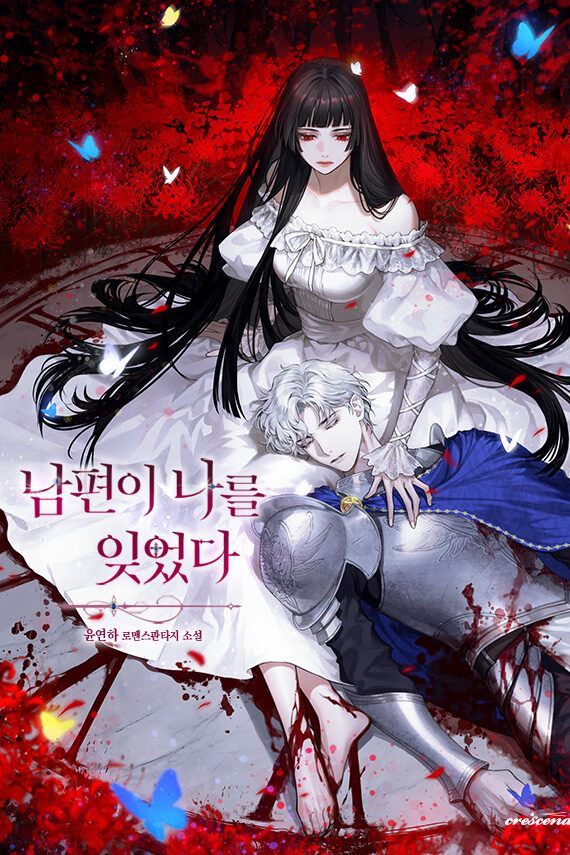
Then there's the whole dynamic between Anankeus and Chronosa. On paper, it should be simple: captor and prisoner, enemy soldier and holy warrior. But the way the text describes her—"maddeningly beautiful," "those strangely mournful, emotionless red eyes"—and then his physical reaction, the fever transferring to his hands when he holds her down? That's not just attraction. That's something messier. He's aware of it, which is why he forces himself to ignore it and responds with a threat instead.
And Chronosa's silence is the loudest thing about her. She can't speak—her vocal cords were cut, her tendons severed—and yet every moment she's on the page, she's communicating. When she signs "Why do you keep me alive?" and then "I hold no value"—that's not weakness. That's someone who has been stripped of everything and is still trying to understand why she hasn't been allowed to die.
The relationship between Anankeus and the Emperor is fascinating too. It's built on genuine trust and shared ideology, but it's also transactional. The Emperor gives Anankeus purpose; Anankeus gives the Emperor loyalty. And when the Emperor says "I trust in your deep-rooted steadfastness," he's not lying. He genuinely believes Anankeus will do what's asked because that's who Anankeus is.
But here's what I can't shake: the Emperor also says "I wish that male to be you"—meaning he wants Anankeus to be Chronosa's partner during her frenzy. He's assigning intimacy as a tool of war. And Anankeus... Anankeus doesn't refuse. Not outright. He bows his head in silence, which in this context reads as compliance, even if his heart isn't in it.
Talata's relationship with her father is the most tragic one in this entire batch. She loves him, he's dying (or already dead in some emotional sense), and she has nowhere else to go. I'm already dreading what happens when she finds out the truth about Gulgalta.