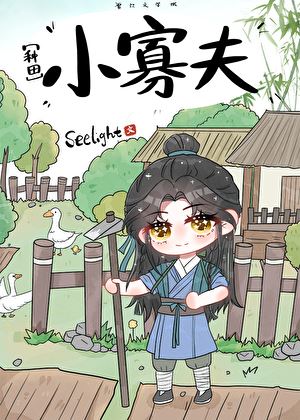
The atmosphere in these chapters is thick — literally. You can feel the summer heat pressing down, the sweat, the lethargy that comes with working the land in high temperatures. The author doesn't just describe setting; they make you inhabit it.
Zhou Yuan's house is a fascinating architectural statement. From the outside, it's blue-brick, grand even. But inside, there's only a bed. This contrast between exterior appearance and interior emptiness mirrors Zhou Yuan himself — built, solid, but hollow within. The matchmaker's enthusiastic tour of the house while Zhou Yuan looks "out of place" creates a delicious visual irony. She sees prosperity; he sees only a structure without a home.
The well scene is where worldbuilding truly shines. Two figures carrying buckets, stopping to rest, the roadside as a social intersection — this is village life rendered in motion. The physicality of labor (heavy buckets, hot sun, tired legs) grounds every interaction. When Zhou Yuan effortlessly carries two buckets while Chen Qing and Li Xin struggle, it's not just character detail; it's a statement about who these men are through their relationship to physical work.
Chen Qing's room described through Zhou Yuan's memory — the bamboo curtain, cabinet, vanity, camphor wood chest — creates a vision of domestic warmth that Zhou Yuan's own space lacks. This contrast between spaces tells us more about emotional interiors than any monologue could.
The wilderness memories Zhou Yuan has of digging roots with his grandmother invoke a different kind of landscape — one of survival, poverty, and loss. This geographical memory Haunts the present scenes, connecting past and place in ways that make the setting feel layered with history rather than merely decorative.