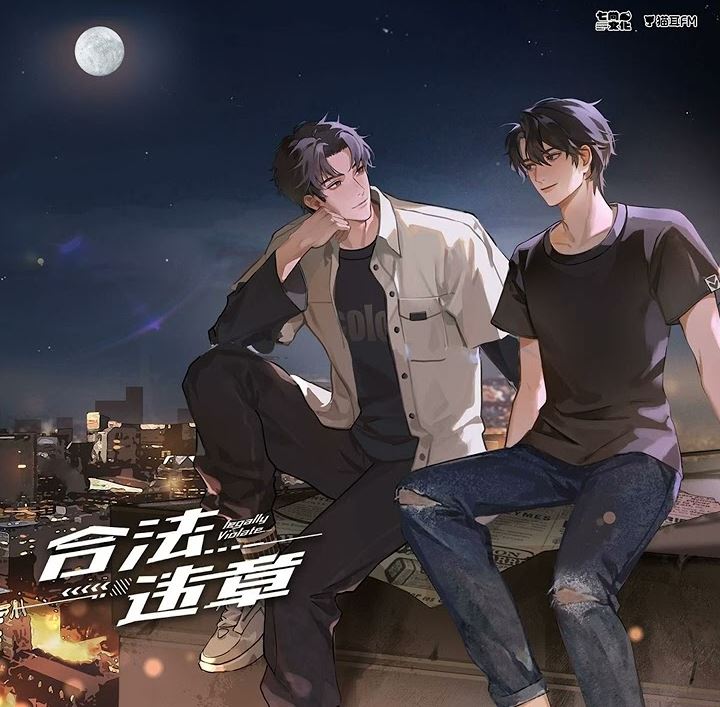
This chapter is dripping with symbolism and I only just started noticing how layered it is. The pig tail is the most obvious one—childhood desire, lost time, the impossibility of going back. 'But he would never grow taller' isn't just about physical height; it's about the impossibility of returning to innocence. The names-as-fate motif is everywhere: Lan Zhou's name becomes a noodle brand, then cigarettes, then a city. He Qing's name sounds like noodles too, so he wants to become 'He Daoxiao' (road rice/noodles). Names are identities, and the characters are all struggling with what they contain. But the deepest symbolic contrast is between the two types of 'family' the chapter presents. Feng Tang's childhood friends chose each other—they're a family of laughter, soda in bars, shared scratch cards, and mutual support. Feng Lulin's family, by contrast, is a CLAN with strict rules, a family tree, a clan leader hierarchy, and his father wielding absolute power. Feng Lulin standing at that school talk with his red scarf, fists clenched, eyes filled with 'defiant challenge'—that's not a boy listening to his father's speech. That's a hostage. The imagery of the old alley courtyards passed down through generations contrasts so sharply with the open, casual warmth of Feng Tang's world. One family is built on blood and control. The other is built on choice and spontaneity. And Feng Lulin is trying to bridge both worlds with Feng Tang.