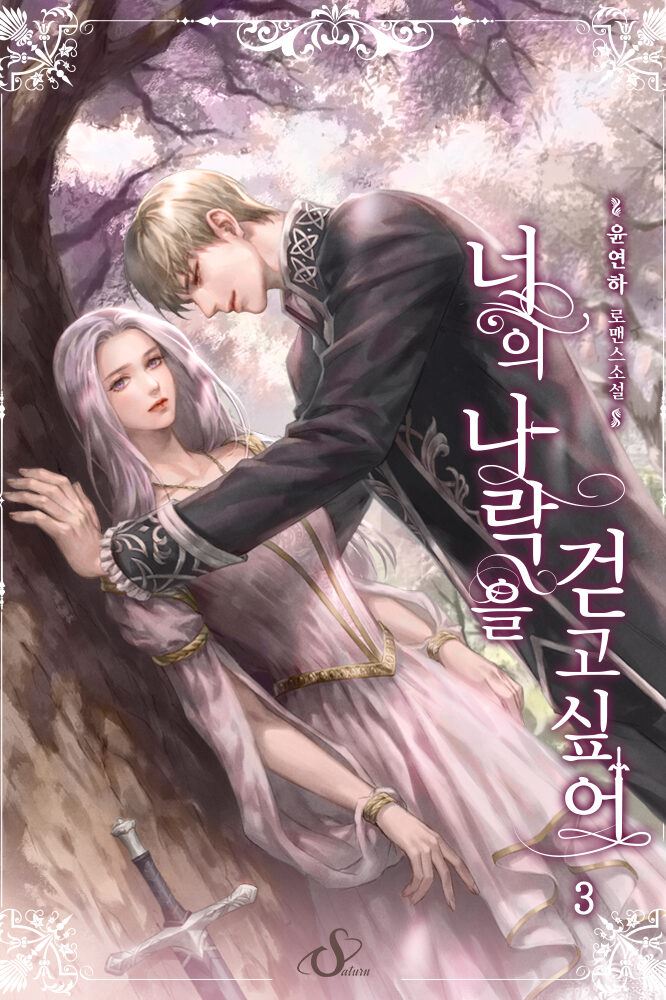
I need to stop and just appreciate how this book SOUNDS. Like, the narrative voice itself is a character. Violette's internal monologue has this haunting, almost dreamlike quality—her sentences often trail off, she repeats phrases for emphasis, she questions herself constantly. It reads like someone thinking out loud in the dark, which is perfectly appropriate because that's basically what the entire book feels like.
Take this exchange with Suki, who is honestly my favorite character by virtue of existing:
"W-W-Who are you?!"
"That's a bit harsh. It's only been five years, have you already forgotten me? Don't tell me you've gone senile."
COMEDY. Absolute comedy. D'Hiver—a being feared as a monster, a transcendent entity—gets scolded like a teenager who came home past curfew and his reaction is just… running a hand through his hair like "yeah okay, I hear you, Suki." The humor lands perfectly because it's so human in a story full of immortal beings.
And the sword's voice? Completely different register. When it speaks, the prose shifts. Shorter sentences. More weight. "Violette Silcania. Yes… it has been a very long time since a child worthy of wielding me has appeared." There's this archaic formality to it, this distance that contrasts sharply with D'Hiver's intimate, breathy closeness. Two beings speaking to Violette in two entirely different languages—one as lover, one as something older.
The author never lets the prose get pretentious though. Even in the most intense emotional moments, the language stays grounded in physical sensation: warm breath, rough skin, trembling lips, the texture of hair between fingers. That's what makes it work.