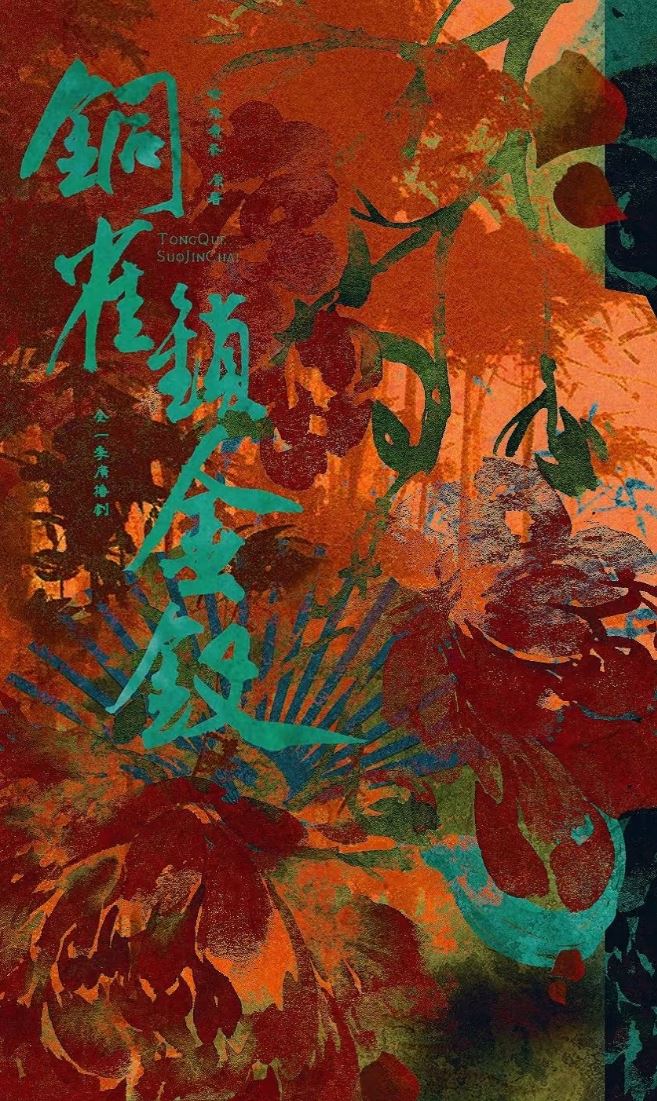
"The back door of the Governor's Mansion was typically kept closed and locked from the outside with a tiger-head lock... the copper had now rusted and become slightly tarnished." I love how the author uses this doorway as a character itself. It's not just a plot device—it's loaded with history, superstition, and dread. The Feng Shui master warning about bloodshed, the key being burned, the lock positioned on the *outside* so no one could open it from within. This is a door designed to keep things *in*, not out. And now it's been pried open, and someone walked through it into a corpse.
The atmosphere in these chapters is thick enough to cut with a knife—which, coincidentally, is how the Governor was killed. "Today's sky was gray, and the air was a little humid, which made him feel uncomfortable." That single sentence does so much work. It's not just weather; it's mood. It's the oppressive weight of a case that won't stay solved, the physical manifestation of Duan Yelin's growing unease. The humidity makes everything feel sticky, trapped, like the mansion itself is holding its breath.
And the forensic details! The graphite used to lubricate the lock, the black powder falling from the keyhole, the fingernail-sized patch of peeling paint revealing scratches underneath. These aren't throwaway descriptions; they're the author building a world where every surface tells a story, where evidence speaks louder than confessions. The Governor's own body becomes a landscape of contradiction—bleeding out but also poisoned, weak from chronic mercury exposure yet somehow killed by precise surgical cuts. Even the cinnabar revelation feels like stepping into a different genre entirely. This isn't just a murder mystery anymore; it's a story about alchemy, about substances that heal and harm depending on dose and intent. The world here is dense, layered, and deeply atmospheric.