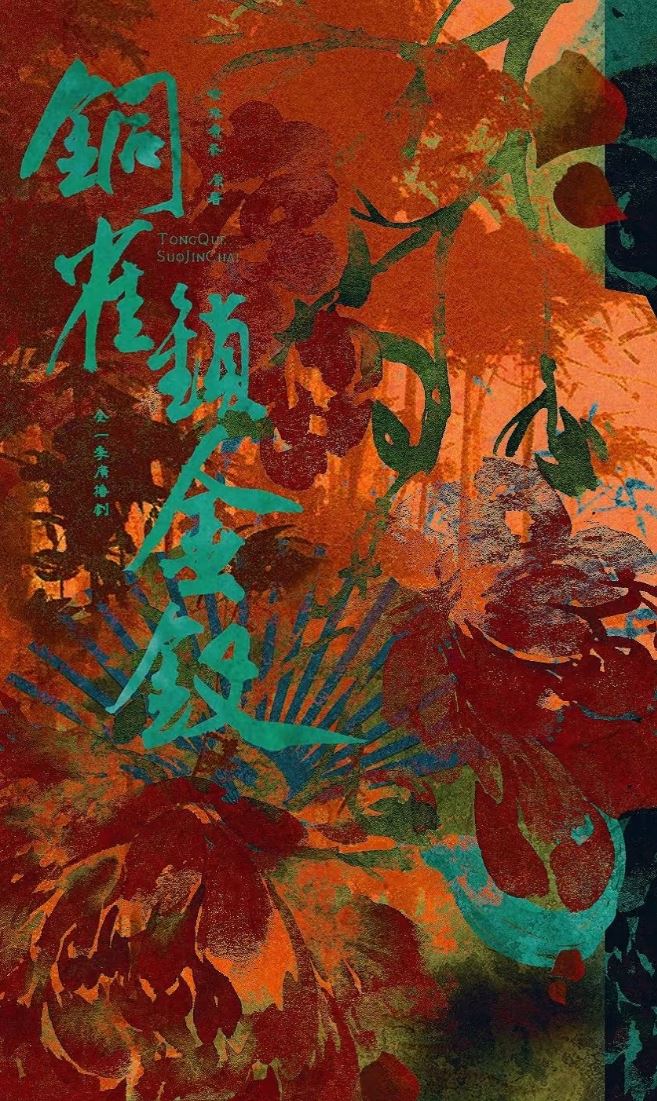
This section is where the whole narrative structure snaps into place, and honestly, it's devastating. The way the author circles back to that shooting range memory right after Cong Wei's death is masterful. First, we get the tender, almost comical facade—Cong Lin pretending to be incompetent, Duan Zhanzhou's sporadic kindness, the illusion of a perfect couple. Then, BAM. The wedding night dagger. The pivot from potential romance to fratricide is so sharp it feels like a physical blow. The plot doesn't just move forward; it doubles back on itself, revealing that every gentle moment before was already poisoned by Cong Lin's hidden past and unspoken love. The structure here is all about ironic juxtaposition. The 'perfect couple' image is immediately shattered by the brother's blade. And then the aftermath—the torture, the suspicion, the lingering question of whether Cong Lin was ever just a pawn or something more—isn't presented as a linear descent but as a series of relentless, brutal revelations. Duan Zhanzhou's arc from wounded fiancé to vengeful torturer to someone who ultimately spares his life (again) feels inevitable yet shocking. The tension isn't just 'will they catch the spy?' but 'what exactly is the nature of this betrayal?' The ending with Yuan Sen's anger and the unfinished anti-bandit campaign leaves a loose thread that promises more political intrigue, but the core emotional plot—love, loss, guilt, and punishment—feels complete and brutally resolved. It's a masterpiece of tragic irony.