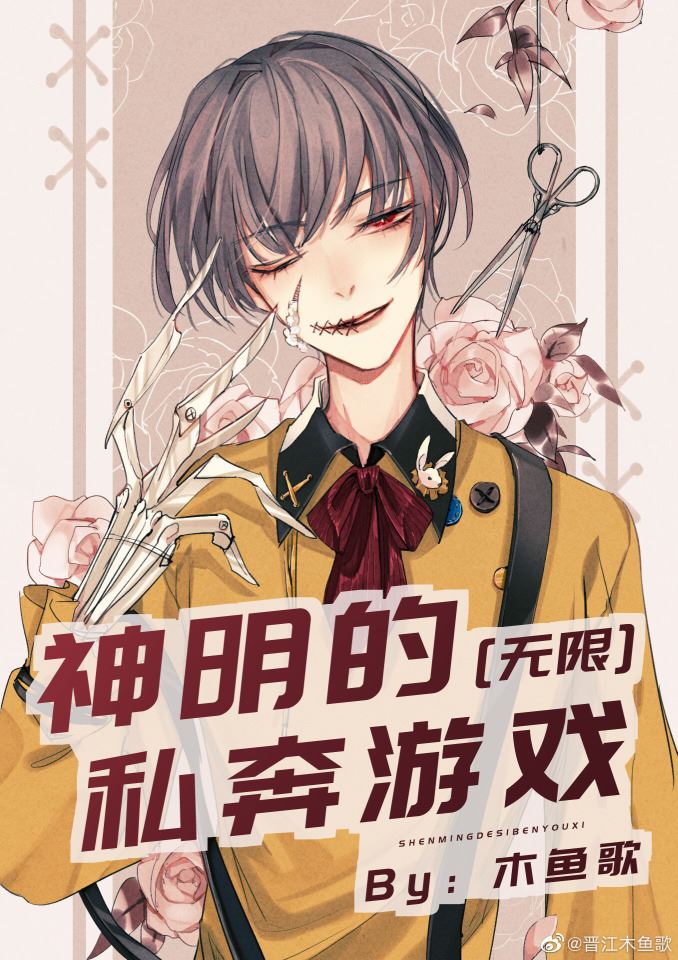
The pacing in these chapters is a masterclass in building dread through contrast. It starts with this frantic, almost comedic energy. Jiang Chao is struggling to speak slowly, Xiangnu is making sharp deductions, there's bickering about who will protect whom. It feels like a puzzle being assembled in real-time. Then, just as you get comfortable with the banter, the author slips in the horror. The description of the corpse's wound, the idea that the man was a puppet all along, the fear that the parasite could fly out and find a new victim. The shift is subtle but devastating. The conversation about making guests undress for inspection raises the stakes immediately. It's invasive, uncomfortable, and necessary. Then comes the decision to send Jiang Chao to the Ghost Taoist. It feels like a leap of faith, a desperate gambit. And right when you think things are stabilizing, when Jiang Chao is walking toward the fourth floor with a plan, the ending hits. The inspector emerging, staring, and following. No dialogue, just that icy gaze. It's a perfect cliffhanger. The tension snaps tight. All that previous chatter about strategies and protections evaporates in the face of an immediate, silent threat. The author knows exactly when to speed up and when to slow down. The rapid-fire dialogue gives way to the slow, heavy walk toward danger. It's breathless. I found myself wanting to skip ahead just to see if Jiang Chao would be attacked, but also wanting to linger on the uncertainty. The structure mirrors the parasite itself—controlled, deliberate, but with sudden, violent outbreaks. It's relentless.