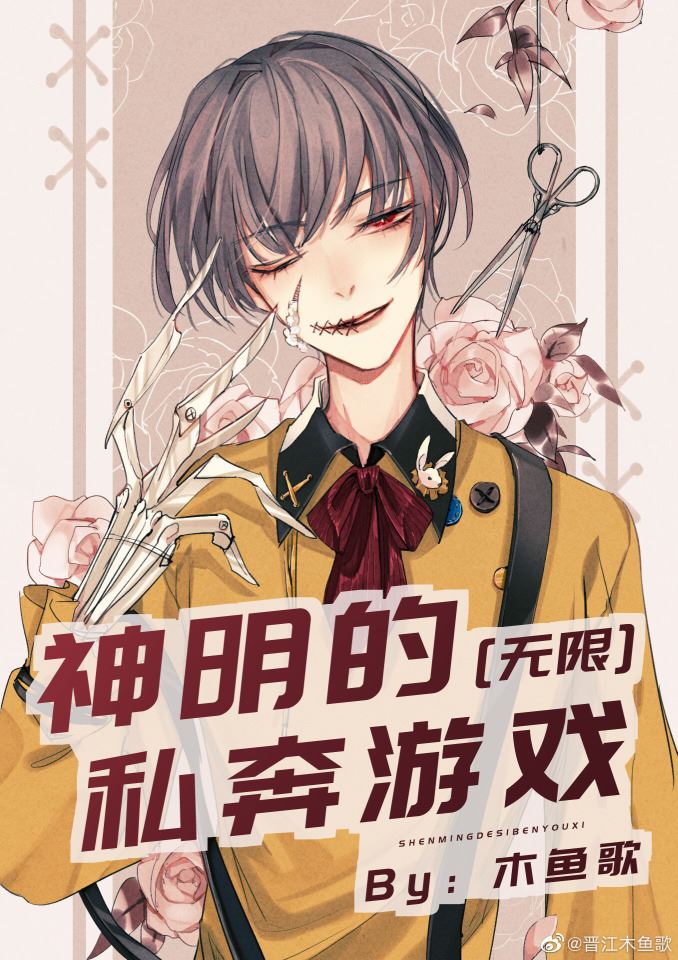
Let me just say this upfront: the dialogue in this passage is genuinely excellent and I don't throw that word around lightly.
Five characters + Xiangnu = six distinct voices. Six people talking about the same puzzle and each one sounds like a completely different human being. That's not easy. Most authors give all their characters the same vocabulary with different names attached. Not here.
Xiangnu's voice is quiet, observational, slightly self-deprecating. 'Does it read 'seconds'?' — this tiny aside about Miao Dong's name is SO him. He's making small talk while internally spiraling about his own reflection. The humor is dry, almost accidental. He's not trying to be funny; he's just existing and the funny moments happen around him.
Zhong Liyun is sharp, structured, already three steps ahead. Her three-point theory about the sequence is delivered like a thesis defense. No fluff. No 'um' or 'I think maybe.' Just: first possibility, second possibility, third possibility. Elimination.
Ding Zeming is the responsible older brother type but with this undercurrent of... something. His dialogue is economical. 'Don't talk nonsense.' 'Little Junior Brother, you should change your clothes.' He speaks in commands and observations, never in rambling thoughts. Everything he says has a purpose.
Miao Dong is pure comic relief energy but earned — his 'Brother Ding, stop looking' line is perfectly timed and lands every time. He's the audience surrogate, saying what we're all thinking.
Shu Jian and Jiang Chao? 'I think this arrangement makes sense.' 'Okay.' That's it. That's ALL they have. But it WORKS. Their minimalism is its own voice. They're the quiet ones, the watchers, the ones who haven't revealed themselves yet. And the author trusts us to sit with that silence instead of forcing them to perform.
The narrative voice itself is interesting too — it's third-person limited, hovering mostly around Xiangnu's perspective, but it dips into other characters' thoughts when it matters. When Ding Zeming looks at Xiangnu, we briefly get inside Ding's head (he finds Xiangnu 'pitiful'). When Xiangnu reflects on his appearance, we get his internal monologue raw and unfiltered. The author knows when to stay close and when to pull back.
One small note: the transition from Miao Dong's name joke to the serious discussion is slightly abrupt. A beat of breathing room there would help. But honestly? That roughness might be intentional — these people are in a survival scenario, they don't have time for smooth transitions.