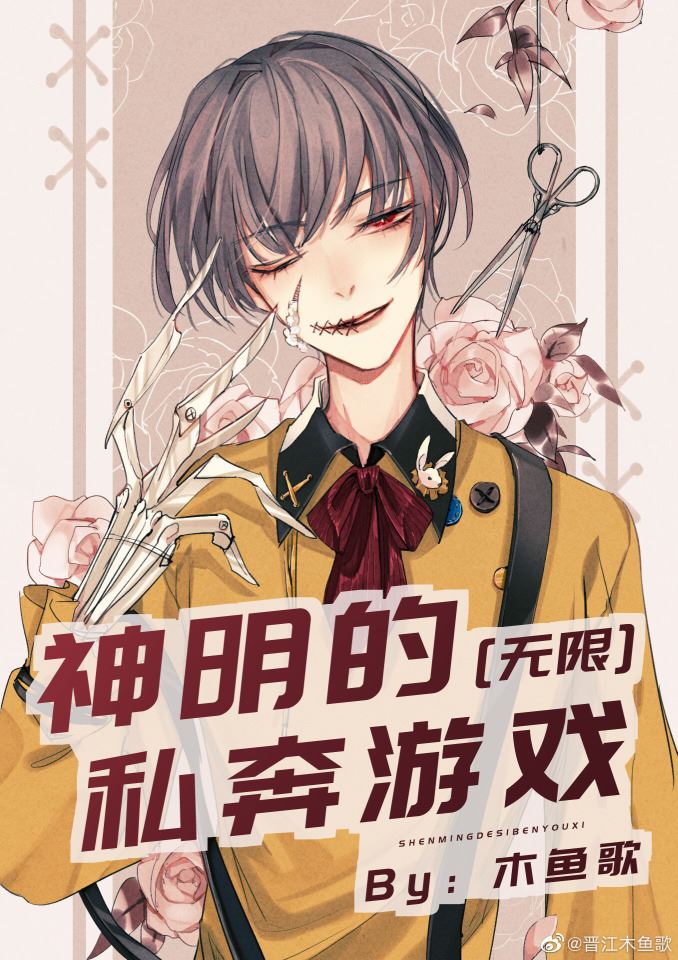
The dialogue in this section is razor-sharp. Each character speaks in a way that reveals everything about their personality without needing exposition. Xiangnu's lines are slippery, manipulative, always testing boundaries. "Because some people say that the middle-aged man died a long time ago... but actually, he should have just died a short time ago." He leads with a hook, then drops the deduction like a bomb. His question to Yu Su about protecting his "little puppet" is delivered with a voice "sweet and intoxicating as honey." It's weaponized charm. Jiang Chao, on the other hand, is blunt, exasperated, and deeply insecure. "In public, flirting is not enough, isn't that weird enough? No, shame on you!" He's voicing the reader's thoughts. His internal complaints are hilarious and heartbreaking. Even his hesitation to ask for help reveals his pride and fear. Yu Su is the quiet storm. He barely speaks, but when he does, it cuts through the noise. "It's not time yet, he won't kill people here." Cold, factual, reassuring in a terrifying way. The author gives each character a distinct rhythm. Xiangnu's sentences are winding, speculative. Jiang Chao's are fragmented, anxious. Yu Su's are short, weighted. The banter between them feels natural because it's rooted in their conflicting goals. Xiangnu wants control, Jiang Chao wants survival, Yu Su wants... something ambiguous. Their exchanges crackle with subtext. Every line about the parasite, the bodies, the fourth floor is also a line about trust and betrayal. I especially loved the author's interjection at the end: "Jiang Chao: Dog food is hard to eat, stinky, and shameless." It breaks the fourth wall in a way that highlights the absurdity of the emotional chaos. The dialogue isn't just moving the plot forward; it's building a relationship dynamic that's painful and wonderful to watch.