Arrogant Regret - Reviews

Arrogant Regret
+Add to Custom List
Sort
Add review
... Read More
Okay so first of all, I need to just sit with the fact that Stella's wedding night ends with her husband literally leaving because HE was the one who got overwhelmed, not her. Like, she's sitting there in this translucent silk robe, completely terrified, and Kalian is the one who can't handle it and just... walks out? And then the next morning she looks in the mirror and says 'Ha, now I feel like I can live' — which is such a weirdly powerful line because on one level she's relieved the pressure is off, but on another level it reads as her having to convince herself she's fine. And what about that moment when she asks about children?? I literally gasped. She goes from 'please fasten your robe you're showing your stomach' to 'actually, should we include a children clause?' Like the pivoting is incredible. And his response — calling her a courtesan, touching her lips, saying 'fine I'll write it in' — it's so possessive and weird and I couldn't look away. Then the morning after, Mrs. Karen's entire vibe is just radiating hatred. Three separate times Stella notices those glares and it broke my heart a little. This woman is already an outsider in her own new home and even the staff is hostile. Meanwhile Kalian shows up at the social club drunk because he can't stop replaying her trembling face in his head. That's not indifference, folks. That's obsession disguised as something else.
... Read More
There's a parallel between the worthless salt mine and Stella's situation that I can't stop thinking about. House Ambrose wants to reclaim a mountain that seems valuable on the surface but is actually empty—just like how the marriage to Duke Rochester seems like a triumph for them but is actually a cage. Both are illusions of worth. But the deeper symbol is Stella's heart itself. The text says it repeatedly: "Somehow feeling something hard stuck in one side of her chest, Stella pressed her chest area." "I really need to fold this heart somehow." "Why are you making it hard for me to give up?" Her heart is this physical, aching thing she can't control. And it's especially cruel because she KNOWS she shouldn't feel this way. She knows he hates her. The contract proves it. And yet every act of kindness unravels her resolution a little more. The wedding contract itself is the ultimate symbol—on paper it promises three years, then freedom, then security for her and her family. But the words are designed to MISLEAD. It looks like a safety net but it's actually a trap. And the king is reading it too, trying to decode it. So the contract isn't just between Kalian and Stella—it's a weapon, a puzzle, a political tool. And Stella, sweet naive Stella, is at the center of all of it. She wants to buy blankets and candles for her family while the adults around her are playing games with mountains of gold and political power. Her simplicity is both her vulnerability and her moral compass.
... Read More
I NEED to talk about this scene with Kalian because my heart is actually physically pounding. Let me set this up properly. Stella is on the street, being dragged by some man who claims she broke his heart and ruined his finances. She's terrified. The crowd is judging her. And then Kalian—her future husband, basically a stranger—steps in and saves her. For a moment, readers might think, okay, knight in shining armor, this is the start of something tender. And then HE SAYS: 'With such a beautiful face... just how many men have you bewitched?' STELLA JUST LOST IT. He wipes her tears like it's this gentle, intimate moment, and then immediately follows up with pure contempt. The cruelty of it is staggering. But what's interesting is his motivation—he's protecting the narrative. If Stella has baggage from the past, it threatens the marriage arrangement. He's not saving her out of kindness; he's managing a problem. And yet. And YET—he didn't have to show up. He could've walked away. He could've let her handle it. The fact that he did step in, even if his words were vicious, means something complicated is happening underneath. Stella's reaction too—she doesn't just accept his accusation. She genuinely pleads 'please believe me.' She's desperate for his trust. That's the real tragedy here. Two people who are supposed to be building a partnership, and already they're operating from opposite wavelengths. She wants connection; he's playing chess.
... Read More
"I'll do it." Two words. That's all it takes. Stella's internal battle, the entire emotional arc of this chapter, condensed into a resignation so quiet it's almost invisible. The pacing here is masterful in how it manipulates reader hope. We get these little pockets of light — the doctor says Mary's fever isn't serious, Sanderson comes back cleaned up and excited about horseback riding, Baizel pretends he'd let Stella refuse if she truly couldn't bear it. Each moment makes you think, maybe, maybe this won't be as bad as it feels. And then the author yanks the rug out again. "However, if you refuse this marriage, it will be hard to expect days like today anymore." The structural genius is in how the chapter mirrors the novel's larger pattern: brief warmth, then cold reality. Stella reads the barometer of her family's suffering like a navigation tool. Mary's improved breathing. Her mother's likely recovery. Sanderson's education. All of it comes with a price tag attached to her own body and future. And that final image — Stella tossing and turning, unable to sleep — is the perfect structural button. The chapter doesn't end with dramatic resistance or tears. It ends with the quiet, private horror of someone who just sold herself and knows it. The pacing forces you to sit with that discomfort, just like Stella has to sit with it every night from here on out.
... Read More
Okay so the entire arc builds to THIS moment and I am NOT okay. Let me walk through why this chapter structure is honestly genius. Kalian goes to see Stella with those enlightenment documents in his pocket — you know the ones, where he expects her to bow and say thank you for being useful. But then he sees her. Really sees her — standing there, having failed to 'clean up properly,' still entangled with that old lover who cried about betrayal. And he just... leaves. No confrontation. No drama. He literally watches a little girl playing, gets reminded of a fairy-like child from his past, closes the window, and drives away. That's the plot twist no one saw coming: HE COMES TO ANNIHILATE HER EMOTIONALLY AND CAN'T EVEN DO IT. The envelope stays in the carriage. Then cut to the wedding — and oh my god, the wedding IS the plot climax. But here's the thing: everything about it is WRONG. The guests are openly mocking her taste. The Grand Madam won't defend her. And Stella, in that bridal waiting room, is having a full existential crisis about whether she'll even get the duchess's room or be relegated to some spare closet. But then Sanderson shows up. And BOOM. New subplot drops: the entire Ambrose family has been parasite-villain-coded this whole time, and the only person who sees Stella as a PERSON is her little brother. His line — 'Don't come back home!' — hits like a truck. It reframes everything. The wedding ceremony itself? Cold. Mechanical. Kalian signs first without hesitation. Stella takes THE PEN FROM HIM to sign next. That detail matters. She's asserting something, even silently. And the final image — his hand holding hers firmly throughout, never letting go, warm despite everything — sets up an absolutely delicious tension for what comes next. The plot just went from 'marriage of convenience' to 'what the hell is actually happening here?'
... Read More
Okay so this entire stretch starts with this almost painfully sweet moment. Stella gets this gorgeous new mansion, her kids are running around laughing for the first time ever, and the countess is literally crying tears of joy. The king 'bestowed' it all upon them out of kindness. But here's the thing that's been nagging at me—Stella's bitter smile every time her mother thanks the king. She KNOWS the truth. Her father made them lie about it. The king didn't give this out of mercy; there's a whole transactional setup happening that we're being slowly fed pieces of. It's brilliant misdirection. The author makes you feel warm and fuzzy alongside Stella, then drops this cold bucket of water. And then just when you think the chapter might stay in this golden-hued territory, BAM—the guy on the street appears. Someone she supposedly scammed? Letters? Broken engagement? This completely shatters the fairy-tale mood the author had painstakingly built. It's not just a plot twist, it's a tonal earthquake. The structure here is deliberate—build up the domestic happiness, make us believe the king is genuinely good, then undercut it on two fronts simultaneously. What's fascinating is that Kalian shows up right at the climax of Stella's panic. Is he there by chance? The text implies purpose—he says 'I came today because I had something to say to you.' So the rescue might be a setup for something darker. Classic romance novel manipulation, honestly.
... Read More
"Extra! Extra!!" — and the whole city holds its breath. But Stella? Stella doesn't even stop walking at first. That detail got me. The princes are dead and she's already calculating how long the shop will stay closed. The emotional architecture of this opening is devastating. Stella is carrying three separate weights: poverty, family responsibility, and a love that has aged poorly. All three are collapsing at once. Her relationship with her siblings is painfully real. The way she softens when Mary runs to her, the tired patience with Sanderson, the guilt about buying bread she can't afford to eat — this is a girl who has been an adult far too young. The children aren't ornaments; they're the reason she can't afford to break down. And then there's the Duke. Oh, the Duke. The passage that hit me hardest: "Extra, Extra!! A boy wearing a pressed-down hat raised his voice. Under the dark sky that seemed ready to pour rain at any moment, newspapers fluttered ceaselessly." That sky is basically Stella's interior state. The unrequited love for Kalian is described as something that "had become somewhat pathetic because she couldn't let go even though she knew she had to end it." Pathetic. Not tragic — pathetic. She knows it's beneath her and she can't stop. That's not romance; that's addiction. But the most heartbreaking moment is quieter. Her father saying "I wanted you and your siblings to somehow escape from this hell" while she's standing there, still holding lilies she bought on credit. Two generations of exhausted people trying to protect each other with nothing. The romantic tension hasn't even started yet — she hasn't even spoken to him in ten years — and I already want to shake both of them.
... Read More
Okay so I need to talk about the Baizel scene because WOW. Kalian gets summoned by this greedy uncle type, walks in, almost LEAVES immediately, and then Baizel literally begs for money for a salt mine. And Kalian KNOWS. He literally thinks to himself: "It was true that a mountain previously owned by House Ambrose had been put up for auction, but that mountain had already been sold long ago. Moreover, the salt vein had dried up long ago." He lets the guy keep talking. He plays along. And then—here's the plot twist I did NOT expect—he actually agrees to lend the money. And internally he's like: "It would be no different from setting fire to House Ambrose. And the fire that consumed House Ambrose might spread and spread until it reached the royal palace. Not bad. Sometimes burning everything down was a good method, wasn't it?" This man is cooking. He's not even mad, he's not even stressed—he's sitting there like a chess master just enjoying the game. And the WORST part? The wedding contract? It was deliberately written to CONFUSE the king. Scattered, misleading, impossible to decipher. Only the divorce clause is real, which is both a lie and the truth at the same time. He's playing three-dimensional chess while everyone else is playing checkers. Also minor detail but Mrs. Karen got sent away SO fast and replaced immediately? That wasn't random, was it? This is clearly part of his larger plan. Everything he does is intentional.
... Read More
Let me just say: the plot twist here is absolutely brutal in the best way possible. Stella thought she had understood the situation. She thought Father was suffering too, that something went wrong and he was forced into this. And then Baizel drops the bomb — they're putting HER up as collateral. For a MOUNTAIN. A piece of land with a salt mine, sure, but still. The realization that her father and uncle had been orchestrating this while maintaining the sweet, pained facade hits like a truck. What makes this scene work so well is the layered deception. First, Count Ambrose can't even look at Stella directly — his silence IS the confession. Then Baizel reframes everything as if it's an opportunity, talking about how it's "not a bad story for you either." Not bad. Stella's life, her future, reduced to a quality-adjusted phrase. And the cherry on top? The King himself arranged this. That means this isn't just family greed — it's political machinery grinding people into commodities. But here's what really got me: the parallel structure between Stella's internal monologue about wanting to believe her father didn't willingly hand her over, and the reality that he absolutely did. She literally pleads with God — "Something went wrong, right?" — and the universe answers with silence. That silence is the most devastating plot beat in the entire chapter. She wanted an excuse to keep enduring. She wanted the old script where she could just grit her teeth and survive. No such luck.
... Read More
The central symbol of this opening is the lily. Not roses — not anything romantic or grand. Lilies. White, funeral flowers, associated with mourning and purity. Stella buys them on credit to sell at a memorial for people who will never know her name, hoping to glimpse the one person whose name she's carried for ten years. There's something profoundly sad about choosing funeral flowers as currency for a dream. The lily is a triple symbol: death (the princes), purity (Stella's untainted devotion), and commerce (something she bought on credit she can't afford). Fire is the other dominant image. The summer villa burns. The princes die in flames. And later, Kalian crushes a newspaper under his military boot — a small, personal fire of his own, trampling grief because it's easier than feeling it. But the deepest symbol is probably the sky. That dark, humid, rain-threatening atmosphere hangs over every scene like a ceiling. It's the mood of a world holding its breath. The succession is uncertain. A fallen noble family is one bad season away from starvation. The princesses are dead. And nobody knows when the storm will actually break — or what it will wash away. The title I'd give this book if I were naming it: "The Weight of Small Things." Because that's what it's really about. Not crowns or thrones, but a tin of tea that doesn't hold enough money, a single flower held to your nose before making a decision, a father's bitter smile, a boy crushing newspapers because he can't afford to care. This is a story about what happens when the grand narrative of royalty collides with the small, daily violence of poverty. And it's only chapter one.
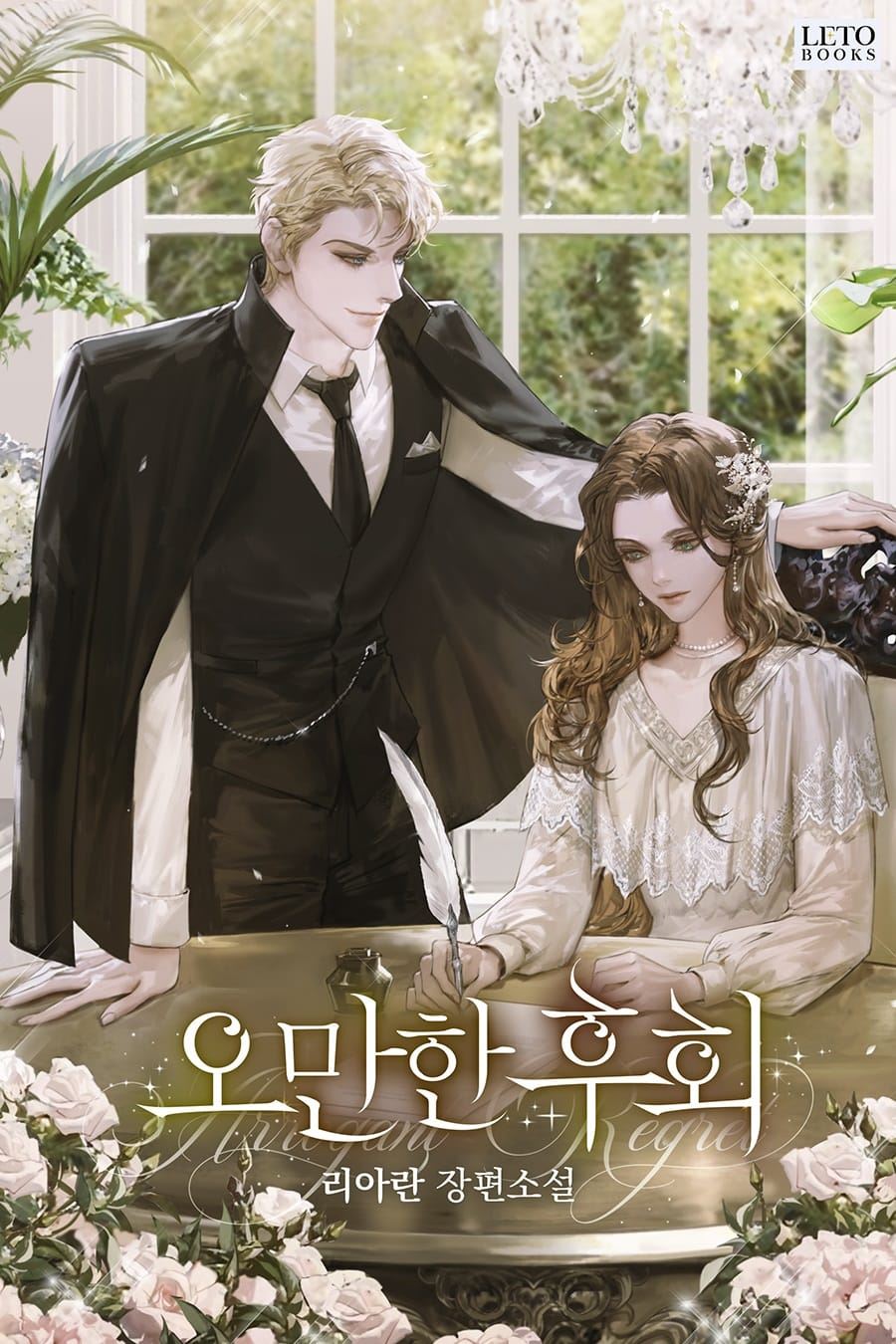
... Read More
Okay, can we talk about how the physical environment in this passage is basically a third character? The house is clearly falling apart — Stella is sitting at an old dining table, her mother is bedridden in the next room, the doctor comments on the need for a clean environment because clearly the current one is lacking. Every detail reinforces the Ambrose family's fall from grace. But what's fascinating is how the author uses the house to mirror Stella's mental state. When Baizel tells Stella about Sanderson's day out — how he got new clothes, learned to ride a horse, saw the world from a different height — that brief moment of warmth and color exists ONLY outside the house. Inside, everyone is sick, dying, bargaining. The only time happiness appears is when it's transactional, purchased through Stella's sacrifice. And the doctor scene! The medicine bottles look expensive at first glance, but Stella immediately calculates their monetary value instead of feeling grateful. That detail alone tells us everything about how poverty warps your instincts. You don't think about health; you think about cost. The remdri grass revelation is another devastating environmental detail — she spent extra money on something actually harmful because it was cheaper and more accessible to poor people. The world the author built here is one where the poor are punished twice: first by scarcity, then by bad information. The mountain with the salt mine hangs over everything like a ghost. It's mentioned but never seen. It's the absence that drives every decision, every betrayal, every whispered negotiation at that old dining table.
... Read More
Mrs. Karen's dialogue in this section is absolutely *chef's kiss* and I need to talk about it because the author gives this woman the rare gift of making her cruelty completely plausible. She never raises her voice, never threatens directly, never even seems impolite on the surface. 'You must not say thank you to the servants.' Said with what? A teacher correcting a child? The subtext is screaming though: 'How embarrassingly common you are.' And Stella's comeback — 'However, it would have been better if you had spoken up early rather than continuing to give me hints with those eyes' — is so clean, so direct, and completely derails Karen's whole strategy. Karen isn't prepared for someone who won't play her game of passive aggression. Then Kalian enters and immediately mirrors her technique with surgical precision. 'Didn't etiquette toward superiors appear in children's etiquette books?' He's using the exact same weapon. That's not dialogue, that's combat choreography. And later when he says 'flashy and beautiful to suit your taste' in her ear — the line between threat and intimacy is so thin you could cut glass on it. Every character here has a distinctly sharp voice. Even the narration has this dry, knowing quality that matches Kalian's internal monologue perfectly.

Leave a comment

You must be logged in to leave comments. or
