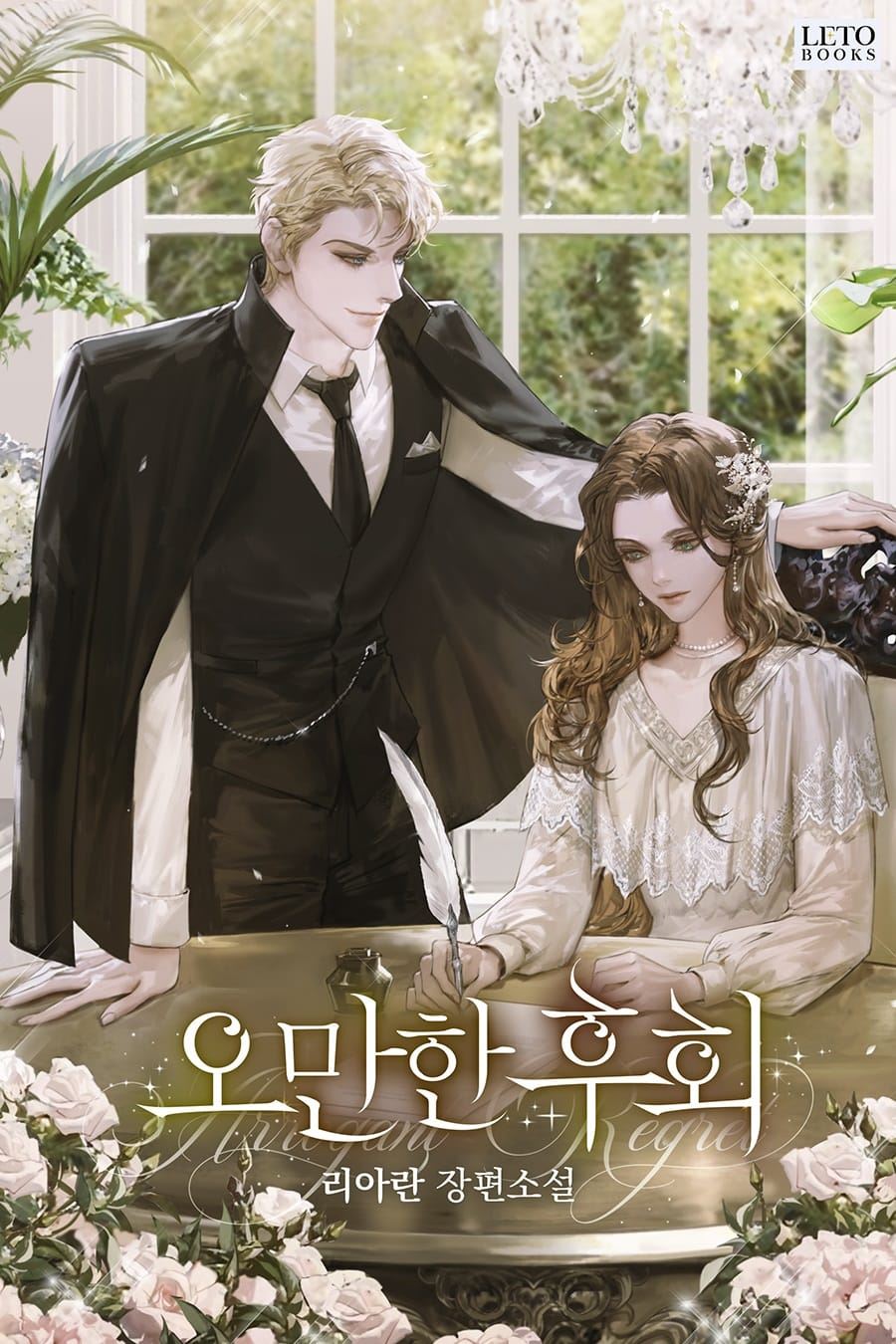
There's so much happening beneath the surface in these chapters and I want to unpack it.
THE GLOVES. Seriously, the glove imagery is EVERYWHERE. Kalian wears gloves — always, everywhere. He caresses Stella's cheek THROUGH the gloves. Then removes them. Drops ONE glove on the dirt road. One. Why one? Because he's removing the barrier between them physically but maintaining emotional distance. The white glove rolling on dirty roads — that's literally Stella. A pristine object deposited in filth, expected to clean itself up. And he picks it back up when he's ready, or leaves it there.
MOONLIGHT. Both StellAS encounter — the fairy-like girl in Kalian's memory with moonlight behind her, and Stella herself sitting alone in moonlight after the wedding. Moonlight as witness. Moonlight as the only pure thing in a world of transactional relationships. The girl in the forest was real — 'if it hadn't been for the warmth he could grasp in his hands.' Warmth. Not magic. Not fairy dust. HUMAN warmth. And now Stella, under the moonlight, is learning the same thing.
THE DRESS. Kalian telling his butler to make it 'as gorgeous as possible, materialistic, and beautiful enough to hide her rotten insides.' The dress as facade. The wedding as performance. Everything about this marriage is about covering something ugly with something beautiful. But here's the irony — the guests are mocking HER taste while being complicit in the same system. They all pretend. Nobody is honest except Sanderson, who is a CHILD.
FIFTY COINS. Stella's inner thought: 'I wanted to marry someone who would love me even if I only earned fifty coins a year.' Fifty coins. The entire Ambrose family has been extracting her labor, her money, her very body for years, and they frame it as love and family duty. The contrast between what she wanted (fifty coins and love) and what she got (a Duke and a gilded cage) is the central tragedy.
THE SIGNING. The marriage certificate that 'condensed the long, long officiant's words' about welcoming, cherishing, following. All those promises of love and devotion reduced to a piece of paper they both sign mechanically. The institution of marriage as empty ritual when there's no actual care behind it.
And yet — the warmth of his hand. Something real persists beneath all the symbolism. That's the theme, isn't it? Even in the most transactional, corrupt, performative situation, human warmth finds a way. However inconvenient. However unwanted by the characters themselves.