After becoming the protagonist’s inner demon - Reviews

After becoming the protagonist’s inner demon
+Add to Custom List
Sort
Add review
... Read More
"Almost, but not quite. Failing to grasp is still failing." I keep coming back to this. It's about Su Baimo reaching for Chu Jinglan and missing. It's about Xiao Mo reaching for understanding and failing. It's about every person in that secret realm reaching for survival and grasping air. Su Baimo is honestly one of the most tragic characters I've encountered and I don't even know if the author intended him to be that. He's just... sad. He cries because he's scared, he clings to Young Master Bian because Chu Jinglan won't hold him, and when Bian dies he doesn't even cry anymore. Not because he's strong — because grief became too expensive. The relationship between Chu Jinglan and Su Baimo breaks my heart in a way I didn't expect. Chu Jinglan says "Before relying on others, you must first learn to stand on your own" and walks away. On paper, this is good advice. In context, it's devastating — Su Baimo is a child terrified of dying, and Chu Jinglan can't bring himself to comfort him. But then Xiao Mo wonders how Chu Jinglan could ever sacrifice himself for someone like Su Baimo, and I realized: maybe that's exactly the point. Maybe Chu Jinglan's sacrifice isn't for the Su Baimo in this moment — it's for the version of Su Baimo he hopes to become, or the version he already loves and can't show it. Xiao Mo's perspective on this is everything. "The more time Xiao Mo spent among them, the less he understood how Chu Jinglan could eventually sacrifice his life for Su Baimo." That's narrator commentary that cuts deeper than any dialogue could. He's watching something he can't process, and that unknowing is its own kind of torture. And Young Master Bian? His death is so understated. He was there one chapter, helping Su Baimo, opening his old wounds, saying "Don't be afraid." Gone by the next. No funeral. No proper goodbye. Just "The young master of the Bian family was dead" — stated like a weather report.
... Read More
The worldbuilding in this section is doing a lot of heavy lifting without ever stopping to explain itself. Let me just walk through what makes it so viscerally effective. We open in darkness. Not just dark—GLOOMY, with massive stalactites dripping water onto puddle-filled ground scattered with strange rocks. It's a cave, but it doesn't read like a cave you'd find in any fantasy novel. The atmosphere is thick enough to taste. Xiao Mo floats in midair, and the first thing we notice is that Chu Jinglan isn't there. The physical absence of his host body creates this hollow feeling that the environment amplifies. The darkness seems endless. He's the only one left behind in the world. Then he flies outward and the world SHIFTs. Sunlight bursts through. Lush vines coil around giant trees like enormous snakes. Two third-rank fierce beasts shriek past—creatures that SHOULDN'T even exist in this realm, which immediately signals that something is deeply wrong with the ecosystem. The transition from suffocating cave to overgrown forest feels like moving from a tomb into a living nightmare. I keep coming back to the meditation sequence. When Xiao Mo closes his eyes to cultivate, the darkness turns BLOOD-RED. The air becomes thick and sticky, hard to breathe. The voices aren't just sounds—they "crash over him like waves." This is the secret realm literally reflecting the inner demon's psychological state. The environment isn't separate from Xiao Mo's mind; it's an extension of it. The cultivation world's mechanics mean that inner demons and their environments are symbiotic, and here we see that symbiosis turned hostile. The forest scenes later are haunting in their emptiness. "Amidst towering trees and deep-rooted grass, he stood utterly alone." The word "utterly" does so much work there. These trees are massive, the grass has deep roots—this is a world full of life and scale, and Xiao Mo is invisible within it. A speck of dust in green darkness. And then the beast scene: wind rushing past, antler-like horns, the simple physical sensation of movement. After days of stillness, even a random second-tier beast becomes an oasis of contact. The author never over-describes these moments. They're brief, almost casual, which makes them hit harder. The world feels alive precisely because it doesn't care about Xiao Mo's suffering. Trees grow. Beasts run. The realm collapses regardless.
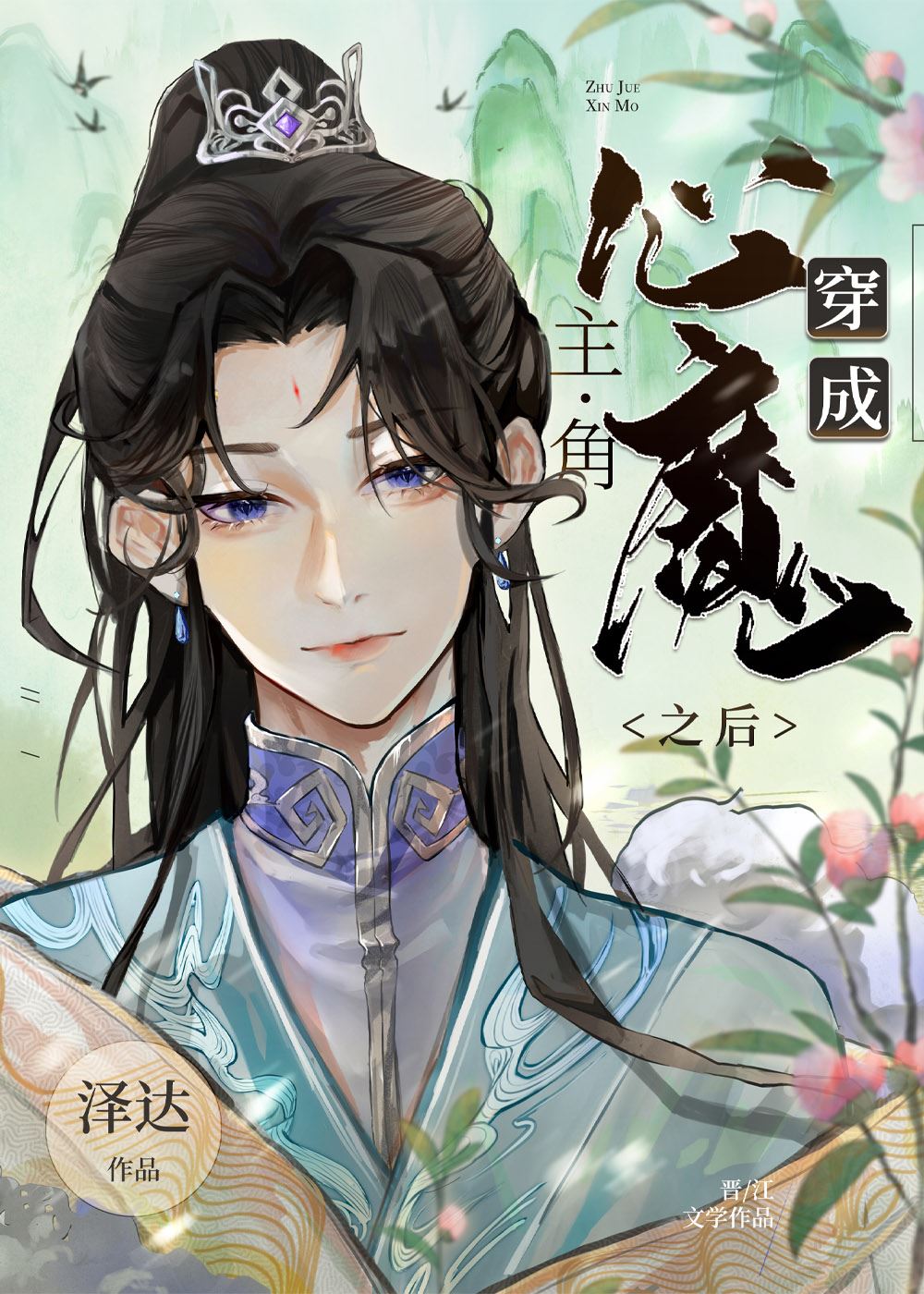
... Read More
"What a beautiful disaster." Xiao Mo's internal commentary when Su Baimo sashays over in that water-blue robe with his cinched waist and sword sleeves—this line is everything. The author doesn't need a single romantic scene between Chu Jinglan and Su Baimo to make you feel the current running between them. Su Baimo runs flamboyantly toward Chu Jinglan while half the noble families are practically radiating murderous intent. Chu Yusheng can't decide whether to stare at Su Baimo's waist or glare at Chu Jinglan's back. The Bian family young master looks at Chu Jinglan like he stole his wife. And Su Baimo—blissfully, devastatingly oblivious—just keeps swaying toward him with his hands behind his back. This is the kind of triangular tension that makes my heart ache in the best way. The fact that Xiao Mo immediately thinks about how unbearable it would be if brothers were fighting over love says everything about how the reader is supposed to read this scene. Nobody else sees it yet, but we do. We see it clearly. The emotional undercurrent here is so rich—Chu Jinglan's isolation ("he didn't have friends to begin with"), Su Baimo's genuine joy at seeing him, the hostile family dynamics simmering beneath polished surfaces. Every glance is loaded. Every whispered rumor is a weapon. And Xiao Mo, perched on that shoulder, is the only witness to the whole fragile, dangerous beauty of it all.
... Read More
Let me tell you about suspense in this story — it's not in battles or danger. It's in the gap between what someone WANTS to do and what they CAN say. Chu Jinglan spent his morning in visible inner conflict — the system literally tracks his microexpressions changing, showing struggle and tension. He went into the sea of consciousness despite knowing he couldn't fight Xiao Mo with his current spiritual strength. He SANK cost into this encounter. And then he got there and just... looked at Xiao Mo and left. That's the tension. That's the stakes. Not 'will he win or lose' but 'will he ever be able to say what he actually means before it's too late?' Meanwhile Xiao Mo is building his whole emotional world around the hope that dinner might be warm. His stakes are existential in the smallest package possible — if Chu Jinglan stops caring enough to cook, does Xiao Mo just... fade? The system points out that Chu Jinglan 'didn't see him over-cultivate' which means the delay wasn't physical exhaustion. It was DECISION. He chose to wait. He chose to go check. He chose to come back and pretend it was nothing. Every meal together is a victory. Every shared silence is a negotiation. And neither of them will ever admit that any of it matters.
... Read More
"Until these two seventeen-year-olds meet—Ha! Watch us scratch each other with cat paws!" I need to talk about this line because it absolutely captures everything about what's happening between these two. They're not enemies. They're not even really adversaries. They're two lost kids who got stuffed into the same skin and neither asked for it. The most emotionally resonant moment in this chapter isn't the arguing — it's the silence afterward. Both of them sitting in their own heads, processing what just happened, and thinking the exact same thing: How embarrassing. That synchronization, that shared shame, that's where the real connection lives. They've never lost control like this before. Chu Jinglan maintains composure around his family elders. Xiao Mo has never had to argue with anyone directly. This forces both of them into uncharted emotional territory. And here's what gets me: the author makes you feel their loneliness without stating it outright. Xiao Mo's entire mist form is black when he's mad, growing larger until he might explode. Chu Jinglan's veins bulge on his hands. These are physical manifestations of internal pressure — pressure from being bound to someone they don't understand, from worlds colliding, from having no exit. There's a line that haunts me: 'Even loving couples have their quarrels, let alone two strangers suddenly forced into close proximity.' The author is practically winking at the reader here. This is a forced proximity trope dressed in xianxia clothing, and it works because both characters are genuinely trying not to care and failing. The fact that they remember true hatred requires action, not words — but they're stuck in a room together with nothing but words. That's the tragedy underneath the comedy. I laughed. I cringed. I felt something I wasn't expecting.
... Read More
I need to talk about this weird, budding dynamic between Xiao Mo and Chu Jinglan because it's already got me hooked even though they've barely interacted. The emotional core here isn't romance — not yet, anyway — but it's something almost like a forced cohabitation of souls. Xiao Mo is an inner demon, which means he's tied to Chu Jinglan's mind. The system casually mentions that once Xiao Mo reaches Nascent Soul, he'll appear in human form and, get this, he'll look about 60-70% similar to Chu Jinglan. And Chu Jinglan will always be able to see him. That's a bond you can't escape. Even if Xiao Mo wants to lie low, he's stuck with this guy. And Chu Jinglan? He's already shown a flicker of reaction. When the voice first spoke, he didn't just ignore it. He investigated, he summoned spiritual energy, he swung his sword in surprise. There's a vulnerability there underneath all that cold pine tree composure. He's seventeen, carrying the weight of his entire clan, and someone — some inner demon, whatever — just popped into his head. The emotion here is subtle but potent. It's not love at first sight; it's more like... curiosity mixed with defensiveness. Xiao Mo's desire to slack off contrasts sharply with Chu Jinglan's relentless drive. That tension is going to create some serious emotional friction, and honestly, I can't wait to see it unfold. How do you bond with someone when one of you is trying to emotionally check out entirely?
... Read More
The Black Forest entrance scene gave me actual cinematic moments and I need to unpack this. You have Immortal Alliance disciples in purple uniforms mingling with rogue cultivators and disciples from different sects—all bustling around the forest gates like it's some kind of magical farmers market or whatever. The visual of Zi Jiao just standing there uninterested while everyone else is hyped up? Iconic. That kid just wants a nap and the universe keeps putting MASKED PEOPLE in his line of sight. "So annoying—why were there so many masked people deliberately appearing in front of him today?" This is the kind of detail that makes a world feel LIKE a world, you know? Not just a backdrop but a place where people have preferences and grievances. Then Xiao Mo steps into the forest and there's this barrier described as shimmering like rippling water. A barrier that SWALLOWS his figure. The invisible protective formation at the edge—that's the kind of sensory detail that sticks with you. And the forest itself? Overrun with first and second-tier creatures, swarms of insects that would give anyone with trypophobia a full-blown panic attack. I literally winced reading that part. The author isn't just describing a magical forest, they're creating an ecosystem that FEELS real and dangerous and teeming with life. Also, the exchange hall setup with the Immortal Alliance disciples just casually handing out pouches and listing prices like they're at a grocery store? The casual brutality of it is fantastic worldbuilding. Fourth-tier beasts, ten mid-grade spirit stones each. People can go die in there and cash in their beast cores. It's almost cheerful about how transactional death has become.
... Read More
The physical description of both leads in the lake scene actually blew my mind. Xiao Mo — phoenix eyes, beautiful and alluring, seductive but with an innocent smile when he grins. A deceptively troublesome face. Then Chu Jinglan — sword eyebrows, star eyes, cold and aggressive handsomeness, built for wielding a blade with unstoppable momentum. These are clearly written by someone who knows their romance novel demographics and I am HERE FOR IT. But what hit me harder than their looks was the Chu Jinglan vs Xiao Mo dynamic developing here. Chu Jinglan swings his sword without warning at a floating black ball. No 'who are you?' no 'explain yourself.' Just attack. And Xiao Mo doesn't dodge — he hesitates, considers whether dying would be easier than continuing the task, and gets absolutely wrecked by that choice. They're already in this dangerous push-pull where trust is nonexistent and danger is the default language. The system calling itself 'advanced AI' with such pride made me laugh out loud though. It's the classic comic relief that keeps the emotional intensity from suffocating the story. Meanwhile Xiao Mo, after everything, just wants to build a cozy courtyard in the sea of consciousness and read novels. He's a transmigrated person playing house inside someone else's head while the actual love interest of the novel could kill him on a whim. The emotional stakes are insane.
... Read More
Okay so I need to talk about this one scene because it actually made me feel something weird and I wasn't expecting it. The moment Xiao Mo and Chu Jinglan bring the three kids back to the courtyard house they rented in Lin'an City — it's described in such a sparse way but goddamn, it worked. The text says the courtyard 'wasn't as large as their previous home in the Lower Realm, but it still had rooms specifically allocated for them.' That's it. That's the whole description. But the weight of it hit me like a truck. These three kids have been homeless, drifting, surviving — and now they have ROOMS. Plural. Their OWN rooms. It's such a quiet detail but it completely reframes everything about this world and what 'home' even means for people who never had one. And then there's Lin'an Academy itself — the registration scene with the disciples measuring bone age and spiritual roots felt so grounded, so mundane in the best way. It's not some grand mystical entrance ceremony, it's basically paperwork. 'Are you rogue cultivators or sect disciples?' Such a bureaucratic question for something that clearly shapes your entire future. The waist plaques too — black profound wood with pine and cypress patterns and protective runes. I love how the author uses these small material details to build the world. It's not overwhelming exposition, it's just objects and spaces that tell you everything you need to know about the hierarchy and value system of this universe.
... Read More
The dialogue in this section is genuinely one of the strongest things the author has written, and I want to break down why. Xiao Mo's voice is instantly recognizable. When he says 'Snap out of it, Senior Brother Chu!' it's casual, affectionate, completely unbothered—and it tells you everything about their relationship dynamic without any exposition. Then there's the banter about cooking: 'You might be better than me at flutes and drawing, but you can't beat me at this.' Competitive but warm, and it reveals character through comparison. He knows Chu Jinglan's strengths and names them casually, which means he's been paying attention. But the real masterpiece is how the dialogue shifts register. It starts playful—birthday surprises and noodle bragging—and then Chu Jinglan asks 'Have you ever thought about celebrating your own birthday?' and the entire tone changes. Xiao Mo waves it off with 'Nope,' but the simplicity of that one word carries so much. He's never celebrated. Neither of them has. And then Chu Jinglan offers, almost casually, 'Next year, I'll throw you a full-year banquet.' That's not small talk—that's a promise wrapped in humor. And Xiao Mo's response, 'If you dare do that, don't even think about eating!'—that's deflection. He's flustered but covering it with feigned anger. The author writes dialogue that does double duty: it sounds natural and fun to read, but every line is also building the emotional architecture between these two characters. The banter isn't filler. It's the whole point.
... Read More
Let me just say this out loud: the person who put the swirling darkness into Chu Jiao's heart has officially won. Look at what we know. Chu Jiao spent the ENTIRE night tormented. He tried the Clear Heart Sutra - a cultivation method literally designed to calm mental unrest - and it made things WORSE. That's not natural frustration. That's external interference. Something is actively feeding on his emotions and amplifying them. And then it happens over a STORAGE POUCH. Not over land, not over a rival sect, not over anything that would justify drawing a sword. Over a literal piece of cloth containing maybe some spirit stones. But that's the point, isn't it? The darkness doesn't need a reasonable excuse. It just needs ANY excuse to surface. The disciple's reaction is so genuinely confused - 'Was this really necessary?' He thought this was a fun, symbolic treasure rain where people joked about luck. He didn't expect actual violence. That tells you everything about how far Chu Jiao has drifted from normal social behavior. And Chu Jiao's response? 'You would've let me have it?' He's so accustomed to getting what he wants that sharing doesn't even register as an option. The bloodshot eyes, the sneer, the trembling sword - this isn't just anger, this is someone whose grip on himself is slipping. What's the stakes here? If this continues unchecked, Chu Jiao doesn't just lose a fellow disciple. He loses his place in the sect, his reputation, possibly his cultivation path entirely. And the person pulling his strings? They're probably watching this exact scene unfold and smiling.
... Read More
I am not okay with how much I love the dynamic between Xiao Mo and the three kids. This scene where he pulls out his flute and Mo Zhi throws himself onto Xiao Mo's arm, Yan Chun grabs the other side, and Chu Xia tugs Chu Jinglan's sleeve with teary eyes? I literally laughed out loud. "Shixiong is perfect in every way—except when he plays his flute!" This line is everything. The kids clearly adore him but they have OPINIONS, and that's the healthiest kind of relationship. But what really got me was Chu Jinglan's response when Xiao Mo threatens to wrap himself in a soundproof barrier: "You don't need to block me out." Just that simple. He's saying I'm fine with it, I'll listen, I'm not going anywhere. The boy is so wholesome it hurts. And then Xiao Mo's frustrated "No, that's not what I meant" when the kids interpret his patience as some kind of tempering of their minds? Perfect comedic timing, but also genuinely sweet. Chu Jinglan is apparently the ultimate overachiever who drags everyone along, yet he's also the most emotionally grounded person in the group. The way Chu Jinglan handles everything — calmly explaining, gently shutting down Chu Xia's emotional manipulation, being the responsible adult while the kids treat Xiao Mo like a personal cushion — shows how deeply this found family has stabilized. These three kids aren't just being cute, they're testing boundaries with someone who has earned their trust.

Leave a comment

You must be logged in to leave comments. or
