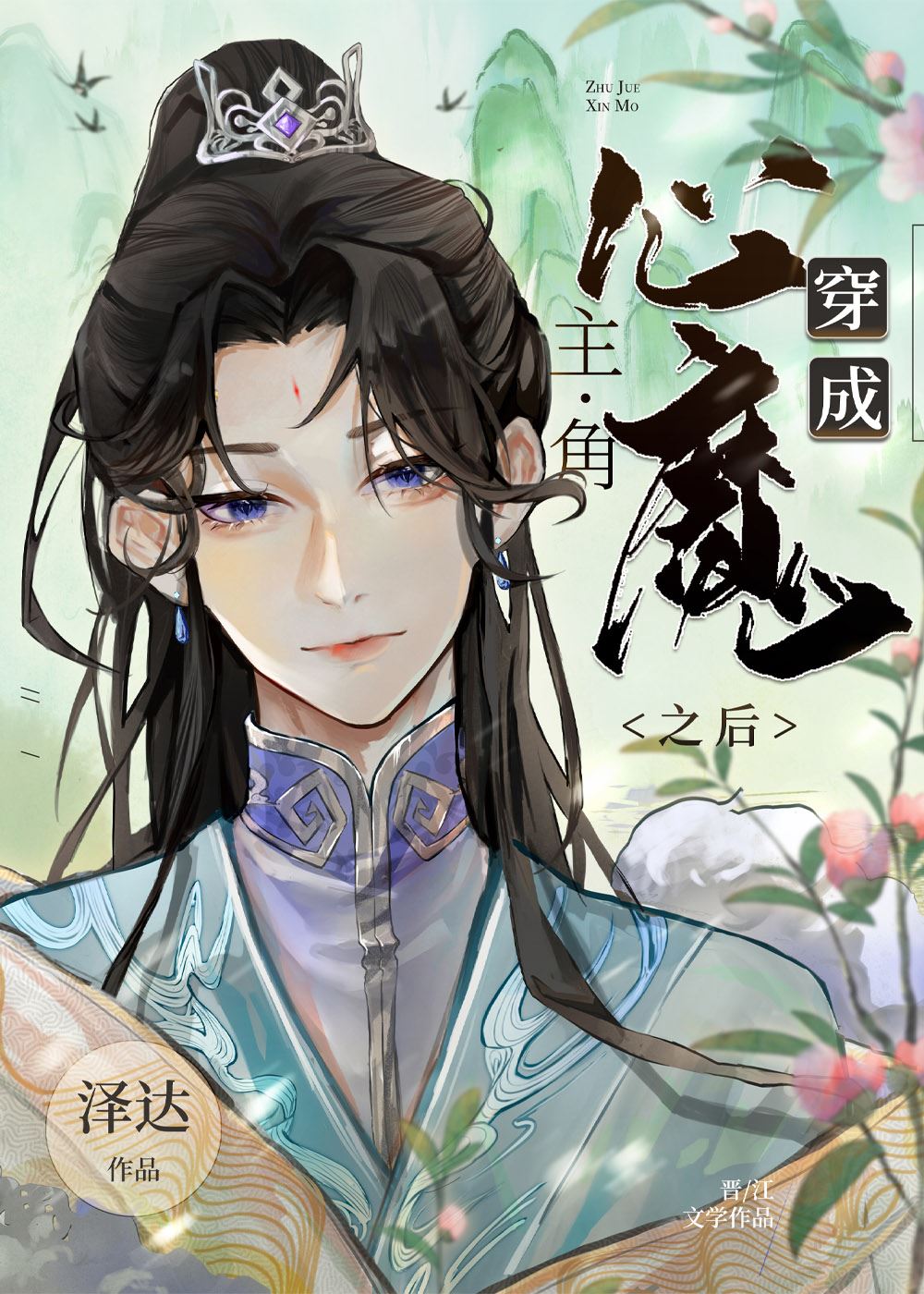
Okay so here's the thing that really got me fuming reading this chapter. The narrative explicitly tells us that in the original novel, Chu Jinglan's suffering was just... skipped. Flash forward, he's this brilliant young talent, 'as bright as the moon,' and readers were swooning over his grace and talent. But Xiao Mo knows the truth. He WAS there. He watched Chu Jinglan burn with fever, cough up black powder, struggle through every single step.
The author deliberately set up this meta-commentary about storytelling itself, which I found really brilliant. The original novel only shows Su Baimo's POV of Chu Jinglan's comeback—it's curated, sanitized, reader-friendly. But Xiao Mo, as the inner demon, is the only one witnessing the actual process: the medicine being fed drop by drop, the embarrassment of needing to spit out impurities after eating, the campfire conversations where they're both improvising their way through deception.
What strikes me is how the plot uses this structure to create dramatic irony. We, the readers of THIS novel, get to see what the original novel's readers missed. Chu Jinglan isn't some naturally-born heavenly prodigy—his recovery is earned through visible suffering, and Xiao Mo is the only witness to that process. The caravan setting, the shared tent, the casual strangers asking questions—all of this builds a grounded, intimate plot against the backdrop of what could have been a purely glory-focused comeback narrative.
The plot also subtly raises stakes about the 'uncle' lie they're telling. Xiao Mo has no idea where this fictional relative supposedly lives, and then Chu Jinglan, half-conscious, casually provides a street name. That's not just comic relief—that's showing Chu Jinglan's mind still working even through illness, and their seamless teamwork. These two are becoming a unit, and the plot is carefully constructing that through action rather than exposition.
I also love how the narrative contrasts the original novel's treatment with the reality. 'His reentry was described as graceful and stunning from Su Baimo's perspective.' But Xiao Mo scoffs—because the original novel 'only allowed Su Baimo to see the brilliant and talented Chu Jinglan.' This is a critique of romantic fiction itself, where the beloved's suffering is glossed over in favor of their shining return. The plot demands we acknowledge the cost.
Honestly, the way this chapter structures the campfire scene as a microcosm of their entire situation—sick, exhausted, pretending, hiding who they really are—while also advancing their bond through forced proximity and shared deception, is masterful storytelling. Every casual conversation with strangers doubles back to reinforce their precarious position. The plot doesn't rush; it breathes.