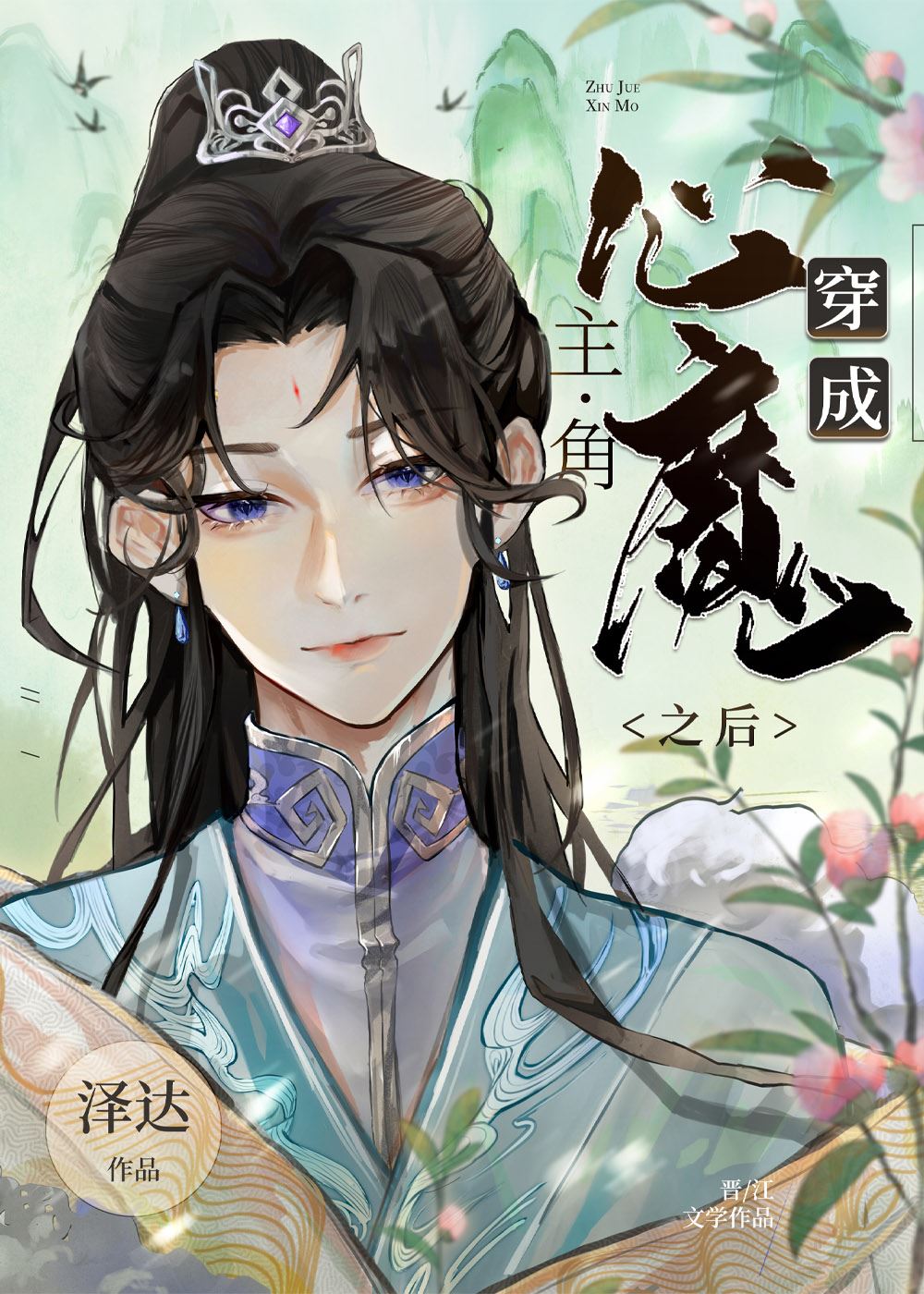
If you told me this novel could make me laugh out loud while discussing a character spitting black powder into bushes, I would have laughed at you. But here we are.
The dialogue in this chapter operates on three simultaneous frequencies: spoken words for the caravan strangers, mental messages between Xiao Mo and Chu Jinglan, and Xiao Mo's internal monologue. The separation is razor-sharp, and the humor comes from the gap between them.
Take the uncle conversation. Spoken: "Our uncle. We haven't seen him in long time." Casual, forgettable, exactly the kind of lie that invites follow-up questions. Then the local chimes in with "Where does he live? I might have seen him!" and Xiao Mo's internal spiraling—"Good question. How would he know where this non-existent uncle lived in a city he'd never been to?" followed by the desperate mental command to the system. Meanwhile, Chu Jinglan, half-asleep, just... provides the answer. "East Hua Lane. Although our uncle is of a higher generation, he's about our age. He loves to stay indoors reading and rarely goes out." Deadpan. Helpful. The most helpful lie you've ever heard.
The mental dialogue between them is where the voice really shines. Xiao Mo's messages are frantic, panicked, deeply human despite being an inner demon. Chu Jinglan's are slow, deliberate, deliberately provocative. ["With our looks, pretending to be brothers is most fitting and easier for others to believe."] Casual practicality. ["You handled that very cleverly, big brother."] Pure teasing wrapped in faux respect.
And Xiao Mo's response—"No end to this, is there?" ["...You're the eldest, I wouldn't dare."]—that ellipsis is doing so much work. Exhaustion, resignation, the dawning realization that this is his life now.
The narrator's voice deserves its own category. It's witty without being wanky, observant without being pretentious. "Xiao Mo was so flustered by Chu Jinglan's two 'brother' calls that he felt like one Buddha had emerged from the world and another had ascended to heaven." This Chinese idiom reference dropped into an English text about inner demons and cultivation is a glorious tonal choice. It grounds the absurdity in cultural tradition while making the emotional reality universally accessible.
Xiao Mo's internal voice is the star here. The way he narrates his own discomfort—"He wished he could transform into black mist and burrow back into his sea of consciousness, or even find a crack in the ground to hide in"—combines the supernatural premise with thoroughly ordinary human embarrassment. The narration never takes itself seriously, but it takes the emotions seriously. That balance is incredibly hard to maintain.
Chu Jinglan's dialogue, even when minimal, carries weight through what the narration tells us about how he says things. "Slowly and deliberately" repeats the word. "The flickering firelight danced in his eyes, deep and mysterious." We don't need him to say more—he's already said everything by how he says it.
The author's voice shapes the entire reading experience: warm, ironic, affectionate toward its characters even when mocking them. When Xiao Mo reflects that eating human food 'turns into torture' and then adds "The taste was actually quite good," the narration doesn't flinch from the contradiction. Life is contradictory. Food can be delicious and painful simultaneously. That's the voice of this book—unflinching in its honesty about discomfort, whether physical, emotional, or social.