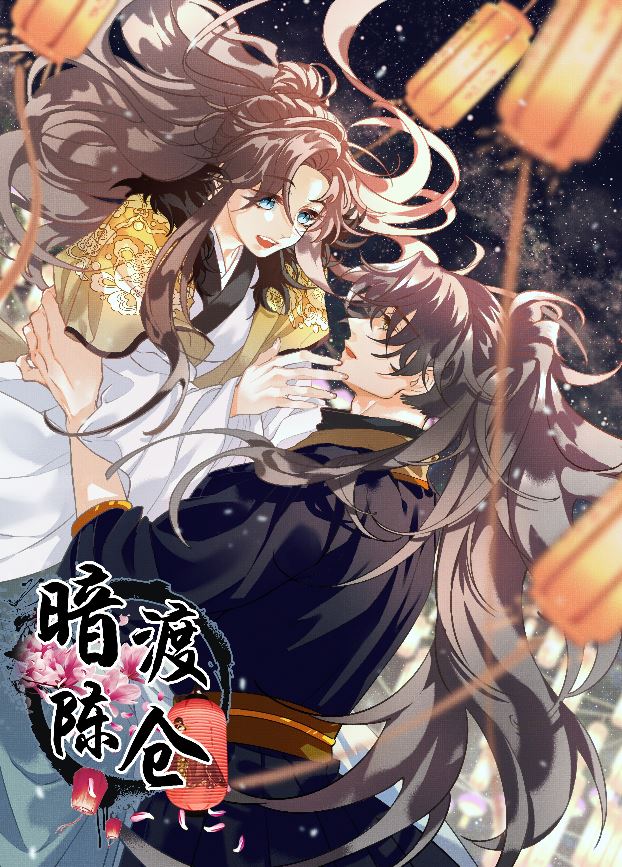
I keep coming back to the bath scene as the central symbolic act of these chapters. Water—specifically hot water in a wooden tub—represents everything Xie Xihai is unaccustomed to. He's a prince who has never bathed without servants, never slept without silk sheets, never been carried anywhere without a palanquin. But Sheng Lin's inn is small, the tub is crude, the water is shared. And yet Xie Xihai submits to it completely. He lets himself be stripped, carried, lowered into heat that burns. It's vulnerability as surrender, and the text treats it like a kind of courage.
The carriage itself is another symbol worth noting. It's old, worn-out, humble—a stark contrast to whatever royal conveyance Xie Xihai is used to. But it's also Sheng Lin's choice. He could've gotten a better one. Instead he drives himself, sits outside in the dust, and takes on the role of servant-driver while the prince rests inside. The inversion of status is deliberate and persistent.
And then the blood. The sudden eruption of violence at the very end—'a scene of blood on the ground, severed limbs in front of the carriage'—isn't just a plot twist. It's the world reasserting itself. All this intimacy, all this softness between two people in a small room, and the moment they try to rest, violence arrives. The journey to the capital isn't just a physical route; it's a passage through danger that makes every tender moment more precious and more fragile.
The recurring motif of carrying—Sheng Lin carrying Xie Xihai multiple times, the carriage carrying them forward—suggests that none of this journey is self-propelled. These two are dependent on each other in ways neither fully understands yet. The body as territory, the body as gift. That's the theme underneath everything.