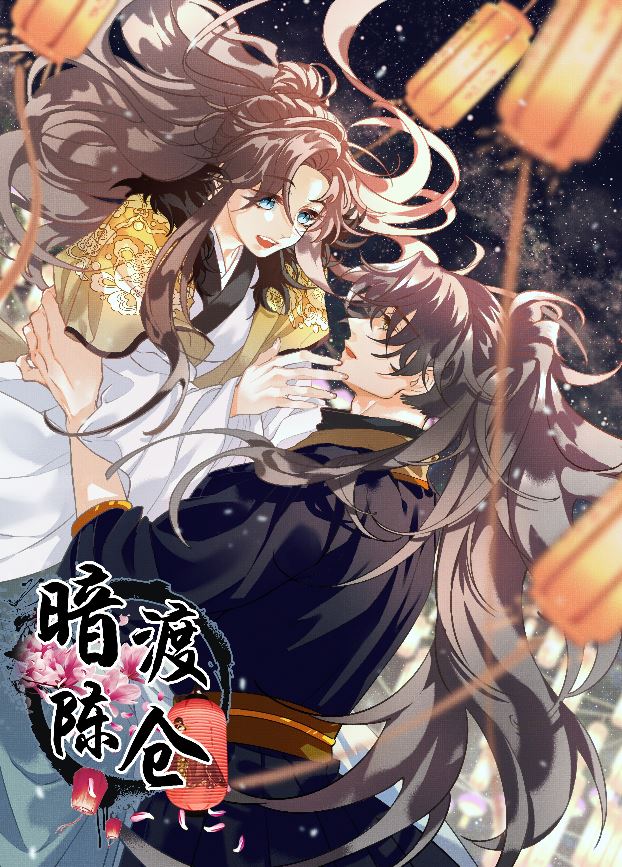
There is a specific quality of light in this chapter that I can't stop thinking about. The orange-red paper lantern shell, the candlelight shining gently through it, creating this warm and adorable atmosphere—that's Xie Xihai's entire aesthetic in one image. He is soft light and warm colors and the kind of brightness that exists specifically to comfort the people around him. And then the lantern extinguishes. Of course it does.
The moon over the willows scene, pedestrians heading home, the moat reflecting all that fading festival energy—that's the kind of background detail that makes me want to step inside the page. You can feel the damp chill of evening, hear the distant最后一轮烟花 fading into silence, smell the wet earth and the roasted chestnuts someone probably sold an hour ago. The world feels EARNED here, not described at you but experienced beside these characters.
Then there's the carriage. God, the carriage. The coarse cloth curtain, the damp blanket, the soft blanket that Xie Xihai is clinging to like a security object. Every detail is deliberately inadequate—the carriage looks like it's about to fall apart, the blanket is damp, they haven't eaten properly, and Xie Xihai is complaining about it all while somehow still safe and warm in Sheng Lin's periphery. That's the world of this story: discomfort is the baseline, and comfort is a temporary, precious rebellion against it.
The final image, the golden snake with its diamond-shaped head and red venom, is described with almost clinical precision. It's cold where everything else was warm. The color palette shifts from orange-red lantern light to gold and red and white silk. Visual storytelling at its most deliberate.