The naming of the mercenary group as the "Wolf Mercenary Group" is clearly intentional symbolism, and it's rich with meaning.
Wolves are pack animals. They hunt together, defend together, raise their young together. In a story about a lord building an army from scratch, the wolf is the perfect metaphor. Lovell isn't just hiring soldiers; she's creating a family—a pack that will survive winter and war together.
The wolf siblings, Aya and Iyaka, reinforce this. They're not pets; they're companions who mirror the humans' behavior. When they roll in the snow, the mercenaries delight. When Lovell apologizes to them, it shows her empathy. They're the emotional barometer of the household.
But there's another layer: wolves are also survivors. Washed-up mercenaries, one-armed veterans, boastful rookies—they're the outliers, the ones who don't fit elsewhere. The wolf pack takes in the rejected. It's a metaphor for marginalized communities finding strength in solidarity.
The snow itself functions symbolically too. It covers everything equally, muffling sound, softening edges. But underneath, the ground is frozen, the streams are ice, and life is waiting. The winter lull before war is like that—peaceful on the surface, dangerous beneath. When Lovell says the snow will melt into blood, she's acknowledging this duality.
There's also the theme of cycles. The year begins, snow falls, spring arrives. Farmers plant beans before barley to enrich the soil. The land goes fallow and then produces again. War follows its own seasonal logic—the forty-day service limit, the summons arriving in early spring. Everything moves in rhythms, and human conflict is just another phase of the natural world.
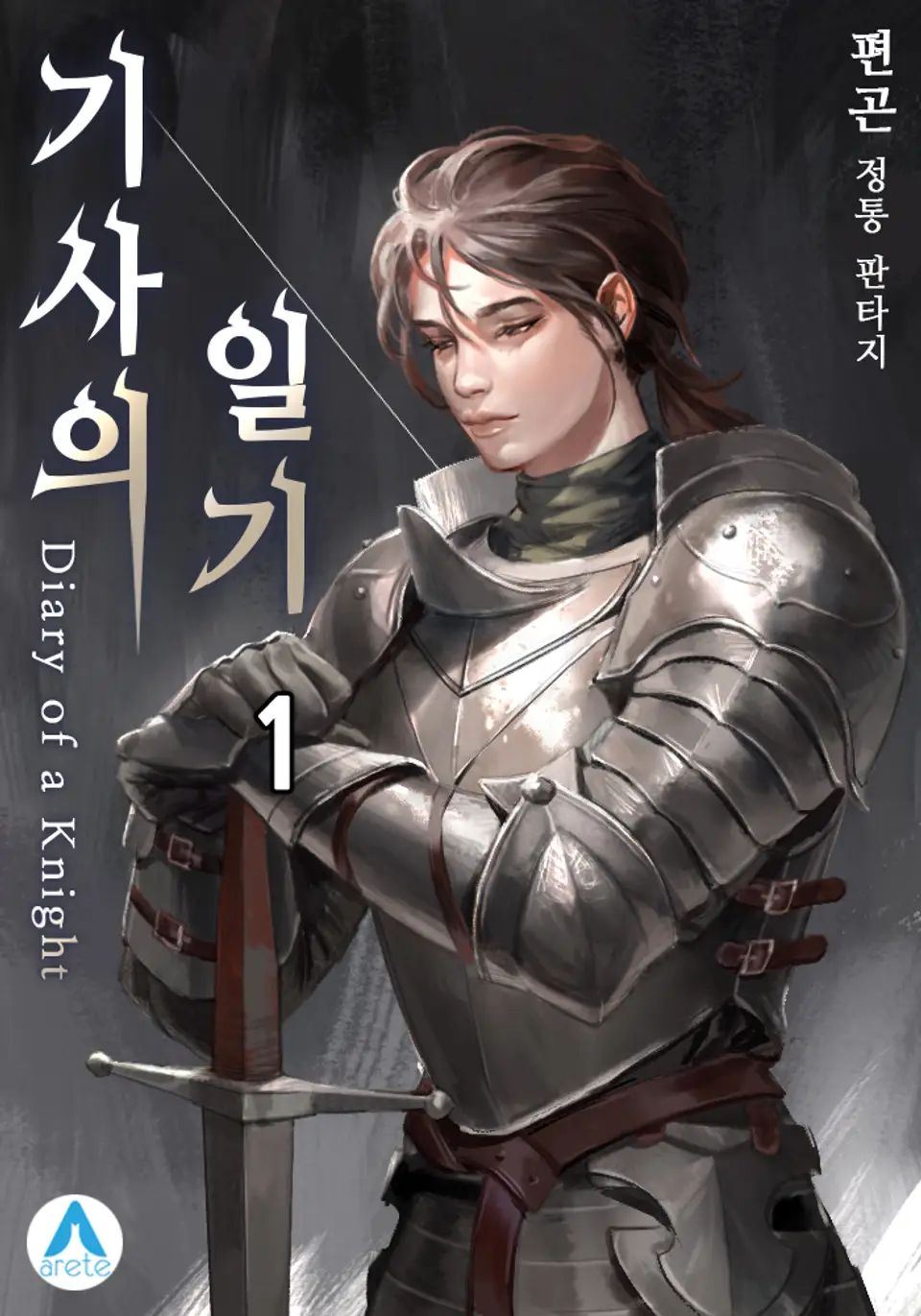
The composite armor Lovell removes at the beginning is another symbol. It's heavy, restrictive, designed for battle. When she puts on the houppelande—a flowing, wide-sleeved gown—she's shedding the warrior identity, if only temporarily. But by the end, she's back in the saddle, cloak tightened, ready to ride. The armor comes back on, but so does the responsibility.
I'm not sure the author intended all these readings, but the text supports them. That's good writing.