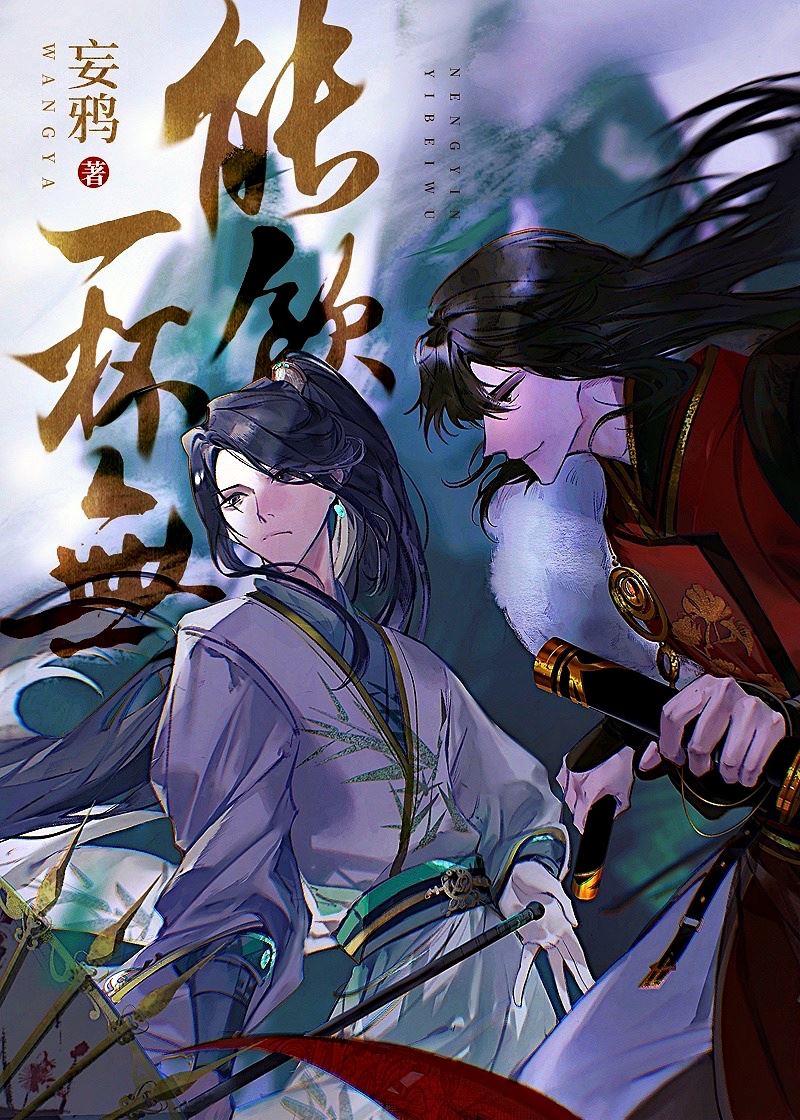
The stakes in this section escalate in ways that feel almost cruel, and that's precisely what makes it so gripping.
Let's start with the personal stakes. Zong Luo knows he's a cannon fodder character whose fate is death. His entire motivation from the beginning is survival—escape the plot, train in seclusion, avoid Yu Beizhou at all costs. For ten years he thinks he's succeeded. He becomes powerful, respected, beloved by common people. He has military prestige, political influence, a path toward becoming Crown Prince.
And then the emperor takes it all away with a wave of his hand. The great shaman keeps secrets, military power is stripped, house arrest, exile to the frontier with no return date. These aren't just setbacks—they're systematic eliminations of every advantage Zong Luo built. The stakes shift from "how do I survive" to "how do I fight a system that won't let me win fairly."
The rebellion raises the stakes to existential levels. If Yu Beizhou helps the fourth prince take the throne, the entire political order shifts. Zong Luo's base of support in the capital gets absorbed. His party gets scattered. He's physically distant from everything that matters. The Huns are watching. His 3,000 personal soldiers are all he has left.
When he gets ambushed on the return journey and his elite force is nearly destroyed, the tension becomes almost unbearable. Three days without news from the capital. Every possibility is open and terrifying. Is the rebellion successful? Did the old emperor die? Did Yu Beizhou betray everyone? The uncertainty is weaponized by the narrative.
The final confrontation at the city walls maximizes the stakes brilliantly. Zong Luo has survived everything—exile, ambush, loss of troops—to reach this moment, and his father meets him with a death sentence. He cannot enter. He cannot retreat. He cannot fight the city itself. The tiger talisman he doesn't possess means he can't even legally call upon his remaining forces. Every avenue of action has been foreclosed.
And yet he's still there. Standing outside those walls. What does a man do when every option leads to destruction? That's the conflict that will define everything that follows.