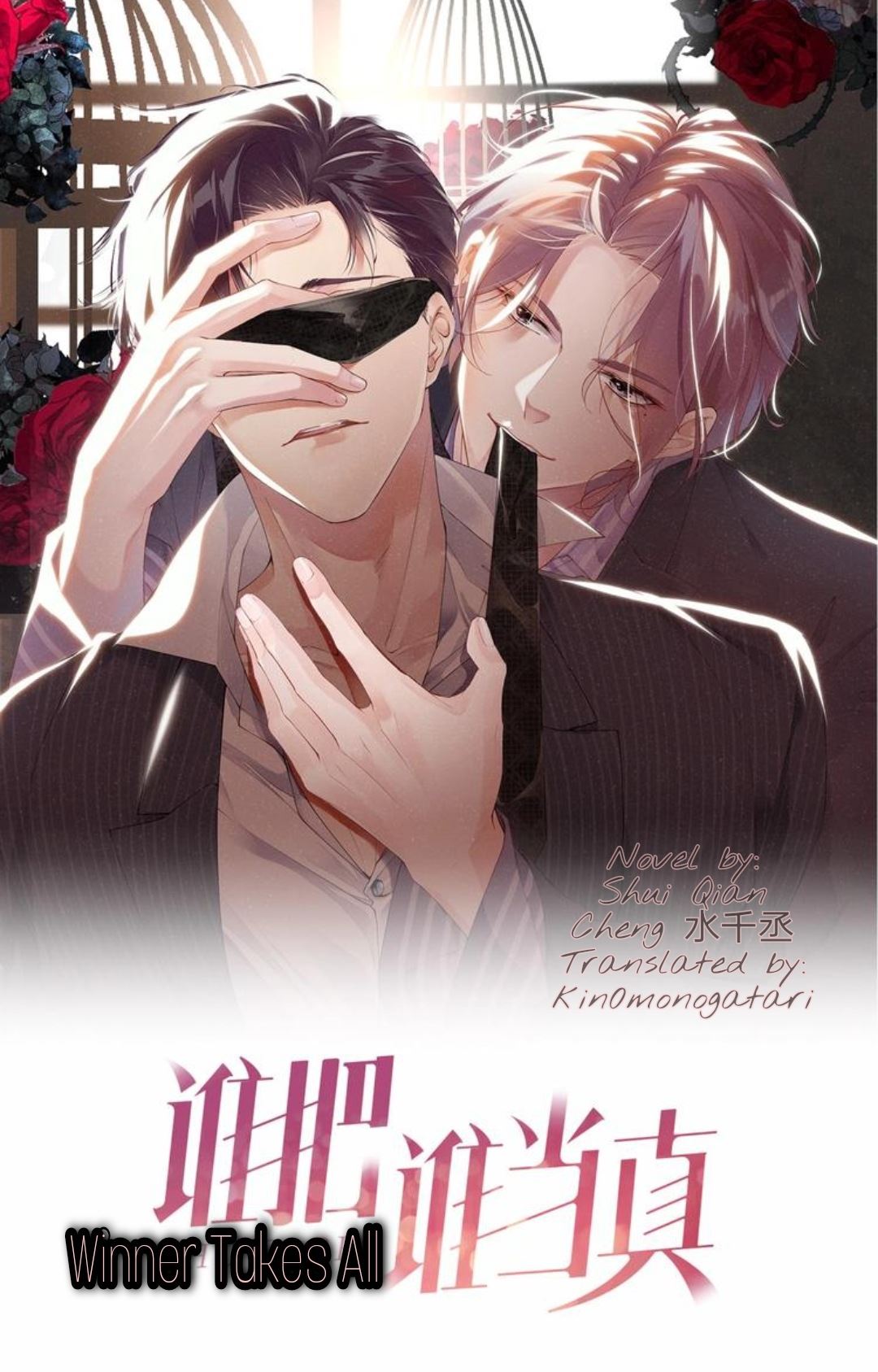
What keeps me up thinking about this passage isn't any single dramatic event — it's the MULTIPLE layers of conflict stacked on top of each other, each raising the stakes. On the surface, it's a business conflict: Li Shuo is investing in a seven-star hotel project, competing with other investors, trying to protect his interests. But that's just the backdrop. The REAL conflict is personal. Zhao Jinxin called him. Not about the project primarily — about the "entertainment industry" in Sanya. What does that mean? Why is Zhao Jinxin interested in the same location? Is this coincidence, or is it deliberate? The ambiguity is torturous. And then there's the internal conflict, which is honestly the most compelling: Li Shuo KNOWS Zhao Jinxin deceived him. He KNOWS he should distance himself. He even articulates this clearly — "kicked out of the game decisively." But he doesn't. He's still there, on the balcony, talking to him on the phone, answering financial questions in a calm, professional tone that completely contradicts what's happening inside him. The stakes here aren't just romantic — they're existential for this character. If Zhao Jinxin gets into his business, into his circle, into his home (they're staying in the same villa complex!), then there's no escape. Li Shuo has already admitted his heart is compromised. What happens when Zhao Jinxin compromises everything else too? And that ending — the cut-off sentence about Sanya's entertainment industry — it's the author holding a knife to the chapter's throat and refusing to let go. You NEED to know what Zhao Jinxin was going to say next. That's good conflict writing.