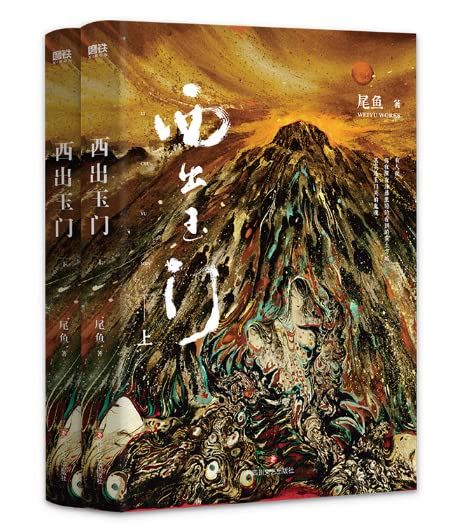
Can we just appreciate how these characters TALK to each other? Because the dialogue in this book is genuinely excellent and I want to highlight why.
Let's start with the most memorable exchange — Ye Liuxi and Chang Dong and the whole palm reading bit. This is comedy gold, but it's also characterization at its finest.
Ye Liuxi: "You'll be killed by me."
Chang Dong: "Is there a way to avoid it?"
Ye Liuxi: [lists increasingly absurd conditions] ..."bow whenever you see me, and kowtow on holidays. If it doesn't make a sound, it doesn't count."
Chang Dong: "Then kill me sooner, living is suffering anyway."
Every single line tells us who these people are. Ye Liuxi is sharp, playful, uses humor as armor. Chang Dong is exhausted, self-deprecating, finds her demands amusing rather than offensive. Their voices are completely distinct — hers has this edges-and-bites quality, his is more resigned and dry. You could read their dialogue blind and know who's speaking.
And then look at Fei Tang's voice when he approaches Ye Liuxi:
"Sister Yexi... I broke into your car last time to steal something. I knew you had an animal headed agate..."
He's stammering. He's vulnerable. He's stripped bare. And his dialogue reflects that completely — fragmented sentences, self-interruptions, the desperate honesty of someone who has nothing left to lose. "I was stupid and shouldn't have had such thoughts." "Something's wrong with it, it's eerie everywhere, something bad is definitely going to happen."
Compare that to Hui Ba, who's loud and performative: "if you want to get rich, you need guts, don't be like some people..." He's talking to his men but he's also performing for an audience. Even his dialogue is about image.
And Ye Liuxi's response to Fei Tang? "Speak plainly." Two words. Cold. Efficient. She doesn't offer comfort — she offers a transaction. "What can you offer me in return?"
Her dialogue is always direct, always layered. Even when she's being nice, you're never quite sure if she means it. That's a writer who understands that dialogue isn't just about what characters say — it's about what they're doing when they say it.
The narrative voice itself is also worth noting. It's close third person, drifting between characters' perspectives, but it has this wry, knowing tone that occasionally breaks through. Like when it notes that the models' makeup was so heavy their features were "unrecognizable" and then immediately undercuts it with Meng Jingu flat-out lying about how beautiful they are. The narrator is HERE for the absurdity.
These characters don't just speak — they perform, they defend, they manipulate, they reveal. Every line of dialogue is doing work.