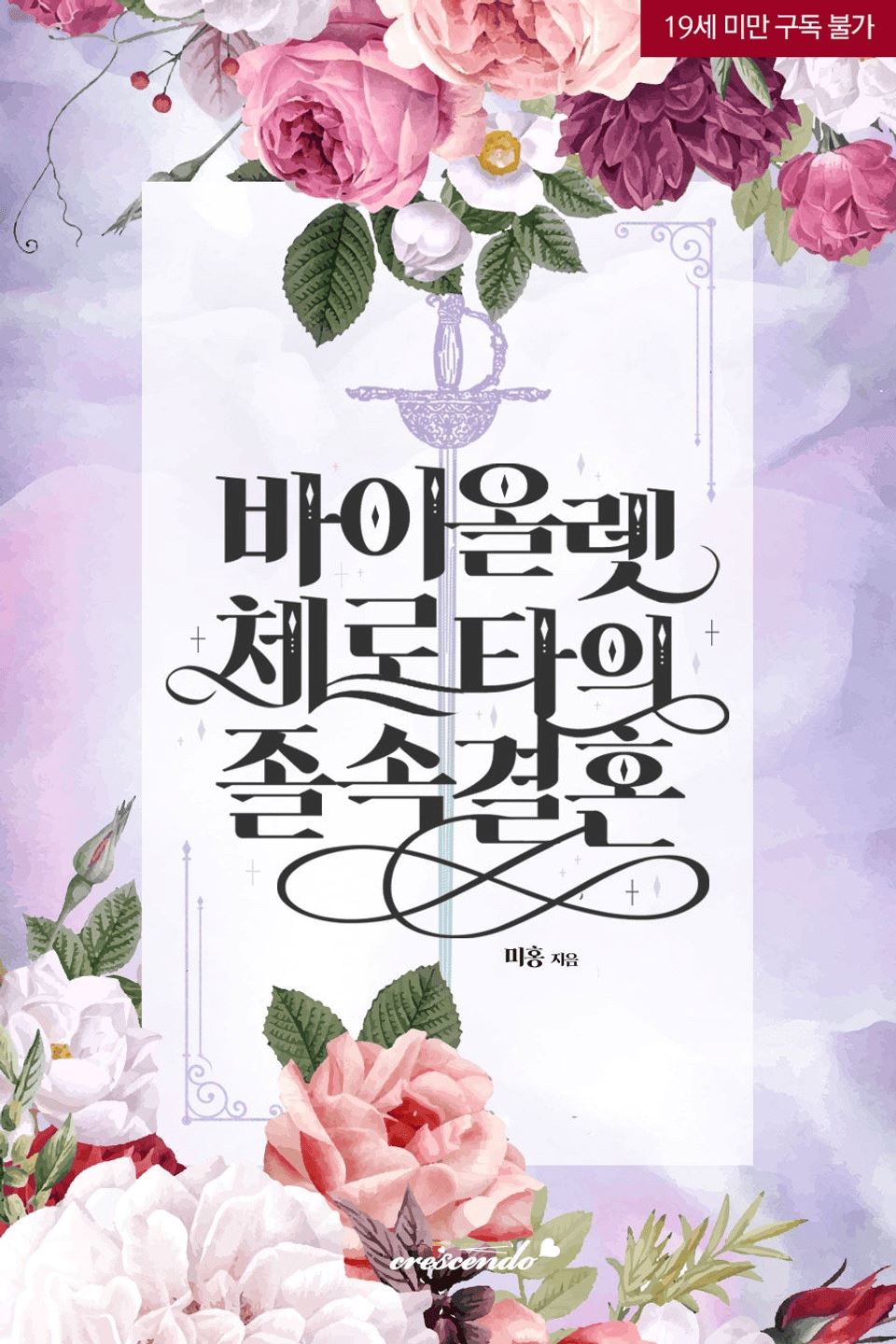
Let's start with the ring. It appears twice: first on Violet's finger, still there after three years, then on Aldrick's neck, strung on thread. Two objects, same token, different meaning. For her, it's a reminder of duty, of a contract. For him, it's a talisman, proof of connection despite distance. The ring doesn't fit her now—her hands have changed from labor. But it fits him? No, he wears it around his neck because it won't slide on. That's the tragedy and beauty: it belongs to neither in the conventional sense, yet it binds them both. Then there's the name change. 'Zerotta' to 'Winter.' She likes how it sounds. But more than aesthetic, it's about reinvention. Her father's name was Zerotta; taking it up is acceptance of lineage. Yet she chooses to drop it after marriage, embracing a new identity shaped by union. 'Winter' implies cold, solitude, survival. Maybe she subconsciously associates herself with that season because it's when she endured alone. Now Aldrick returns, and spring comes—but tentative. The symbol of the ring and the name both speak to transformation, to how identity shifts when relationships change. And the sword—oh, the sword. It's wrapped in cloth so it doesn't poke her in sleep. Even in rest, he's armed, yet he mitigates its danger to her. That's the core theme: violence tempered by care. He's a knight, trained to kill, but here he's learning to be gentle. The wrapped blade mirrors his own vulnerability—he's cautious with her, aware of his rough edges. Meanwhile, Violet's mud-streaked face earlier is another symbol: protection through hiding. She's been guarding herself, but now she washes it off. The act of cleaning is shedding layers. Even the small bed becomes a metaphor—too cramped for two, yet they make it work. Compromise, adaptation. The author never preaches these themes; they emerge from objects and actions. That's why the ending lands. The mystery of what Violet touches? It's the sword, likely. But it's also the unresolved tension, the wrapped-up dangers still to come. The symbolism doesn't resolve; it accumulates. Like love itself—it's not a single grand gesture but a collection of small choices: wearing a ring on a string, using your arm as a pillow, letting someone see your unmade-up face. I'm drifting again.