Summary

... Read More

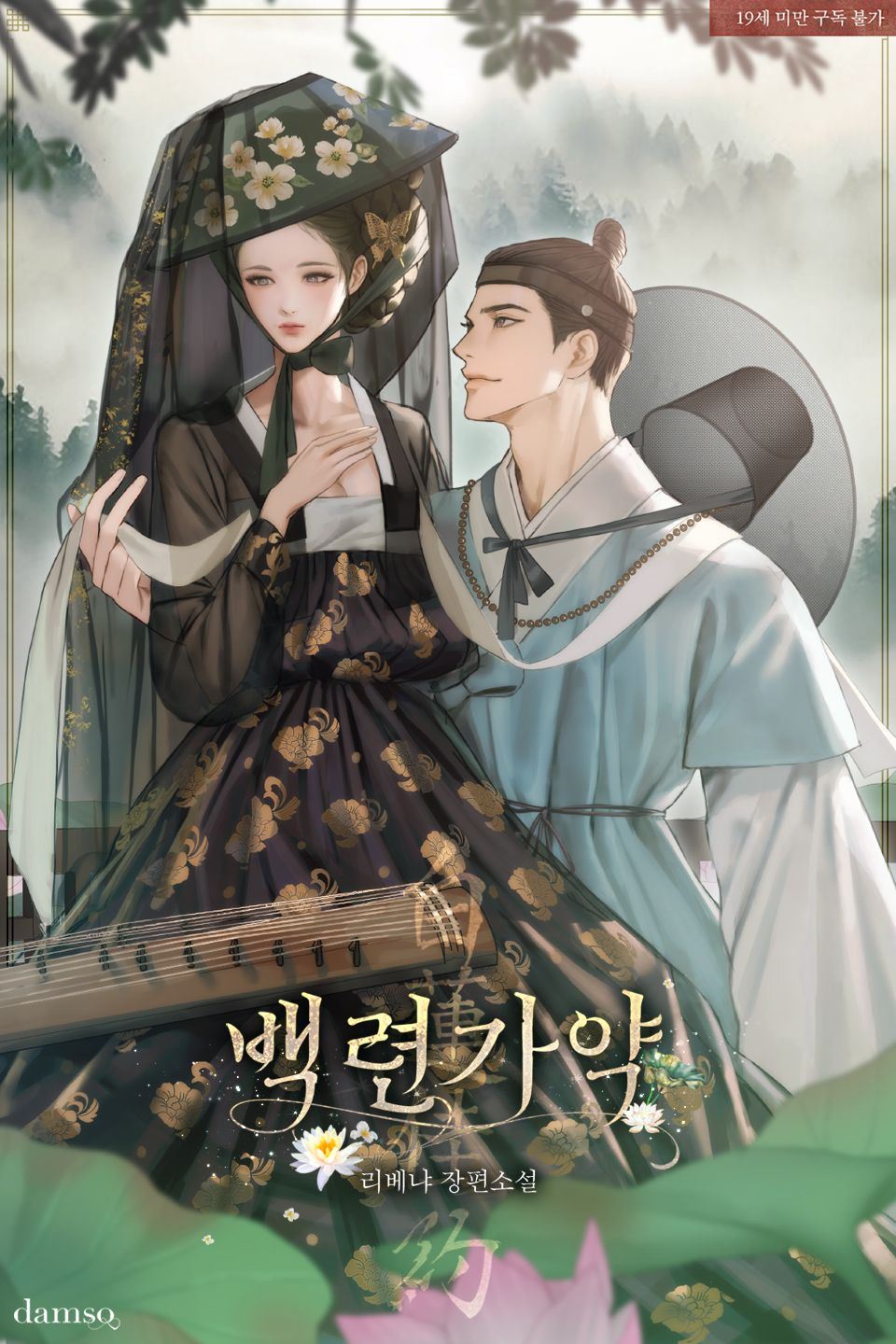
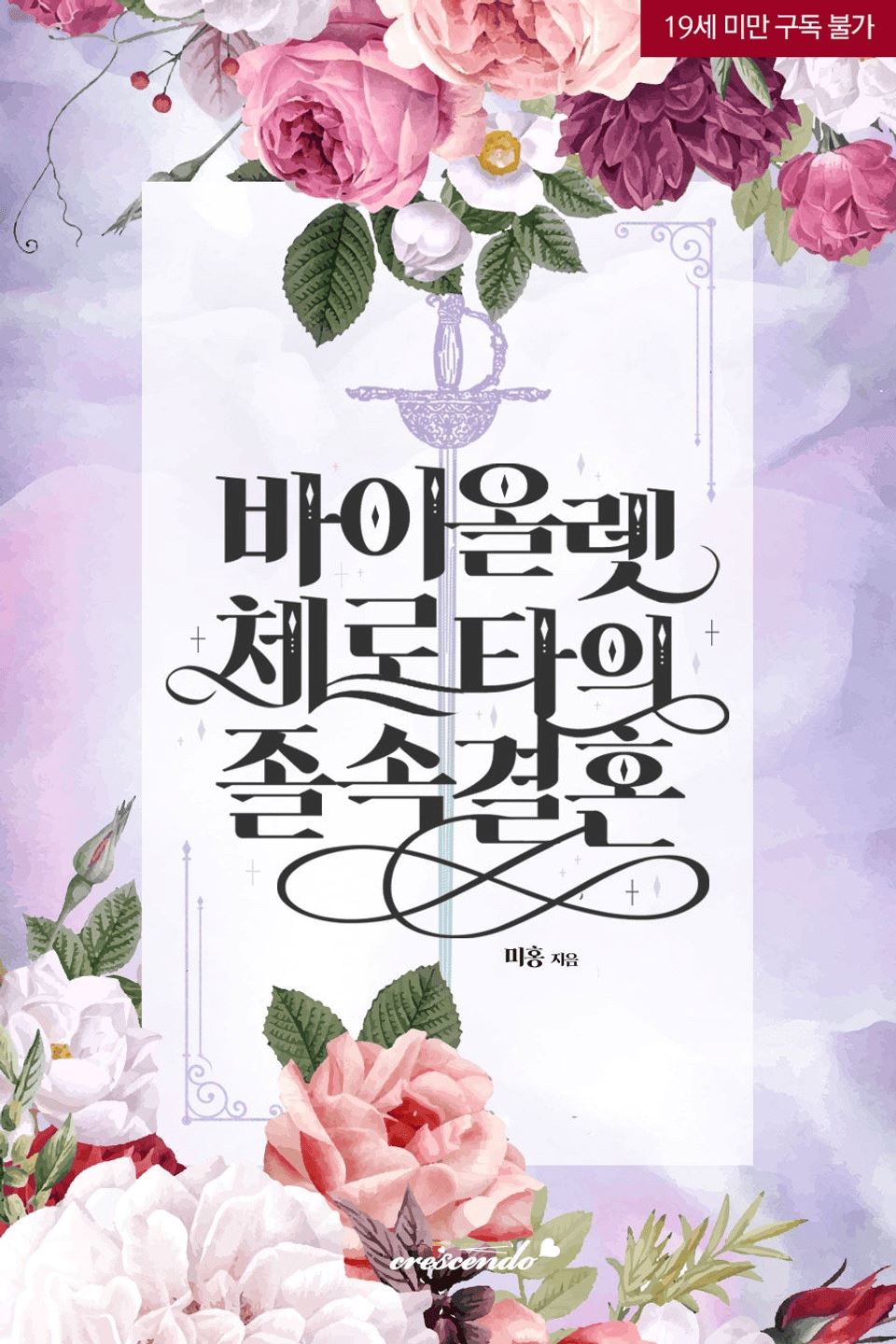
Violet is the twenty-year-old illegitimate daughter of Baron Antonio Zerotta, a fallen noble struggling with poverty and gambling debts. Living under the scorn of her stepmother and stepsisters, she serves as the family’s scapegoat. Her father arranges a rushed marriage to a low-ranking knight destined for war against Aslan, primarily to pay off his debts. The prospective groom is unknown to Violet, who assumes he is an incompetent, older man. The wedding takes place in a remote temple where she finally meets her husband, Aldrick Winter. Contrary to her expectations, Aldrick is only seventeen, exceptionally handsome, and remarkably young for a knight, though he displays a stoic and somewhat clueless demeanor. After the ceremony, her father departs immediately with the dowry, leaving Violet alone with her new husband.

Aldrick is eager to depart for the battlefield, revealing that the war is expected to last five years. He provides Violet with a substantial sum of gold and instructs her to wait at their modest rural home. Violet accepts this arrangement with relief, finding freedom in her new solitude. For three years, she manages the estate alone, surviving through sewing work and gardening. She transforms the neglected house into a comfortable home, raises chickens, and tends a garden. During this time, she develops a quiet longing for Aldrick, imagining his safety and feeling a strange sense of loss at the possibility of his death. When news arrives that the war has ended, she anticipates his return with a mixture of anxiety and hope.

Aldrick returns unexpectedly, now a fully grown man with a rugged appearance. Their reunion is awkward and strained, marked by mutual suspicion and unresolved tension. Aldrick is bewildered that Violet remained in the village, having assumed she returned to her noble family. He is equally surprised by her ability to survive independently. Despite the initial friction, they begin to adjust to each other’s presence. Aldrick reveals he has been granted a fiefdom and a countship due to his military merit. He proposes a journey to the capital for his investiture, suggesting they travel together. This marks a turning point in their relationship, as they begin to view each other as genuine partners rather than strangers bound by obligation.

As they prepare to leave, Violet discovers a ceremonial cloak she had made, along with a burial shroud she sewed in case Aldrick died. Aldrick, upon learning of her preparation for his potential death, is overcome with emotion. He kisses her passionately, and they consummate their marriage that night. The experience is intense and overwhelming for both, shattering their previous hesitations. Following this, they depart for the capital. On the journey, their bond deepens as they navigate the realities of their new status. Aldrick, once perceived as naive, demonstrates protective instincts and affection, while Violet embraces her role as a countess. The story concludes with them traveling together toward their future, leaving behind the isolation of the past and facing the political and social challenges of their elevated rank as a united couple.

Latest Release
DateGroupRelease
2026-09-27citrus aurora c96
2026-09-27citrus aurora c95
2026-09-27citrus aurora c94
2026-09-27citrus aurora c93
2026-09-27citrus aurora c92
2026-09-27citrus aurora c91
2026-09-27citrus aurora c90
2026-09-27citrus aurora c89
2026-09-27citrus aurora c88
2026-09-27citrus aurora c87
2026-09-27citrus aurora c86
2026-09-27citrus aurora c85

Community Reviews

Rating(3.7 / 5.0, 65votes)
5 stars
17(26%)
4 stars
20(31%)
3 stars
22(34%)
2 stars
6(9%)
1 stars
0(0%)

Popular reviews

... Read More
Okay so I need to talk about this moment between Aldrick and Violet because omg. The way Aldrick just suddenly kissed her after she said 'you didn't do anything' — I nearly dropped my phone. Let me tell you, this man has been walking on eggshells around her this entire time. He shares a bed with her, sleeps next to her, keeps his distance despite clearly being into her… and then BAM, he just can't hold it in anymore. That line where he says 'Is it okay if I do more?' made my heart literally race. He's this strong, capable knight who can handle a war zone but gets absolutely flustered asking for basic physical intimacy? Iconic. And Violet too — she says yes without even thinking about it, and honestly, I get her. She's been waiting for three years, they finally get this moment of closeness, and she doesn't want to overthink it. But what really got me was how she made him that burial robe. The fact that she was so worried about his death that she prepared his shroud and just casually offered it up like 'oops I made this for you in case you die' is both terrifying and strangely romantic in a twisted way. His reaction to finding it — pulling her into his arms and kissing her instead of being weirded out — that tells me everything about what kind of man he is. He values her care more than the morbidity of the situation.
... Read More
I need to talk about the stakes here because the author quietly raises them to a whole new level the moment Aldrick walks through that door. For three years, the central fear was external: will he die in the war? Will she survive alone? Those were survival stakes, and they were real. But the moment he returns alive and immediately treats her like an intruder in her own home, the conflict becomes intimate and far more painful. Look at how he speaks to her: 'You... You've been living here this whole time?' 'How did you even manage to live here alone?' He doesn't greet her. He doesn't ask if she's okay. He interrogates her. And the worst part — the part that made me want to shake the pages — is that Violet had resolved to welcome him 'with all her heart.' She was ready to be warm. She was ready to be the bigger person. And he just... deflates all of that in three sentences. The stakes have shifted from 'will he survive' to 'will she lose herself again.' She escaped one household that diminished her, and now her own husband seems poised to do the same. The suspense isn't about whether they'll end up together — it's about whether Violet will finally be seen as an equal, or whether she'll be folded back into some version of the life she fought so hard to escape.
... Read More
I need to talk about those two pieces of clothing because they are NOT accidental symbolism. First, the dark green ceremonial cloak embroidered with gold thread — Violet made this for him while he was away, using whatever money she had left. Green is the color of hope, of life persisting, and the gold embroidery represents something precious. She made this while alone, thinking of him, pouring her devotion into fabric. Then underneath it — the white silk burial robe. She claims it was practical, 'what if you came back as a corpse?' but come on. This is a woman who was so consumed by worry about his death that she literally sewed his death shroud. The juxtaposition of these two garments — one for celebrating his new status as a lord, one for mourning his potential death — says everything about what marriage means to her. It's tied to loss. It's tied to fear. And yet she gives them to him anyway. Aldrick's reaction to the shroud is the turning point of the entire relationship. He could have recoiled, could have called it morbid or strange. Instead he pulls her close. He sees past the morbidity to the devotion underneath. The consummation question that hangs over the final scene is also symbolic — it's not just about physical intimacy, it's about making their marriage LEGITIMATE in the world's eyes. In Illo, without consummation, the marriage is void. So this moment isn't just romantic, it's existential. Their entire partnership depends on it.
... Read More
Okay so I need to talk about the dog grave scene because it absolutely wrecked me and then completely reframed everything I thought I knew about Aldrick. He just… casually mentions it. Like, 'Oh, that's the grave of a dog I lived with for a while.' Not 'for years' or 'since I was a kid' — 'a while,' 'just a short while.' The way he talks about it is so flat, so emotionally distant, but you can feel the weight behind it. He's saying 'I had something, and then I lost it, and now I'm telling you this because you asked, and I'm not going to pretend it didn't matter even though it clearly did.' And then he drops this line: 'Having someone and losing them hurts more than never having them at all.' That hit me like a truck. Because suddenly Aldrick isn't just this awkward, overwhelming husband who doesn't know how to touch her without panicking — he's someone who has practiced being alone, who made the conscious choice to close off, and then Violet showed up and completely undid all of that. Every time he clings to her, every time he asks 'Are you okay? Is anything uncomfortable?' it's not just devotion. It's terror. He knows what it means to lose someone, and he is NOT risking that again. But here's what really got me — Violet's response. She says 'If I died, it's good to know someone would at least bury me properly.' And she's joking, kind of, but Aldrick's reaction is immediate and visceral. He goes from warm and soft to genuinely alarmed. Not 'oh honey don't say that' — no, he's actually asking if she's sick. Because to someone who's seen death on the battlefield, the casual mention of burial arrangements reads like someone who's already made peace with dying. The irony is brutal. He thinks she's fragile because she's never experienced real loss, but she's the one making jokes about being buried while he's the one carrying actual corpses in his head. I keep thinking about how Aldrick behaves after this — like a kicked puppy whenever she even mildly rebuffs his advances, how he retreats so fast it's almost painful to watch. This isn't just inexperience. This is a man who has been trained by trauma to believe that affection is something you earn through perfect behavior, and one wrong word and it's gone forever. Meanwhile Violet is over here genuinely trying to figure out if what she's feeling is love or just gratitude, and honestly? That uncertainty makes her so much more real than the perfectly devoted hero trope usually lets us be. What does it say about two people who are both desperately afraid of abandonment but express it in completely opposite ways — him through overprotection, her through emotional distance?
... Read More
Let's talk about how the author handled the village scene. I expected it to be just fluffy reconnection, but instead we got this hilarious yet tense moment with the butcher. Aldrick's reaction to that joke? Chef's kiss. He doesn't overreact dramatically; he just gets quietly possessive and mutters something about going to tell the butcher himself. Violet's internal panic about him actually announcing their marriage while gripping his sword like he's about to duel the meat-seller—comedy gold. But beneath the humor, there's real world-building: the society expects knights to be married, the ring on Violet's finger wasn't enough because she kept it hidden, and Aldrick's insecurity about his name versus her new identity ('Zerotta' vs 'Winter') shows how much ground they have to cover. The plot doesn't just advance romance; it sets up future conflicts—her secret life, his war trauma, the mismatched expectations. And that line, 'Every knight who goes to war is married!' felt like a rule of this world dropping naturally into dialogue. The author also threaded in the ring detail—how he kept it on a string around his neck because it didn't fit—showing he never stopped considering himself her husband despite three years apart. Meanwhile Violet's hesitation to claim they're married publicly reveals her fear of exposure. So here's my question: when does Violet's disguise become a liability instead of protection? Because right now she's hiding from villagers, but Aldrick already knows her true face. What happens when someone else finds out she's been deceiving them all along? And will Aldrick's knightly status force her out of hiding sooner than she wants?
... Read More
Let me just say — the structural choice to skip three whole years and then drop us right into the reunion is SO bold. Most authors would either dwel in the wedding night awkwardness forever or give us a tedious montage of daily life. Instead, the author trusts us to understand that Violet's transformation happened in the gaps. The opening chapter hooks us with this absurd situation — a war bride who hasn't even learned her husband's name — and then immediately pivots. By the time we hit Chapter 10, three years have passed and she's built an entire life in that house. The plot doesn't drag because every section earns its place: the wedding night establishes the dynamic, the time skip shows her agency, and the war-ending news throws a wrench into everything she's built. And that ending — 'That's not it.' — the author literally cuts off mid-conversation. No resolution, no softening. Just silence hanging between them. I read that and immediately needed to know what Aldrick was actually thinking. The narrative tension here is immaculate because we're not waiting for external conflict; the conflict is RIGHT THERE in the room with them.
See all reviews

Custom lists

See all custom Lists