To the One Who Doesn’t Love Me - Reviews

To the One Who Doesn’t Love Me
+Add to Custom List
Sort
Add review
... Read More
Okay so can we just talk about Ryan for a second because the author is giving us these microscopic character moments and I am OBSESSED. The walk back from the Magic Tower reads like a masterclass in showing, not telling. Ryan keeps circling back to Edward Hestein—first asking how close they are, then pushing for whether Edward feels the same way. And each time Rachel answers, you can practically see Ryan's chest tighten. When she says "Among everyone, I trust Edward most," Ryan's expression hardens. Period. Full stop. No dramatic lines, no thunderclap, just this tiny shift in his face and you know everything. But what gets me is how Rachel reads him. She doesn't miss a beat—she notices his silence, she connects the dots, and she internally acknowledges: *Right now, Ryan appeared to be jealous of Edward.* Then she deliberately plays it cool, walking faster, enjoying his awkwardness. This woman has lived through countless regressions and she sees RIGHT THROUGH people. Meanwhile Ryan is over here trying to maintain composure while basically spiraling. The power dynamic here is so deliciously messy.
... Read More
Rachel and Tervan's relationship in this chapter is a masterpiece of emotional undoing. Let me be clear: Rachel is the hero of this story. She defeated the witch. She saved the subjugation team twice. The Emperor himself called her 'the hero of this mission.' And yet, watching her sit across from Tervan like he's a stranger — that's the real tragedy. The exchange is almost comically brief: 'I had something to take care of.' / 'Oh, really?' / *silence*. That's it. That's their entire conversation after twenty-six regressions of devotion. Tervan is already moving on, already dancing with Viola, already treating Rachel's emotional distance as background noise. He genuinely doesn't understand what he did wrong. 'I can't think of anything.' The man truly cannot comprehend the magnitude of what he's lost. But here's what breaks me: Rachel doesn't blame him. She doesn't want revenge. She doesn't even want acknowledgment. She just wants to rest. 'Because even the obligation that had bound her was gone.' This isn't bitterness — it's grief so deep it has no language. The Viola-Rachel friendship is also shifting in real-time. Viola has known Rachel for over ten years, and she can't recognize her anymore. 'The Rachel that Viola knew no longer existed.' This line appears almost as an aside, but it's the emotional core of the entire chapter. Two people who were once close are now separated not by betrayal or conflict, but by something invisible — twenty-six deaths that only one of them remembers. And Ryan, the crown prince, sees through Rachel faster than almost anyone else. His observation about her funeral expression isn't just observation — it's recognition. He understands loss. He understands performing happiness while drowning inside. Their conversation is the only honest exchange in the entire chapter, and it happens between two people who barely know each other.
... Read More
There's something quietly haunting about the walking scene that I can't shake. Rachel and Ryan are strolling through the imperial capital after leaving the Magic Tower, past lively squares, and the entire sequence carries this surreal weight because Rachel KNOWS this world is from a novel. She's aware of the original plot, aware that Ryan is destined to love Viola, aware that her sudden growth and changes are what's drawing him in. When Creon teases her—*"Will events truly follow your expectations?"*—and Rachel internally fires back that she'd decline Ryan even if he did love her, the scene transforms. This isn't just a casual walk; it's two people navigating paths that were never meant to cross. The physical setting mirrors this perfectly: the long walk to the Pluret mansion stretches out, neither in a hurry, both lost in thoughts they can't voice. I also love how the sunlight catches Ryan's golden hair when Rachel looks at him. The author writes: *his golden hair was remarkably beautiful in the sunlight. Thinking that rejecting his confession was one thing, but being drawn to his appearance was just a reflexive reaction, she belatedly averted her gaze.* That single image—her looking, then quickly looking away—is so cinematic. The world feels alive, breathless, and Rachel is moving through it like a ghost who's already died a thousand times.
... Read More
Okay so this dance scene?? Ryan asking Rachel to dance was such a pivotal moment. Like, she's been through all these regressions and never once has she been involved with the Crown Prince before. The whole setup is fascinating because she saves Tervan and then the butterfly effect hits — Ryan starts leaning toward Rachel instead of Viola. That moment where she checks on Viola and Tervan dancing first, gets that encouraging smile from Viola... and THEN turns back to Ryan and says yes. She's calculating everything, you know? Reading the room like a queen. And then the confession! "Because then I can decide how to proceed from here." Ryan basically lays it all out on the dance floor. But Rachel's not having it — she shut him down so smoothly, just politely declining without making it awkward. I love how she immediately pivots to the friendship option instead. Smart move on her part because it buys her time AND keeps him from going full villain mode. Then BAM — Duke Bermund shows up unannounced. Of course he does. The pacing here is perfect. One moment you're swooning over royal romance and the next you're like WHAT IS THIS DUKE DOING HERE. And Rachel's reaction? Complete lack of enthusiasm. Meanwhile Creon is snarking in the background like, "Rachel, how could you? Am I an object?!" Hilarious but also kind of painful for him.
... Read More
'Thanks to him not dying in the Witch's Forest, Rachel too would no longer have to experience terrible deaths.' That one line absolutely wrecked me. Let me process this for a second. Rachel has lived through MULTIPLE time loops. She's watched Tervan die. She's died herself. And her response to finding out he's alive this time? Not jealousy, not resentment about him going with Viola, not even lingering romantic hope. Just... quiet satisfaction. She doesn't even care anymore that he loves Viola. She accepted that painfully long ago. The scene where he grabs her wrist and she says 'It hurts' - that physical detail. That's not just about physical pain. It's the weight of ten-plus years of repeated trauma compressed into one moment. She won't continue the conversation. She won't let him comfort her. She walks away. And Viola, sweet clueless Viola, thinks they're having a lovers' quarrel. THE IRONY IS KILLING ME. Viola still thinks Rachel likes Tervan. Rachel has moved on from romantic love entirely, and Viola has no idea. This is the most heartbreaking unrequited love story I've ever read and I'm not even sure it's technically about love anymore.
... Read More
There's a symbol in this text that I can't stop thinking about, and it's not the Tears of Licorice or the Time Demon or any of the big fancy magical items the book keeps dangling in front of us. It's the squirrel. Rachel used to stand frozen watching squirrels and raccoons. She used to lose track of time looking at animals. That detail comes up in exactly one sentence during Tervan's description of her, but it carries the weight of an entire lost world. The Rachel who had time to watch squirrels is the Rachel who lived a normal, un-regressed life. The Rachel who is here now doesn't have that luxury. She has twenty-six deaths behind her and a deal with a demon in her pocket. The contrast between who she was and who she is right now isn't just about personality—it's about the capacity for wonder. You can't freeze and watch a raccoon when you've watched the people you love die twenty-six different ways. The animals weren't just a hobby; they were evidence that Rachel's old self had the emotional bandwidth to be present, to be curious, to not be haunted. Then there's the name itself—Tears of Licorice. What does that even mean? Licorice is a root. It's bitter and sweet at the same time. It's something people chew on slowly, something that lingers. And tears. The phrase evokes grief, but also purification. In some folk traditions, tears are considered sacred—wasted water that carries the soul's weight. The Tears of Licorice as a concept suggests that redemption comes through something that is simultaneously painful and sweet, something you have to actively seek and consume even when it tastes strange. Creon himself is a walking symbol of the cost of defiance. A time demon trapped in jewelry, waiting a thousand years for someone foolish enough to bargain with him. Every person who tried and failed and chose death represents the impossibility of outrunning consequence. Rachel hasn't chosen death—not yet—but the text makes it clear that the path she's on is the same one that led them there. The only difference is she hasn't reached the breaking point yet.
... Read More
Okay so let's talk about Rachel's little magic show in this chapter, because honestly it was the moment where everything clicked into place for me. She walks in, gives her whole rehearsed performance of 'I only know three spells,' does this dramatic thing with the Fireball-Waterball-Thunderball combo, pretends to be exhausted like it was this Herculean effort... and I literally screamed at my phone. Because we KNOW she can do five. She's been doing time loops, she's been through actual combat training in the Witch's Forest, and she's still putting on this little act for people who basically already know the truth. The scene itself is structured like a pressure cooker. You've got Randolph wanting verification, you've got Edward watching with that mix of pride and something else, you've got Ryan sitting there being cryptically polite, and then Rachel drops the bomb about Creon being able to recognize the Tears of Licorice because it contains magical power matching his. That's a massive lore reveal that just slides in casually in the middle of what should be a 'just checking your credentials' meeting. And it changes everything about what this jewel is. I also love how Rachel strategically underplays herself. She could've shown five spells and become the talk of the tower in twenty minutes flat. Instead she says 'nah, I don't even want this job' and effectively kills her own candidacy while simultaneously proving she's way more dangerous than anyone realizes. That's not naive—that's tactical brilliance.
... Read More
Let me just sit with this one moment for a second. Viola and Edward leave, the door closes, and the room goes silent. Rachel says 'It's fine, you should head back too.' And Tervan says 'No. Actually, I needed time to talk with you.' The air changes in that exact moment. Every word before it — the friendly greetings, the fake family emergency, the light teasing about the Crown Prince — it was all setup for this. The noise stops and suddenly they're alone and Tervan isn't playing anymore. What breaks my heart is that Viola thinks she's helping. She created this private moment because she remembers when Rachel loved Tervan. She doesn't know that love died somewhere across twenty-six timelines. Rachel felt that tenderness when she looked into Viola's rabbit eyes and her heart softened a little — but that softness isn't romantic. It's gratitude for someone who loves her unconditionally. That's the tragedy wrapped inside a seemingly cozy scene. Tervan's confession of one-sided love used to be the centerpiece of every romance arc. Now it's just... background noise to Rachel. She remembers it. She acknowledges it. But it doesn't move her the way it should. And that has to hurt him more than any rejection ever could, because he's still standing there with hopes that have nowhere to land. The Duke earlier was all tension — political, cold, calculating. This is intimacy without romance. Two people who share a history sitting in a quiet room where everything unsaid between them is louder than anything spoken. I genuinely don't know how Tervan reacts to being found out.
... Read More
I need to talk about this scene between Rachel and Tervan because my chest actually hurts. Tervan describes the old Rachel—the quirky one who stares at squirrels, who can't hide her feelings, who looks at him with sadness she never tries to mask. And Rachel listens to him describe her own personality from his perspective like she's reading a biography of someone she used to know. This line hits me every time: "It was a strange feeling to hear about herself from someone else, as though it were about a different person." THAT'S THE REGRESSION FOR YOU. You live twenty-six versions of your life and the person who loved you the most is the one who notices you've changed the most, but he has no framework for understanding WHY. The guilt dynamic between these two is toxic in the most realistic way. Tervan says he pretended not to know Rachel liked him because he didn't want to ruin their friendship. And Rachel says—without even needing to say it outright—that this was exactly why she never confessed. It's a mutual misunderstanding that built an invisible wall between them, and now Rachel is so far gone emotionally that the wall doesn't matter anymore. She's past wanting his validation. She's past even wanting his understanding. "I didn't say that to get an apology from you." That line. That's the line of someone who has loved someone for twenty-six lifetimes and finally, FINALLY succeeded, only to realize the person she saved doesn't recognize her anymore. The tragedy isn't that she failed. The tragedy is that she succeeded and it still isn't enough. Creon's voice from the necklace—calm, almost gentle, saying "I understand well that you're in a confusing and difficult situation"—is the only entity in this entire story that truly sees Rachel. And it's a demon. Of course it's a demon. The people who love her can't look at her without seeing a stranger.
... Read More
Let me just say this upfront: the way this chapter handles Rachel's emotional state is absolutely devastating and I am not okay. She saved Tervan, she completed her goal, she literally went through twenty-six regressions and twenty-seven deaths for this moment, and her response is... nothing. No joy. No satisfaction. Just this cold, hollow emptiness. The line 'rather, she felt a sense of liberation, like heavy shackles had been removed from her ankles, along with a bit of emptiness filling her chest' — I had to stop reading for a second because that is such a precise description of what happens when your entire purpose is achieved and there's nothing left. And the plot structure around Duke Bermund is *chef's kiss*. While the main quest is technically resolved, the author drops this slow-burn political threat that no one else in the story seems to notice yet. Ryan thinks Bermund is a good guy. The Emperor is thanking people. Everyone's celebrating. But Rachel — who has lived through this world enough times to know better — sees the rot underneath. Her warning to Ryan is so carefully calibrated: not direct accusation, just a hint, because she's learned that coming too hard with information gets you killed or dismissed. The banquet setting as a structural device is brilliant. Everything that matters — emotional climax, political foreshadowing, character repositioning — happens in one room while people are dancing and drinking wine. The Tervan-Viola dance scene where Rachel watches from the sidelines with zero reaction? That's the quietest devastating moment in recent memory. The plot doesn't need explosions when it can do that.
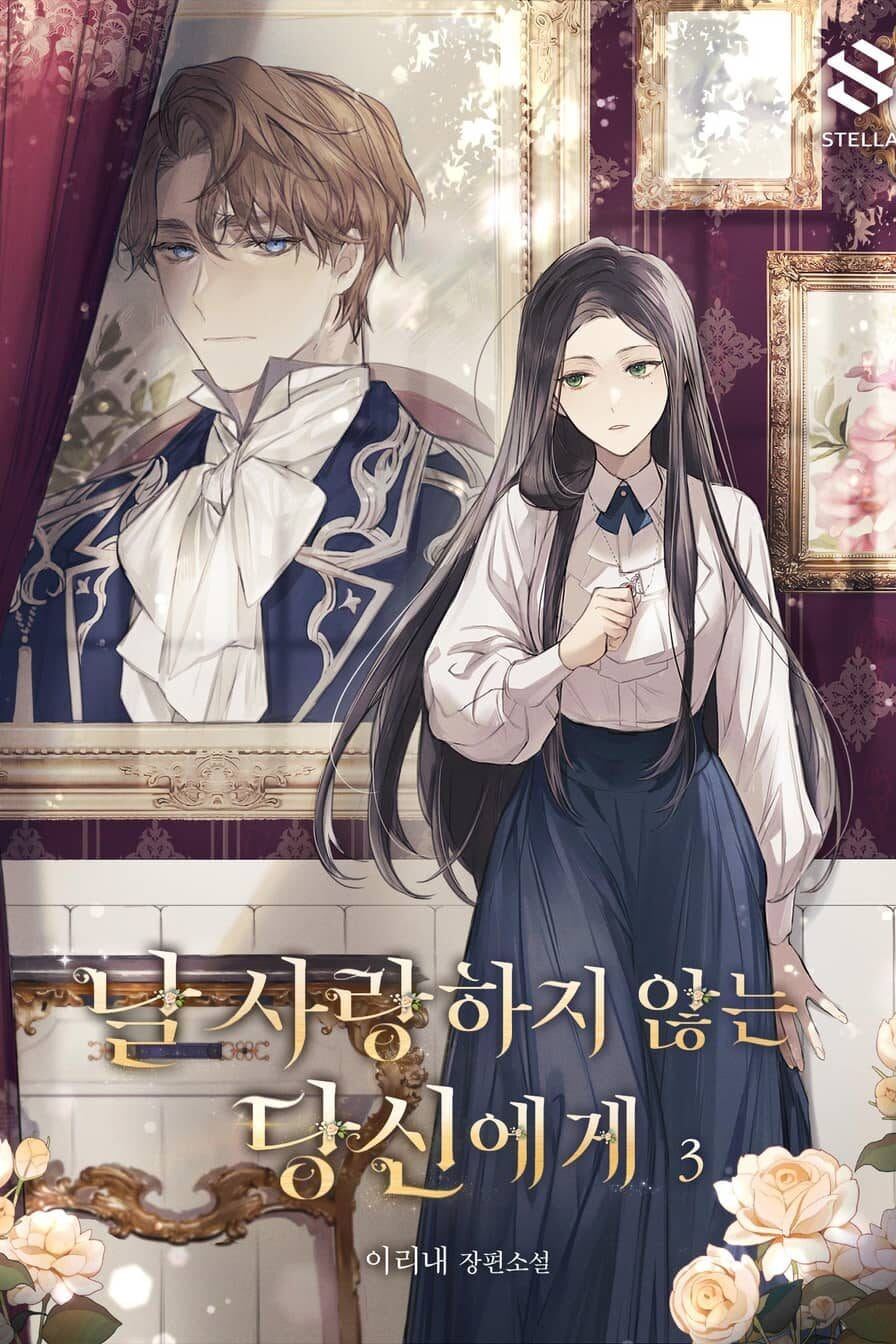
... Read More
The external stakes are massive and the author knows it. Duke Bermund is plotting treason — 80% complete according to the original story's timeline — and Rachel is the only person in this room who understands the scale of the threat. She's seen this world die twenty-six times. She knows what's coming. And her options are terrifyingly limited. Her warning to Ryan is a masterclass in constrained action. She can't say 'he's planning a rebellion.' She can't present evidence she doesn't have. She has to wrap the truth in diplomacy: 'What you see isn't always everything.' And Ryan's response — 'Strangely, your words don't sound like a joke to me' — suggests that the seed has been planted, but will it grow fast enough? The internal stakes are even more devastating. Rachel has spent twenty-six lifetimes obsessed with saving Tervan. Now he's saved. And she feels... nothing. The conflict isn't between good and evil here; it's between a woman who gave everything and the hollow person who remains. She doesn't want anything from Tervan. She doesn't want compensation. She just wants rest. But the world won't let her rest — there's still a traitor to neutralize, still a political landscape to navigate. The dance scene between Tervan and Viola is the most tense moment in the chapter, and there's no sword, no magic, no danger. Rachel watching them with complete indifference is more painful than any battle scene could be. She's lost the ability to care about the things that should matter. And that, perhaps, is the highest stakes of all.
... Read More
Here's where the stakes go from personal drama to existential threat, and I am HERE FOR IT. Rachel deciding to tell Ryan about Duke Bermund's search for the Time Demon Creon is a MASSIVE turning point. She could have stayed safe, kept her mouth shut, arranged for her family to escape when the rebellion happened. But she doesn't. She looks at Ryan—this kind, gentle crown prince who brought back Viola's smile—and decides he's worth the risk. *Someone who was demonstrating his capabilities as Crown Prince without difficulty. Beyond Duke Bermund's rebellion, Ryan would become an excellent monarch.* That's not just trust. That's someone who has seen the future and chosen to invest in the present anyway. But then Creon immediately undercuts everything: *"Because I'm not sure how much you can trust that human."* And Rachel realizes the horrifying possibility that Ryan could use the same necklace against her that Bermund would. The necklace she Wears. The demon she's bonded to. The thing that defines her entire existence in this world. The stakes just tripled in one paragraph and I'm not breathing. What happens when Ryan discovers the truth about Creon? What happens when Bermund catches wind that the crown prince is investigating? This isn't just political intrigue anymore—this is a trap closing around every character.

Leave a comment

You must be logged in to leave comments. or
