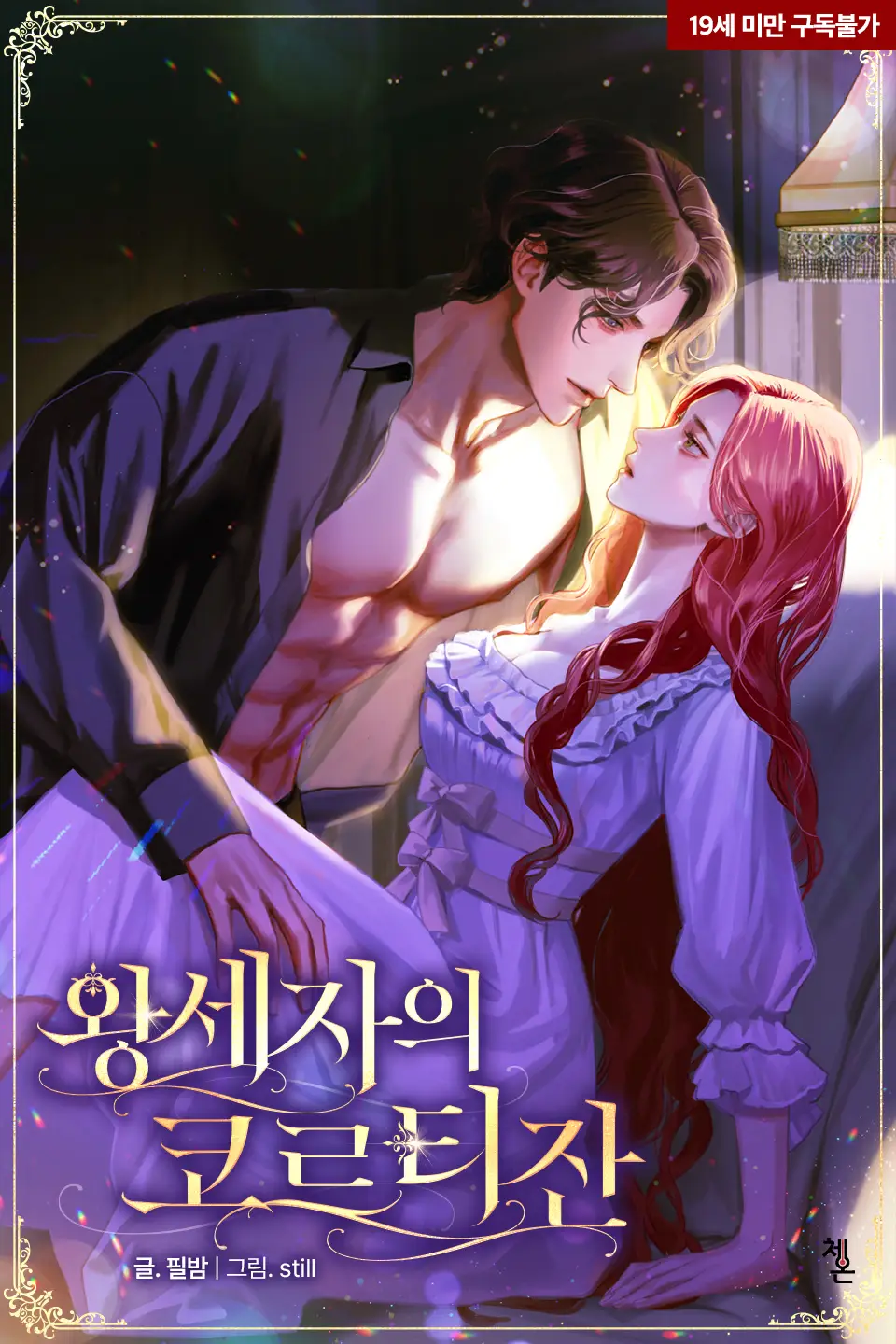
I need to talk about Russell's voice because THE MAN speaks in commands and it's terrifying. "Marie, open your eyes and look at me." "This was your choice." "You are mine." Every line from him is short, cold, and absolute. There's no warmth, no negotiation, no softness — and yet the text keeps hinting that there might BE something underneath it all. That contradiction is what makes him work as a character.
Marie's voice is different. She doesn't say much out loud — most of her dialogue is whispered pleas, fragmented protests, or silent internal monologue. When she does speak, it's either begging or self-mockery: "Someone like me could never be granted that miracle." That line isn't directed at anyone. It's just... acceptance. And it breaks my heart because we know she doesn't really believe it. She's trying to convince herself.
The maids' dialogue early on is brutally efficient. Three lines of gossip and suddenly you understand the entire power structure: Marie is nobody, Russell keeps her for her body, and everyone knows it except maybe Marie herself. "Do you really have no idea who those eyes of yours resemble?" — wait, what does that mean? Who resembles whom? I NEED TO KNOW.
But the real standout is the narrative voice. It's third-person limited, locked into Marie's head, and it shifts tone seamlessly between raw sensory experience and cold analytical observation. One paragraph you're feeling every touch, every bruise, every pheromone spike. The next you're getting Marie's clinical assessment of her own condition: infertile, damaged, worthless. The narration itself becomes a survival mechanism — if you can observe your own destruction dispassionately, maybe it won't hurt as much.
The author's prose style is definitely not for everyone. It's lush but unflinching, sensual but never romantic. Every description serves the mood, even when the mood is pure dread.