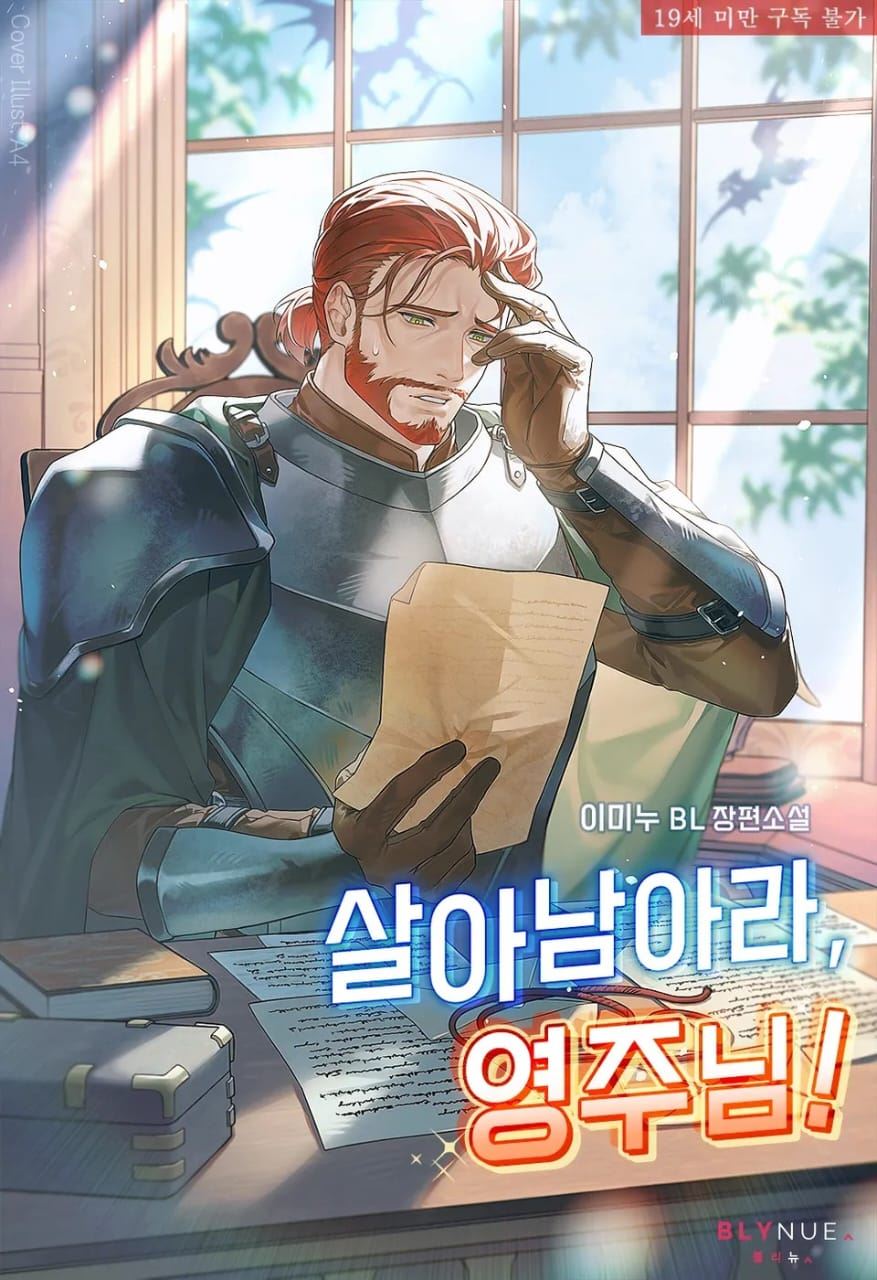
I've been thinking about this chapter all morning and the more I sit with it, the more I see this story isn't really about monsters at all.
The wyverns are just the symptom. The disease is abandonment. Twenty years without a lord. A fortress built to protect people who forgot it existed. Villagers swinging rakes at creatures that could slaughter them — not because they're cowardly, but because nobody ever taught them better. Nobody ever cared enough to maintain the systems meant to keep them alive.
"No matter how sturdy a fortress may be, it's useless if there's no one who knows how to make use of it."
That line keeps echoing in my head because it applies to literally everything in this story. The territory is neglected. The people are untrained. The defenses are repurposed as storage. And Reynald himself — what is he if not another fortress that's been left to decay without oversight? The greatest knight in the kingdom, yes, but also a man who's been maintained by the king's favor rather than developing anything for himself. When that favor comes with strings attached, the whole structure becomes fragile.
The winter backstory hits this theme even harder. Monsters becoming active in winter. People hiding indoors. Rationing food. A world where survival depends on preparation and community — and when that fails, when the monsters breach the village anyway... that's when the strong arrive to pick up the pieces. The king arrived. Reynald was saved. But who saved the king? Who takes care of the caretakers?
There's this recurring image of eyes throughout the passage. Reynald shoots out a wyvern's eye earlier. The wyverns target the illuminated ramparts — they're drawn to light, to visibility. Reynald uses the darkness to his advantage during the night fight, picking off uninjured wyverns from relative shadow. And then there's the king's gaze — the prince who "recognized Reynald's talent at first glance." Eyes as instruments of fate, of recognition, of being seen or being targeted. Very fitting for a story about a man who has spent his life being seen for his utility rather than his humanity.
The deepest symbolism though? Reynald falling asleep and dreaming of his hometown. The territory he's currently governing resembles his birthplace. He's literally living inside his own trauma, trying to protect people from the same monsters that destroyed his family, and he doesn't even fully recognize the pattern until he's running on fumes. The cycle of abandonment, rescue, overwork, and quiet breaking — that's not just Reynald's story. That's the story of anyone who's ever been told their value is identical to their usefulness.
If this book is saying anything, it's that systems fail when you remove the human element. Castles fall. Knights break. And the people left behind are swinging farming tools at dragons because nobody bothered to teach them otherwise. God, I hope Reynald finally gets his rest. The story seems to think he deserves it just as much as we do.