Survive, My Lord! - Reviews

Survive, My Lord!
+Add to Custom List
Sort
Add review
... Read More
Alright, can we talk about Reynald and these twenty youths for a second? First off, the fact that he's 47 years old and calling himself "my lord" while leading a bunch of teenagers on a grain raid is... interesting. But here's the thing that struck me—Reynald isn't some tyrannical lord. He's genuinely concerned about these kids. When he sees them sunbathing on the training ground like a bunch of dried fish, he doesn't yell at them or demand productivity. He sits down with them, jokes about it, and then gently steers them toward sword training because "if I get them used to training like this, it'll help them at least a little." That line right there—so much care wrapped up in practical concerns. He's not doing this for glory or power; he's trying to keep these kids alive in a world where "70 to 80 percent of the men in this village died before they turned forty." And Alex! The guy who coughed awkwardly when Reynald asked about formal training. There's definitely a backstory there—someone who "looked after me" who was probably a knight. I'm dying to know what happened to him. But Reynald doesn't push. Respect.
... Read More
Let me just say: the chapter transitions in this batch are FLAWLESS. You open with a relatively contained scene—Reynald handling Alex in the infirmary, resolving tension, Heide bringing in wyvern blood. It feels like a breather chapter. A moment of calm after whatever chaos preceded it. And then Lyndon opens his mouth and says "Mr. Heide—does this mean we don't have to go grain raiding this year?" BOOM. The entire foundation of this world gets flipped in one sentence. What was a quiet domestic moment becomes a full-blown existential crisis for the protagonist. Reynald goes from "maybe I'll stay longer, this retirement isn't so bad" to questioning whether staying in this domain was even a good idea. The pacing pivot is so sudden it's almost dizzying, and that's exactly what makes it work. Then the chapters move through preparation with efficient forward momentum—four days later, they're already on the raid. The structure here mirrors the villagers' own approach: no wasted movement, no sentimentality, just get in, get the grain, get out. And the full-moon setting? Obviously symbolic but also genuinely tense. Volant's casual explanation of what happens if someone doesn't make it back—"they'll figure something out, I guess? If they're unlucky, they might get eaten—but, well, that's just how it goes, right?"—delivered with an INNOCENT SMILE. That contrast between tone and content is where the real tension lives. The author doesn't need dramatic music or cliffhanger endings when the casual delivery of brutality does the job so much better.
... Read More
I need to talk about Alex because this character WALKED onto the page and immediately made me lean forward. You know how some books introduce a new character and they're just… fine? Alex is not fine. He is radiating menace from a hospital bed wrapped in bandages like some kind of gothic war orphan. And Reynald's reaction to him is SO interesting. Remember, this is a man who has dealt with hostile knights his entire career—he literally says he was used to that kind of treatment when he first became commander. He doesn't flinch. He doesn't get mad. He just… files it away. Watches. Calculates. But Alex isn't just hostile for no reason. The backstory Volant drops is deliciously vague—ran to this village ten years ago with a scar already there, no family, nobody knows what happened to him. He's skilled at hunting monsters, he's accepted by the villagers despite being terrifying, and apparently he holds a specific grudge against high-ranking people. Reynald is exactly that. Of course Alex lashed out. The way Reynald handles it though—offering his hand, asking about his injuries, backing off when pushed—shows a different side of him than the brute-force warrior we saw taking down wyverns. He's patient. Strategically patient. He wants to know what makes Alex tick. And I am HERE for it. Their dynamic is already crackling with tension and I'm fully expecting either a brutal confrontation or a reluctant respect between them. Either way, count me invested.
... Read More
The dialogue in these chapters is genuinely funny and it's doing so much character work without anyone noticing. Take Volant: "Don't worry, Lord! Just a little farther to go!" ..."Well, it's not like we have to get there tonight…!" Brother. You led a group of royal nobility into a monster mosh pit and then casually mentioned they could camp out? This man is a menace and I love him. Reynald's internal voice is where the comedy peaks though. After Lyndon apologizes for getting him hurt: "It's fine. It's not even that serious of an injury." Then immediately after: "Of course, applying potion was less effective..." He's sitting there with a fresh wound, being tended to, and his brain has already moved on to efficiency optimization. The guy could be dying and he'd still be like "actually this technique is suboptimal." And Heide! "Those rascals… Not only did they drag our lord along for such a thing, they couldn't even protect you properly…!" Coming in hot with the nagging, completely unphased by the fact that Reynald just came back alive from a monster chase. This man has seen everything and nothing phases him except Reynald getting scuffed. The narrative voice itself is also doing something really clever—Reynald's POV drips with dry observation while the actual prose stays grounded and kinetic. When he thinks "These young men were treating the current chaos as if it were entirely normal. At this point, he couldn't tell if they were fearless or just plain stupid" that's the author peeking through Reynald's shoulder and winking at us.
... Read More
Let me just say—this book's dialogue is doing SOME serious work and I need to appreciate it. The Alex scene is a masterclass in what NOT to write. He basically says two sentences and the entire chapter pivots because of how he says them. "Why do you ask such things?" is such a loaded line. It's not rude for the sake of being rude—it's defensive, suspicious, almost wounded. And Reynald's response? Nothing. He just… accepts it. Walks out. That silence from Reynald speaks volumes about his character. But what really impressed me is how every character has a distinct voice even in translation. Heide's dialogue is polite, measured, layered with the deference of someone who's spent decades serving lords—but there's genuine warmth underneath it. Volant? Totally different energy. Stammering, embarrassed, socially anxious but well-meaning. "Ahem, well… Setting aside the matter with Alex for a moment, there's actually something urgent." Classic Volant—can't get to the point, can't mask his anxiety, utterly endearing. Reynald himself has the cleanest voice of all. Short sentences. Direct questions. No flourish. When he says "Is your injury healing well? How badly were you hurt?" it sounds like genuine concern, not performance. And when he tells Volant "Isn't that why you've been dragging your words out this whole time?"—that's Reynald at his most human. Dry humor, perceptive, tired of everybody's nonsense but fond of them anyway. The narrative voice itself is worth noting too. It stays firmly inside Reynald's head but never over-explains. We get his observations, his calculations, his doubts—and that's it. No narrator commentary telling us how to feel. Trusts the reader. I respect that.
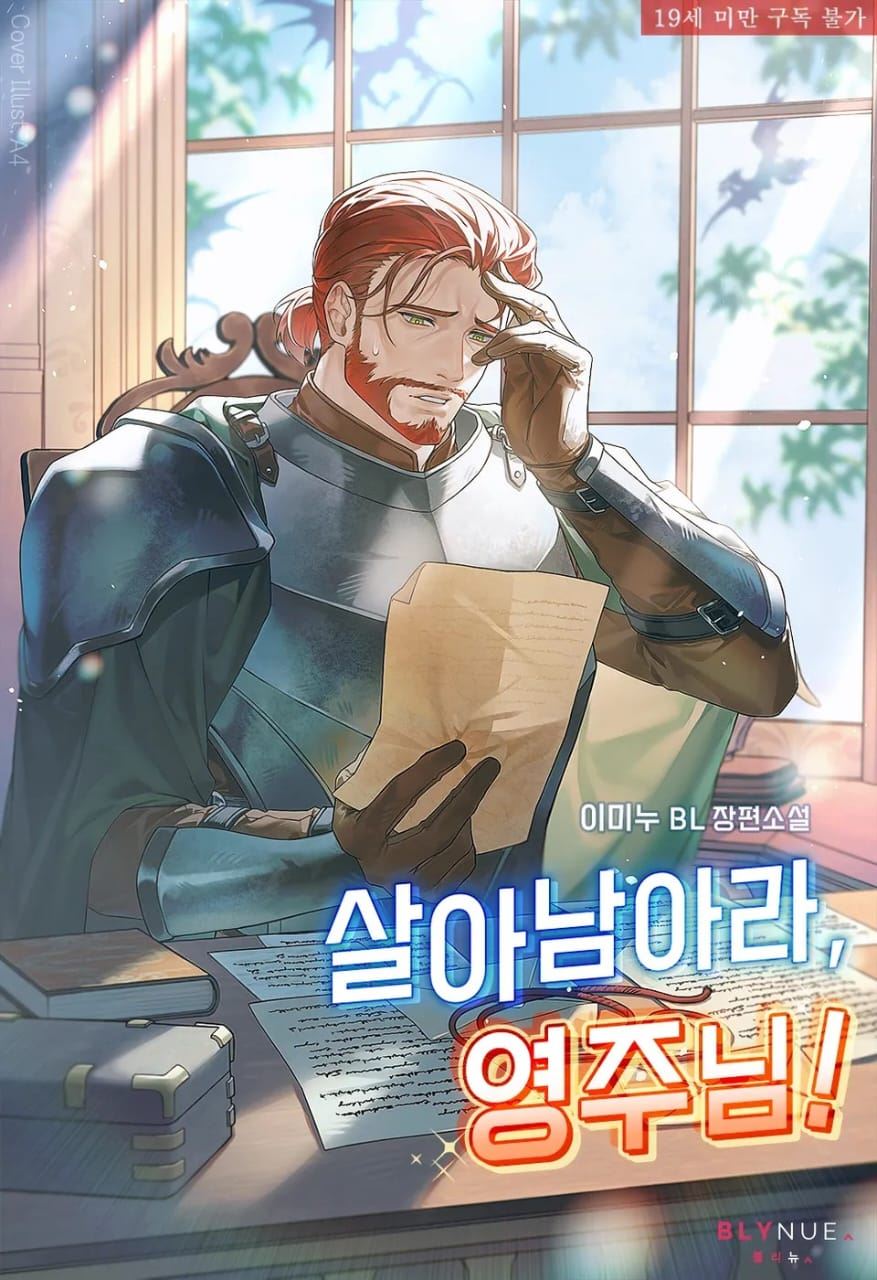
... Read More
Can we just talk about that one moment where Reynald throws himself in front of a lycansloth without thinking? Like. He didn't even have his sword drawn. He was holding a crossbow. And he just... intercepted it with his bare arm for Lyndon. No hesitation. No dramatic pause. Just pure instinct. And then what happens next? He's not checking if Lyndon is okay first. He's like, "good thing I got vaccinated against tetanus." This man worries about his own shot records while bleeding out. That's such a Reynald thing to do—practical to the point of absurdity, masking genuine care behind logistics. The young men's reaction is what really sold it though. Volant losing his composure completely, pacing and whining like a worried parent. Lyndon quietly grinding the mandrake root with these gentle, precise hands while apologizing between teeth. These kids look at him like he's some kind of legend and then he goes and gets them all chased by monsters on what was apparently supposed to be a casual herb run. The dynamic shifted something in here—I could feel it. He's not just their lord anymore, he's... theirs. And they're his. However confusingly that works.
... Read More
Here's something that kept bothering me after reading: why would people in a world this dangerous just lie in the sun all day? At first I thought it was laziness, but then I realized—this is the only rebellion they have. In a place where "70 to 80 percent of the men die before forty" and every外出 could be your last, sunbathing isn't laziness. It's choosing to exist in the present moment because tomorrow isn't guaranteed. The grain raid itself is symbolic too—they're literally stealing sustenance from monsters who see them as pests. There's power in that audacity. Reynald's wooden swords are also interesting. They're worn, old, barely usable—but he chooses them anyway. "Since they were made of quality wood, they still looked usable." Resourcefulness over perfection. And the training ground becoming a sunbathing spot flips the symbol of martial preparation into something almost meditative. These kids have fought monsters, survived death, and now they're just... existing. Basking in warmth because cold rooms and limited firewood make that a luxury. The whole chapter feels like a meditation on finding moments of peace in a world that wants you dead.
... Read More
Let me just say—the pacing in these first seven chapters is absolutely relentless and I mean that in the best possible way. Chapter 1 starts with world-building exposition but it's never boring because it's all tied directly to Reynald's personal stakes. We learn about the dragon subjugation, we learn about his injuries, we learn about the king's betrayal, and then BAM—he arrives at his fiefdom and it's a monster-infested nightmare. No filler, no padding, every paragraph is pushing the story forward. Chapter 2 is basically one continuous action sequence with a side of character introduction. Wyverns attacking, Reynald fighting them off with dwindling arrows, those mysterious marksmen showing up to help, the comedic beat of the patrol youths not believing him, and then— cliffhanger. He throws a punch. That's chapter two ending and I was immediately clicking through to chapter three. What really works is how the author balances tension. You've got the macro tension of 'this fiefdom is a death trap and the king set him up' running throughout, but then you layer in immediate micro-tension with the wyvern attack happening chapter one into chapter two. There's no breathing room, no calm scene where Reynald just sets up camp and reflects. He's under pressure the entire time, which means the reader is too. And the humor hits at just the right moments—Reynald's internal monologue about being called an 'old man' by teenagers when he's clearly in his prime, the king's letter reading like passive-aggressive hostage negotiation. These beats give you just enough relief before the next wave of tension slams you. By chapter 7 we're at the castle gate and I genuinely have no idea what's waiting for Reynald inside. The author knows exactly how to keep pages turning.
... Read More
Okay so the whole Alex apology scene? I need to talk about this. Alex literally comes in braced for execution. Like, this kid is so conditioned to expecting cruelty from people in power that when Reynald just… lets it go? It completely short-circuits him. He stares blankly. He can't process it. And Reynald, meanwhile, isn't even trying to be noble about it. He basically thinks: why would I punish a country boy? It's inefficient. Someone to jail him? Waste of herbs? Just move on. But here's what I love—it doesn't make Reynald seem cold. It makes him seem like a person who operates on a completely different frequency. When he says "You can tell me when you're ready, right? We've only just met—there's no rush in getting to know each other," with that gentle smile? Alex's face just DARKENS because he assumes Reynald is being sarcastic. BRO. The man has trauma layered so deep he can't even recognize basic decency when it walks up and smiles at him. And then later during the grain raid prep, Alex gives this bitter smile and nods along with everything, seemingly having adapted to this world's madness. But you can still see he's on a different wavelength from the natives. He's still processing. Still observing. And Reynald notices. That dynamic—this terrifying lord who genuinely doesn't know how to be mean versus this feral survivor who expects the worst—is SO much richer than your typical isekai lord-vassal setup. Reynald isn't trying to be their friend. He's just… decent by accident, and it somehow lands harder than any intentional kindness ever would.
... Read More
I'm not gonna lie, a lot of this chapter could've been dry reportage— Heide listing injury counts, wyvern carcass numbers, herb shortages. But it isn't. And I think that's because underneath all the logistical details, there's this undercurrent of genuine human connection that keeps pulling at me. The villagers chatting brightly about how they'll survive the winter—they didn't just defend themselves, they turned a catastrophe into a lifeline. That resilience is its own kind of hope. And Reynald watching them, feeling this weird unfamiliar emotion about it… that's the book telling us something important. He's saved people before. Thousands, apparently. But this feels different. Why? Because these aren't clients or subjects—he's actually seeing himself reflected in their gratitude, and it's affecting him. Not dramatically, but quietly. Like a door cracking open. Then there's the whole Heide dynamic. This steward is genuinely trying, reporting everything with that mix of duty and relief, and Reynald notices. He doesn't dismiss it even though he internally thinks the detail isn't necessary. He listens. That small moment of mutual respect between lord and steward—unspoken, unglamorous, but real—means more than any grand speech would. And Reynald volunteering to go herb gathering? That's the emotional peak of this batch for me. He could send someone else. He has every excuse to stay in the manor and plan. Instead he chooses to walk alongside these people, to be physically present in their struggle. It's a small gesture but it signals everything about who he's becoming in this story.
... Read More
Okay, let me just... this guy. Reynald. The king. This whole dynamic between them has been sitting in my chest since I read this chapter. "I was lucky. If I hadn't met His Majesty, no amount of talent would've mattered." Said with gratitude. Said with genuine thankfulness. And that's what makes it so damn painful to read. Reynald was fourteen when the king saved him. Fourteen. His entire family was torn apart by monsters, and this seventeen-year-old prince plucked him from the ashes and said: you have talent, come with me. That's a debt that sounds noble on paper but is actually a lifetime chain. Because Reynald didn't just become a knight — he became THE knight. Greatest in the kingdom by twenty. Commander of the Knights by thirty. And all of it came at the cost of never having a family, never resting, never saying no. And the worst part? He still feels grateful. After everything. After working himself into the ground for over a decade in a role that wasn't even suited to him because he lacked political savvy — the king protected him anyway, kept him close, kept him busy so he'd never have time to question anything. "The man had given wings to someone who had nowhere else to turn — how could he not be thankful?" That's not loyalty. That's a hostage situation wrapped in gratitude. And Reynald only just realized it. The fact that he's planning to go back to the capital and finally say "no more" hits me like a truck. This man spent his entire life being someone else's instrument, and now at fifty, his greatest rebellion is demanding rest. But here's what I can't shake: the king genuinely took care of his own. Reynald admits it. "Though he was a bit sly and foul-tempered, the king was someone who took care of his own." So it's not pure manipulation — it's messier than that. It's a relationship built on genuine care that somehow also became a cage. And that makes it SO much harder to walk away from, doesn't it? What do you think — is Reynald going to actually have the courage to tell the king no when he gets back, or is twenty years of conditioned loyalty too deep to break in one conversation? I honestly don't know which version of this story terrifies me more.
... Read More
Let me paint the picture for you. Reynald and four kids need THREE MANDRAKES. That's it. Not a dragon. Not an army. Three magical plants that look like babies and scream loud enough to melt eardrums. And somehow this is the most dangerous thing that happens to them all chapter. The mandrake harvest alone is a survival horror sequence—tentacles grabbing shovels, the root strategically releasing some to focus on their diggers, the boys learning to suppress instead of sever. Five minutes of physical struggle and Reynald is calculating monster positions with one eye while swinging a shovel with the other. And then the chase because oh right, the screaming literally SUMMONED twenty ratmen and ten lycanthropes. What makes this so tense isn't that they might die—it's that they almost don't take it seriously enough. Reynald is doing tactical assessments mid-sprint. The boys are treating a monster horde chase like a field trip. Lyndon's giddy about the adventure. And yet Volant's crossbow accuracy is deteriorating and Reynald's armsight is terrible and they're being herded toward certain doom until that lycansloth lunges and everything pivots from "oops our bad" to "we are actually going to lose someone." The stakes are perfectly calibrated. Low enough to be relatable, high enough that when Reynald takes that claw to the arm you actually hold your breath.

Leave a comment

You must be logged in to leave comments. or
