Selfish and Selfless - Reviews

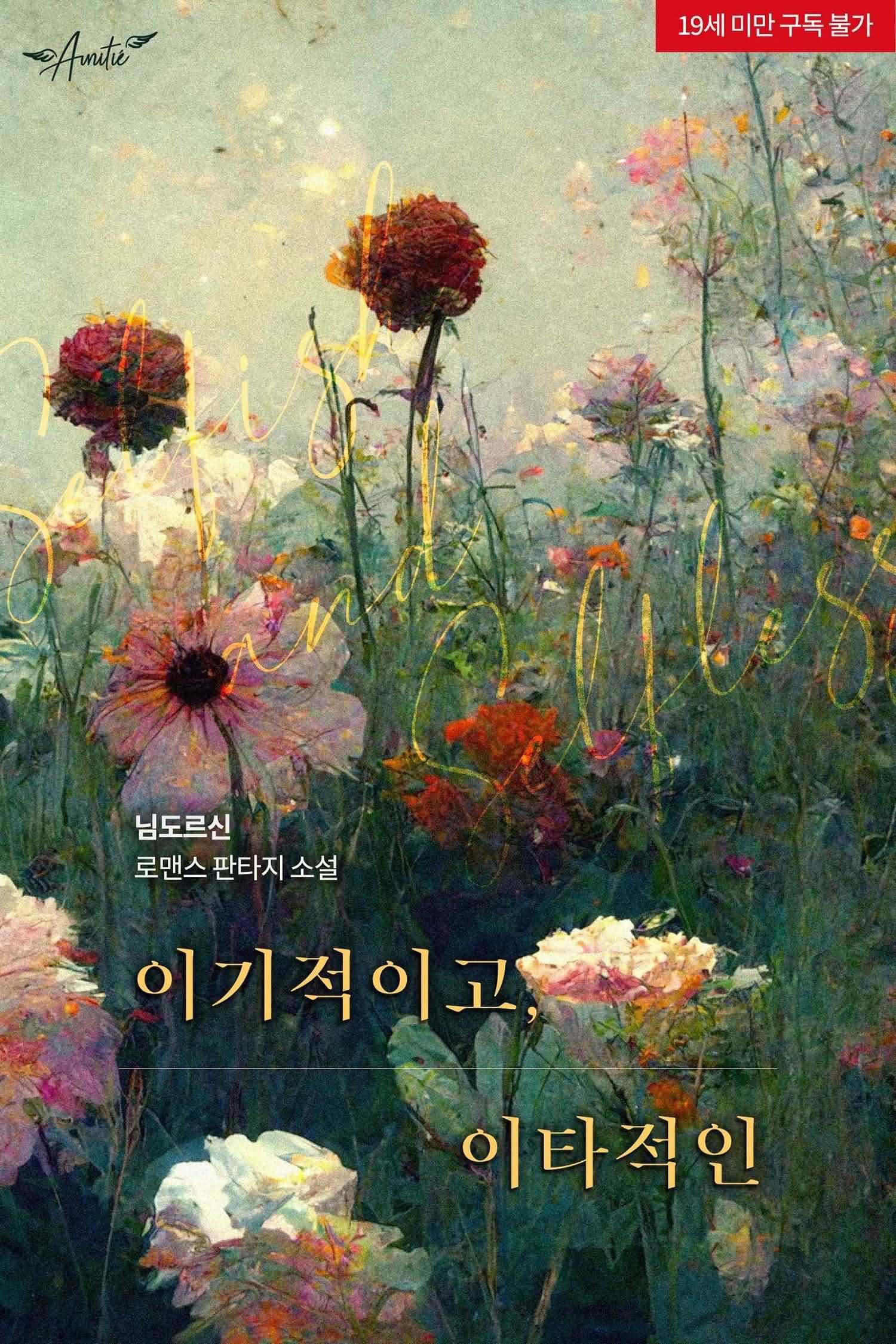
Selfish and Selfless
+Add to Custom List
Sort
Add review
... Read More
The stakes in this book are quiet but they're MASSIVE and I need to unpack why. On paper, nothing is at risk. No one's dying (well, Marienne is sick but she's alive), no wars, no magical threats. But the emotional stakes are so high they practically suffocate the page. Fiona's internal conflict is the main event here and it's brutal because it's unresolvable in the current framework. She wants Lennox. She won't take him from Marienne. So what does she do? She erases herself. That's not a solution — that's slow suicide of the soul. The external conflict is simpler but just as sharp: Marienne clearly loves Lennox and may marry him. Fiona clearly loves Lennox and will never admit it. Those two facts cannot coexist forever without someone getting destroyed. What I find most gripping is that Fiona KNOWS this. She's not naive. She's fully aware that hiding her feelings is unsustainable. "Once I hear it, there'll be no going back." She's standing on a edge and pretending she isn't. And the suspense — oh the suspense. The author makes you ache because we're waiting for the moment someone cracks. Will Lennox push? Will Marienne find out? Will Fiona finally say something? Every conversation between these three is threaded with invisible wires and I was clutching the edges of my seat. The fear of Marienne's reaction is particularly well done. Fiona imagines two scenarios — Marienne blessing them with a forced smile, or Marienne collapsing entirely. Either outcome destroys the sisterly bond. There is no clean path. That's what makes this story impossible to put down.
... Read More
I have to talk about the dialogue in this book because it's doing something really special and I want to figure out exactly what. First, the internal monologue — Fiona's voice is so distinct and so painfully honest. When she thinks things like "A feeling of liking someone isn't a big deal" or "She didn't 'love' him. Wasn't that enough?" — that's not narration, that's someone trying to convince themselves and failing in real time. The voice feels alive because it contradicts itself constantly. The actual spoken dialogue is almost spare, which is genius. Look at this exchange: "Thank you for taking good care of Marienne. Thanks to you, my younger sister……" "You're avoiding me." "……" "Is it because of Marienne?" Three lines. That's it. And Lennox says MORE in those three lines than most characters say in three chapters. He doesn't grovel. He doesn't plead. He just names the truth and walks away when she deflects. That's a man who knows exactly what he wants and is tired of pretending otherwise. Marienne's dialogue is lighter, brighter, but there's a thinness to it — like she's performing happiness the way Fiona performs selflessness. "I'll never get to go then" — that line hits different because you can hear the resignation underneath the pout. The narrative voice itself is cinematic in a very specific way. It lingers on details — the bronze-green eyes, the copper-colored hair, the way Lennox seems "made of metal." These aren't just descriptions, they're emotional metaphors. Fiona sees him as something crafted and perfect and untouchable. That's not observation, that's worship. I also love that the author lets silence do work. The "……" moments. The pauses. The things left unsaid are where the real conversation happens.
... Read More
The stakes here are suffocating because they're internal as much as external. Marienne isn't fighting an antagonist; she's fighting the truth. The external conflict—whether to stay married to a man who loves someone else, whether to release him so he can be with Fiona—is painful, but the real agony lives inside her. She knows she's dying. She knows Fiona deserves happiness. She knows Lennox has been kind, faithful, devoted in every way that doesn't matter anymore. And yet she can't let go. The conflict is intensified by her own complicity. She chose him. She pursued him. She married him. She built her happiness on a foundation that was always going to crack. What makes this section so devastating is that there are no winners. Fiona wins nothing—she gets her love returned only after causing her sister unbearable pain. Lennox wins nothing—he's stuck between a dying wife he pities and a woman he loves whom he can't have. Marienne wins nothing—she gets the love she wanted, but it was never truly hers. The tension never breaks because there's no release valve. Divorce wouldn't fix anything. Forgiveness wouldn't heal anything. Death is coming for all of them anyway. The author makes us feel the weight of every impossible choice, and then refuses to offer escape.
... Read More
I need to just stop and appreciate how the author constructs atmosphere in this chapter because it is MASTERFUL. Let me paint what I'm seeing. We open with Fiona waking up, hair disheveled, voice low and cracked from sleep. The door is already open — Lennox walked in without knocking, which Fiona notices and finds unusual. This tiny detail tells us SO much about their power dynamic and his internal urgency. The bedroom is dim, intimate, domestic. They're both in loose nightclothes. The bed sinks when he sits beside her. A deep silence flows between them. Just those four words — "a deep silence" — and you feel the weight of it pressing down on both of characters. Then the sensory details start stacking up and it's incredible. His bronze eyes. The strands of hair hanging over his forehead giving him a suddenly boyish quality. The contrast between this youthful face and the man who has supposedly been living with her sister. When his hand cups her cheek and she feels it's "hotter than before" — is that real or is that her imagination running wild? Probably both. The most atmospheric moment though, hands down, is when she's lying naked and startled by his size. She deliberately turns her gaze away, and the narrative holds that embarrassment in the air like a physical thing. Then his red tongue on her chest, the ticklish feeling spreading to her toes curling tightly — the author builds from visual to tactile to internal sensation so smoothly you don't even notice the transition. And the sounds. The squelching. The wet slapping sounds. The ragged breathing. The whispered names. This scene is never silent. It breathes. It's alive. The physical world of this bedroom becomes a character in its own right.
... Read More
This pacing is *chef's kiss*. I went into these chapters expecting drama—jealousy, love triangles, maybe some palace intrigue—and what I got instead was this agonizingly slow unraveling that sneaked up on me completely. Let me break down why this worked so well. The first half of this section moves at this almost lethargic pace. Fiona visiting Marianne, talking about nothing particularly urgent, walking through the mansion, having awkward moments with Lennox where he fixes her rolled-up sleeve and she loses her mind internally. It feels like filler at first, right? Just domestic scenes, just relationship tension. But every single moment is building toward something, and I didn't realize it until Marianne's condition suddenly deteriorates. The shift from Chapter 14's gentle domesticity to the emergency letter about Marianne being in critical condition is jarring in the best possible way. One moment Fiona is evaluating potential suitors and writing letters, the next she's grasping her sister's hand and begging for help. The author doesn't warn us. We're just as unprepared as Fiona is. That's masterful pacing. "Marienne! Marienne!" Fiona shouting—suddenly all that slow-building tension explodes into pure panic, and I was right there with her. The contrast between the quiet, almost mundane earlier scenes and this raw, desperate moment creates an emotional whiplash that works perfectly. And then the aftermath—the funeral, the realization that Fiona is truly alone. The pacing slows again after the death, but it's a different kind of slow. Not the comfortable domestic rhythm from before, but this hollow, empty pacing that mirrors Fiona's own sense of loss. The text literally cuts off mid-sentence at the end, and honestly? That abrupt ending feels so true to the experience of grief. There's no neat conclusion, no moment of acceptance. Just... silence. Incomplete. Unresolved.
... Read More
This chapter is a masterclass in pacing, and I want to unpack why it works so well. It starts with a quiet, almost mundane moment — Fiona waking up, realizing she fell asleep, noticing that Lennox entered her bedroom without knocking. That ordinary opening is deceptive. The author lulls you into thinking this is just a morning-after scene before the ground shifts under you: "Husband and wife. Right, the two of them were now husband and wife." Boom. The entire premise of the story lands on Fiona's lap like a physical weight. From there, the pacing slows right down — deliberately. Long silences. Internal monologues spiraling through guilt and obligation and desire. The author lets Fiona sit with her own thoughts for what feels like an eternity. She debates whether she should nullify the marriage. She considers the political necessity of bearing an heir. She apologizes to her dead sister in her head. Each thought is a beat, and each beat pushes the moment further away while simultaneously making it inevitable. Then Lennox speaks first: "I can't wait a year this time." That line changes everything. The pacing accelerates subtly from there. The physical escalation mirrors the emotional one — hands touching, then lips, then skin, then everything. But even during the most intense moments, the author pulls back occasionally. After Fiona's first climax, there's a quiet beat where Lennox kisses her forehead and asks, almost tenderly, "I can... put it in now, right, Fiona?" That pause — that moment of checking in — gives the reader air to breathe before the scene pushes forward again. The chapter ends mid-action, and I am NOT ready. The pacing from quiet dread to breathless intensity is exactly what this story needed here. Every beat earned.
... Read More
There's a moment — I think it's on page roughly 47 or 48 where Lennox says 'I love you, Fiona' and it hits me like a physical blow. Not because it's poorly written, but because of HOW it's delivered. This isn't some smooth romantic lead dropping a perfectly timed line. He's desperate. He's barely holding it together. There's a vulnerability in his voice that makes the words feel earned rather than scripted. And Fiona's response is everything. She can't say it back. Not because she doesn't feel it — I think she does, deeply — but because saying 'I love you' would mean accepting that her sister is truly gone, that this life with Lennox is real and not some betrayal of Marienne's memory. Her choice to kiss him instead of answering is one of the most honest moments in the whole book. Actions speak louder, and in that moment she chose connection over words. The sex scene that follows isn't just physical — it's emotional release valve. After the tension of the confession, after all that shouting and crying and trembling, their bodies find a way to communicate what words couldn't. 'The pain had completely disappeared and even that space was filled entirely with pleasure.' That line though — it's raw and explicit but it's also about trust, about letting go of the ghost that's been haunting her.
... Read More
Let me just say — the way this story opens is deceptively calm and then it quietly detonates you. On the surface, it's a domestic scene. Three people. Tea. Plans to go out. Nothing dramatic happens. And yet by the end of the first chapter I was sitting there like… what just happened? The plot doesn't move with car chases or battles. It moves with subtext. Fiona watching from behind a curtain. The way Lennox says her name twice and she freezes both times. The fact that Marienne gets sick after he leaves, which the narrator carefully frames as "clearly because she had overexerted herself being active while he was there" — that is not an innocent detail. That is the author dropping a bomb on a silver platter. The timeline layering is also brilliant. We get their first meeting at a party two years ago, then the visit where Marienne fell for Lennox, and now the present where all three are circling each other again. The past isn't dumped on you — it seeps in through Fiona's thoughts like water through cracks. And that ending question from Marienne — "Sister, do you think I could get married too?" — that's not just character moment, that's a PLOT HOOK. It sets up the central tension of the entire story. If Marienne marries Lennox, Fiona loses him permanently. If she doesn't, something else breaks. There's no winning configuration here. I love that the author trusts the reader to sit with discomfort. Nothing resolves. No one confesses. Everyone just… continues. And that's what makes it so stressful to read.
... Read More
The pacing here is deliberate, almost suffocating, and it mirrors Marienne's deteriorating health perfectly. The author takes their time building the dread. We're not told outright that Lennox loves Fiona; we're shown fragments—averted eyes, careful excuses, the way he watches Fiona leave. Each small detail lands like a stone in still water. Then the structure shifts. Once Marienne discovers the portrait, the tempo accelerates. Her thoughts race faster, more frantic, circling the same painful conclusions over and over. The scene in Lennox's bedroom is the turning point, and the author lingers on it just long enough to make us feel Marienne's horror before she bolts. What's remarkable is how the flashback structure works against her. We keep returning to happier memories—the courtship, the wedding, the moments of tenderness—and each one is poisoned by what we now know. The pacing doesn't just move forward; it folds back on itself, making the past feel complicit. Even the ending of this section, with Marienne unable to decide on divorce, drags intentionally. She's trapped not just by circumstance but by her own mortality. The author refuses to give us catharsis. There's no neat resolution, no moment of clarity. Just Marienne sitting in the dark, weighing unbearable choices against a body that's running out of time.
... Read More
Let me just sit with this for a moment: Fiona's father died, her mother is probably gone too, Marienne is dead, and now the woman who has literally everyone she's ever loved either dead or legally unavailable to her is asking her to marry him. The emotional stakes are off the chart, and the practical stakes are equally tangled. On one level, the conflict is simple—should Fiona marry her dead sister's husband? Yes or no? But the author spends the entire section demolishing the simplicity of that question. Every time you think you know what the answer should be, another layer gets peeled back. External conflicts: Count Ternin will propose again. Political ties between Ternin and Bayward need to be maintained. Fiona has to navigate being Countess Bayward while her heart is apparently still somewhere in a graveyard. Lennox has to balance his father's expectations with the woman he actually wants, all while carrying guilt about how he treated Marienne. Internal conflicts are where this really lives though. Fiona's entire moral framework is under siege. She believes marrying Lennox is a sin—hell-level sin, apparently, because it would bar her from meeting Marienne in the afterlife. But she also loves him. She's admitted it to herself. The war between her conscience and her desire is the most honest conflict I've read in a while because neither side is wrong and neither side can win cleanly. Lennox's conflict is darker in a way—he knew he didn't love Marienne the way she deserved, he stayed anyway, and now he's trying to build a future on top of that lie. "Marienne was happy. Isn't that enough?" is the most tragic sentence in this entire passage because the answer has to be yes, but it doesn't feel like it should be enough. The stakes here aren't just about marriage—they're about whether two damaged people can build something real from the ruins of someone else's love, and whether guilt can ever be transmuted into something other than guilt.
... Read More
Let's talk about how Lennox speaks in this chapter, because it's doing something really interesting. He says almost nothing, and what he does say is either practical or deflective: "Because there's only one thing you treasure." "It'll be one year in just four months." "I'm being unreasonable." "Just say yes." He never says "I love you." He never says "I waited this long because I care about YOU specifically." He takes all the blame — "I'm being unreasonable" — which is both genuinely kind and deeply frustrating because it lets HIM off the hook from having to name what he actually wants. He's allowing Fiona to paint him as the bad guy if that makes it easier for her to say yes. Meanwhile Fiona's internal monologue is running at a thousand miles an hour. She rehearses entire conversations with a dead person. She analyzes every possible interpretation of every possible answer. Her thoughts are chaotic, looping, self-contradicting. "Was she making excuses to Marienne? Or was she desperately begging for understanding? Fiona didn't know herself." The contrast between them is the whole voice of this chapter. Fiona drowns in words — even when she's silent, her mind won't stop. Lennox speaks sparingly and each word lands like a stone dropped in still water. The author uses this asymmetry perfectly. We get everything from Fiona's POV and only fragments from Lennox's, which means we're trapped in her head the whole time, unable to know for sure what he's thinking. And that uncertainty? That's the nightmare. "The part that touched Lennox burned." One line. That's all the author gives us for their entire physical contact, and it says everything about how charged even ordinary gestures have become between them.
... Read More
I need to talk about the funeral scene because I am NOT okay. Let me just start by saying: the pink flower. The PINK flower. Not white, not some somber traditional color—pink, because that's what Marianne liked, because Fiona made a deliberate, selfish choice to honor her sister's joy instead of adhering to convention. And the colorful clothes at the funeral?! I am dead. The author gave us this entire visual portrait of a world where love overrides tradition, where grief is personalized rather than performed. But let me back up because the setup scenes are equally devastating. The description of Marianne's mansion—the pastel tones, the light colors, "it resembles Marienne" Fiona thinks. I love how the author uses the environment to mirror the character. Marianne's entire existence was this fragile, beautiful thing painted in soft pinks and pale golds, and the house reflects that. Fiona describes herself with "bright red hair and intense golden eyes" while Marianne has "reddish hair close to pink and pale golden eyes." They're connected but opposite—Fiona is the fire, Marianne is the fading light. And then there's the death scene. The way the author describes Marienne's eyelashes "without even the slightest tremor" when Fiona arrives—that specific detail about the eyelashes instead of the face, instead of something more dramatic. It's clinical in its precision, which makes it infinitely more heartbreaking. The thin breathing sound. The lukewarm temperature of her skin. These aren't grand cinematic moments; they're intimate, quiet observations that somehow hurt more than any sobbing fit could. The image of Fiona collapsing onto her sister's body is the visual anchor of this entire section. Not the coffin, not the soil being covered—just Fiona on top of Marianne, finally allowing herself to break. And that bitter smile when Fiona thinks "She must be cold" in the ground—that's the detail that haunts me. The author never lets us forget that Marianne always had a weak body, always feared the cold. Even in death, Fiona is thinking about her sister's comfort. I'm not crying, you're crying.

Leave a comment

You must be logged in to leave comments. or