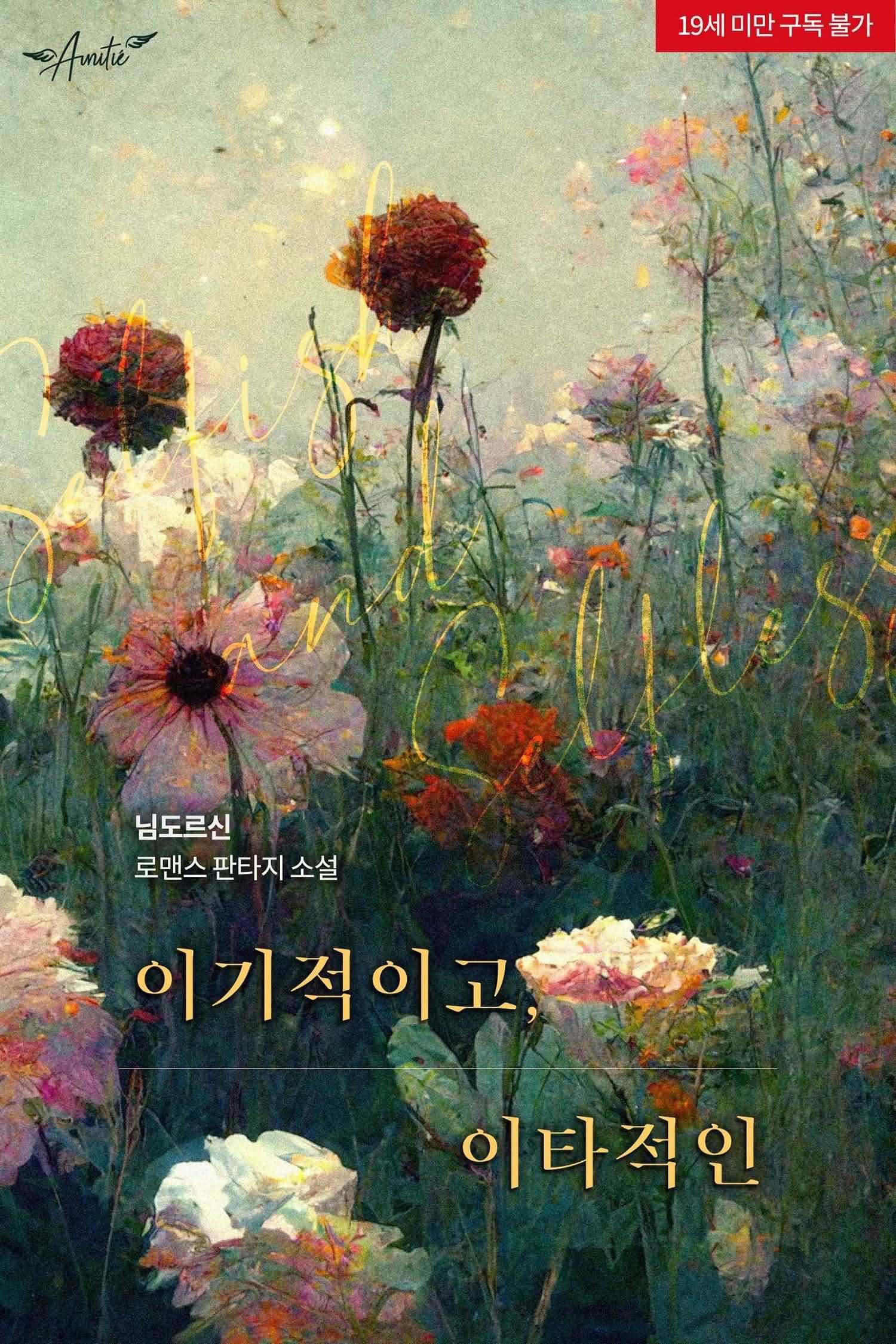
There's this one image that's been stuck in my head since I finished this and I can't shake it. Fiona standing at the office window looking down at the garden table where her sister and Lennox used to always sit. That place is empty now.
The author doesn't even dwell on it for long—just a beat, a glance, and then Fiona crosses her arms and tells herself it's better this way—but the visual is SO clean. A garden table. A empty chair where someone important used to be. Afternoon light, presumably, because everything in this story feels golden and sad at the same time.
And then later, the mansion. Marienne and Lennox's new home, described as peaceful and secluded, with wind coming through windows mixed with the smell of grass. Fiona visiting there, bringing water to her sick sister, the blanket pulled up to Marienne's chin. There's something almost domestic about these scenes—the teacups, the bedroom visits, the way Marienne calls out "Sissterrr" in a listless voice. It's domestic bliss, but viewed through the wrong person's eyes.
The castle itself feels like a character. Fiona's office, the corridor where she walks and stops and sighs, the garden where the three of them used to gather. These are spaces that hold memory. The castle was the stage for their trio before the marriage—every visit, every conversation, every accidental encounter. Now it's just Fiona alone in it, and the mansion across the way is where the actual story is happening.
I keep thinking about how the author uses physical distance as emotional metaphor. Fiona moves them to a mansion so she doesn't have to watch them live happily under the same roof. Physical separation as self-preservation. But of course she can't stay away. The carriage shows up anyway.